Fine art’s market value
Why are original artworks so interesting for investors? Beside increasing in value, art can be used as collateral. What are the requirements and considerations? What are the characteristics of fine art that makes it a viable alternative security? Let’s analyze the appreciation of art in the course of time, because collecting and owning it can be compared to the stock market. When we examine the value of art in the context of current national and international economy, we draw lessons from the power of art in former economies and project what this may mean for the future. As a reader of Forbes you know what “market values” are. When wars or revolutions…
AmbarAzulArt Posts
Unveiling the Transcendent Beauty: Malevich and the Russian Avant-Garde
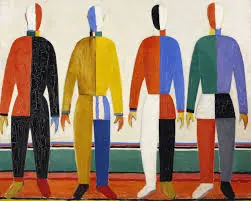
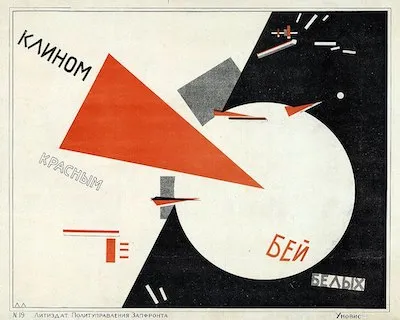
Unveiling the Transcendent Beauty Introduction:Entering the realm of Kazimir Malevich and the Russian Avant-Garde is akin to embarking on a spiritual odyssey of artistic revelation. As an impassioned collector deeply enamored by Malevich’s oeuvre, one finds oneself irresistibly drawn to the ineffable allure and profound philosophical depths that characterize each stroke of his brush. In this essay, the narrative unfolds from the perspective of an ardent collector, eager to convey the enrapturing essence of Malevich’s graphic works, offering glimpses into the transcendent beauty that continues to captivate collectors and aficionados worldwide. The Russian Avant-Garde Movement:For those enthralled by the enigmatic allure of Malevich’s creations, the Russian Avant-Garde movement stands as…
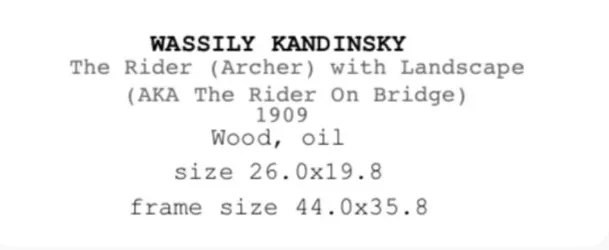
Why is Wassily Kandinsky “The Rider” (1909) an important work?
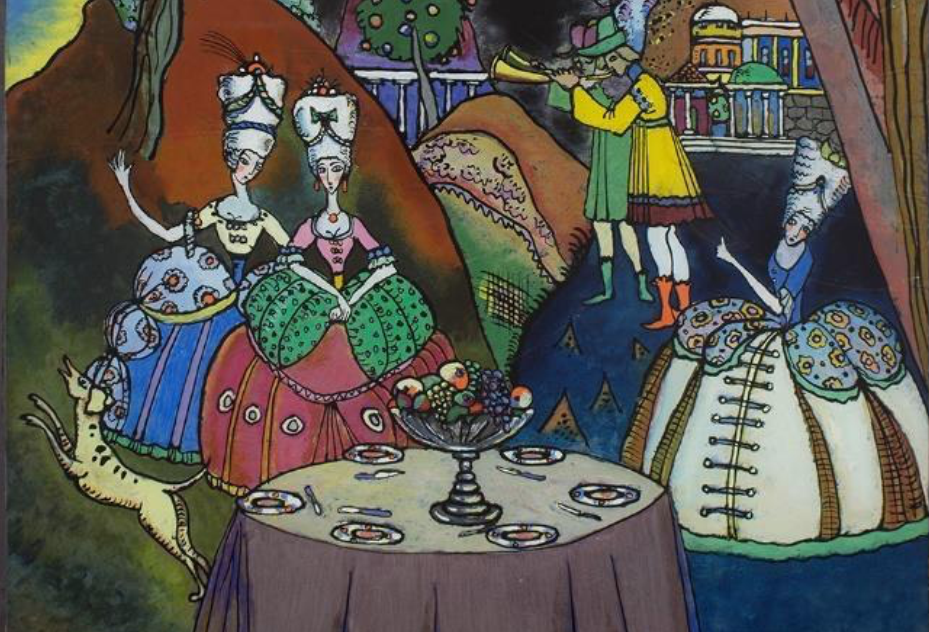
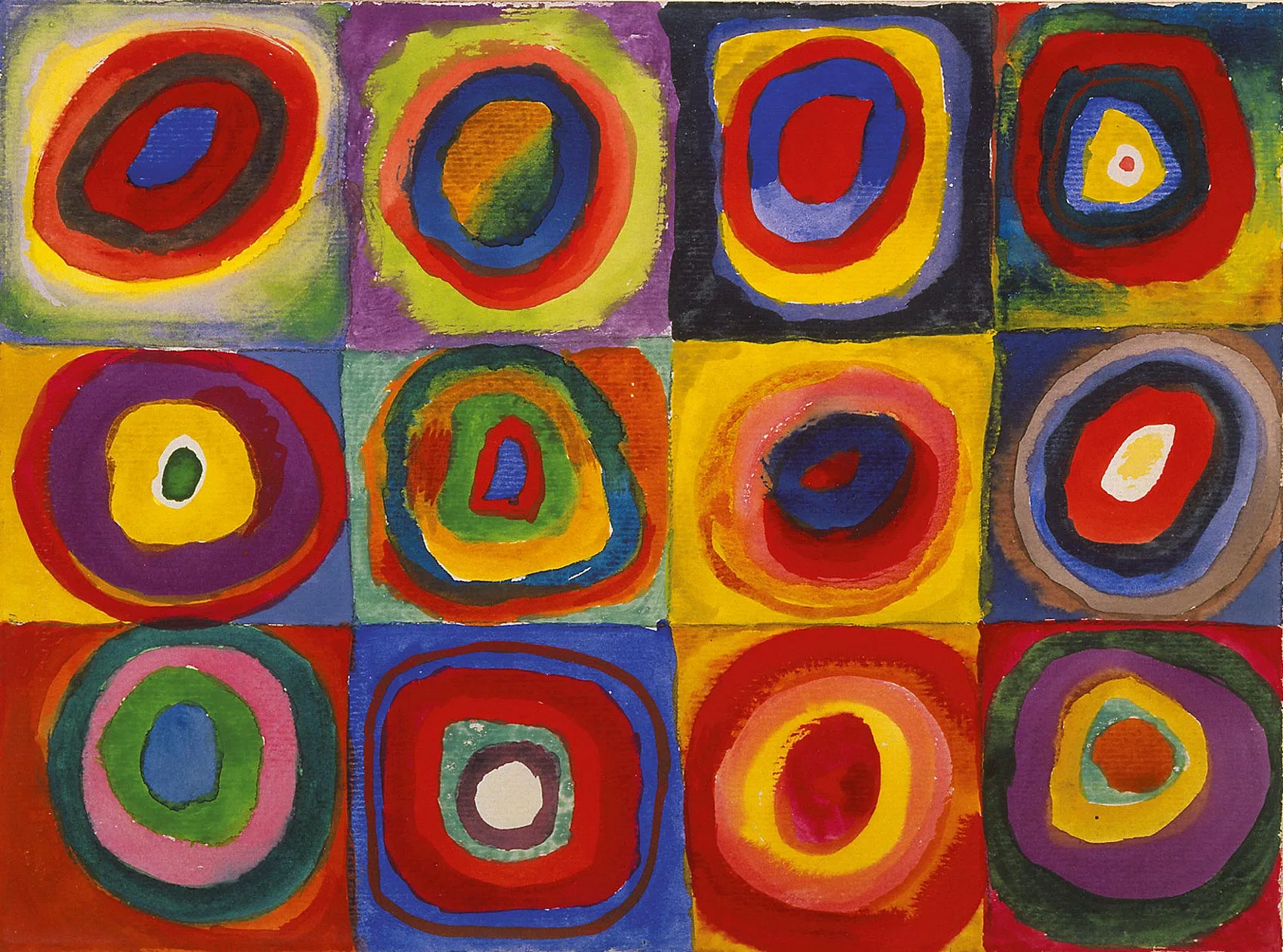
Why is Wassily Kandinsky “The Rider” (1909) an important work? Around 1910, Kandinsky’s artistic style began to shift significantly towards abstraction. In 1910, he completed his first truly abstract watercolor, marking a pivotal moment in his career. This period also saw the publication of his influential book “Concerning the Spiritual in Art” in 1910, where he explored the spiritual dimensions of art and its connection to music. Kandinsky’s notable works from this era include “Composition I” (1910), which was unfortunately destroyed during World War II. His paintings increasingly emphasized emotion through color and form, moving away from traditional representation. In 1911, he co-founded the influential group Der Blaue Reiter, further…
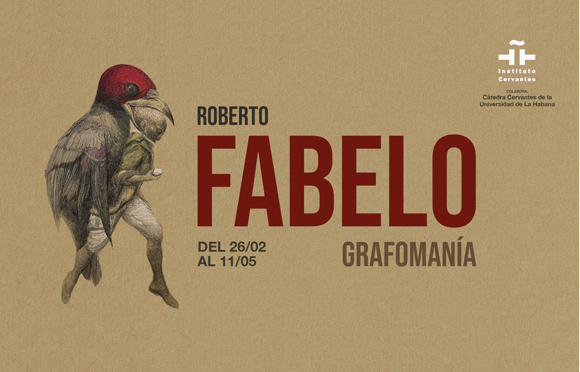
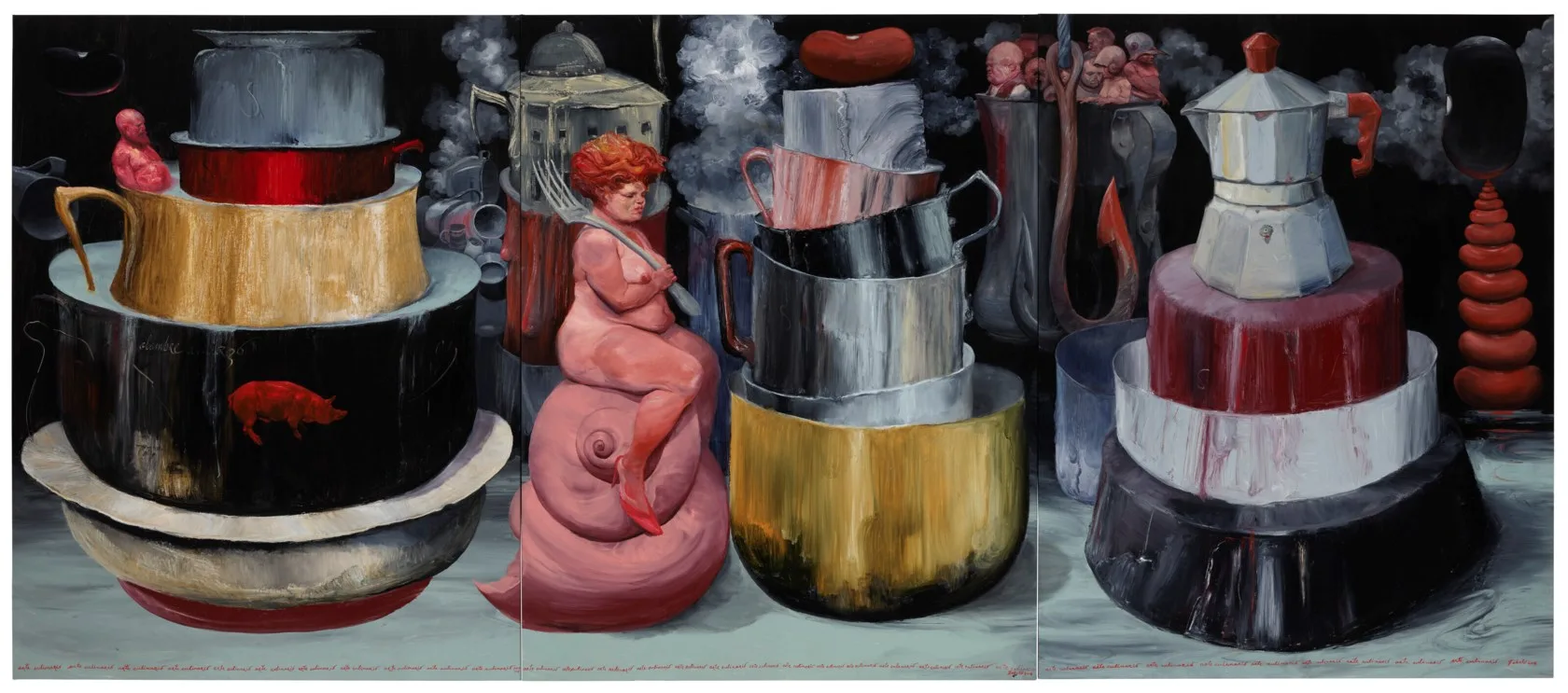
The Instituto Cervantes exhibits a selection of works by Roberto Fabelo
Until May 11, the Instituto Cervantes in Madrid (Calle Alcalá, 49) is exhibiting Fabelo. Grafomanía, a selection of works by Roberto Fabelo, a Cuban artist who works in diverse languages such as painting, sculpture, and illustration, in its exhibition hall. Free admission until full capacity is reached. 144 drawings made on various surfaces, six paintings, and one sculpture constitute a journey through works of different formats, selected by curator Mario José Hernández, from strange and dreamlike images that combine elements of reality and fantasy with meticulous attention to detail in a symbolic interpretation. Using vibrant colors and intricate compositions in his paintings, drawings, and sculptures, he often depicts fantastic creatures,…
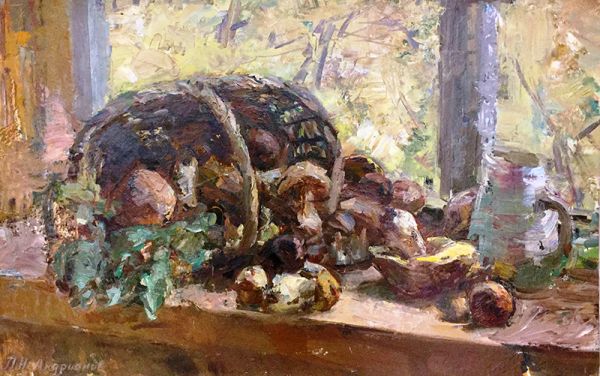
Piotr Adrianov – Who was he?
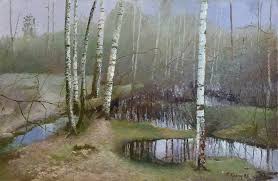
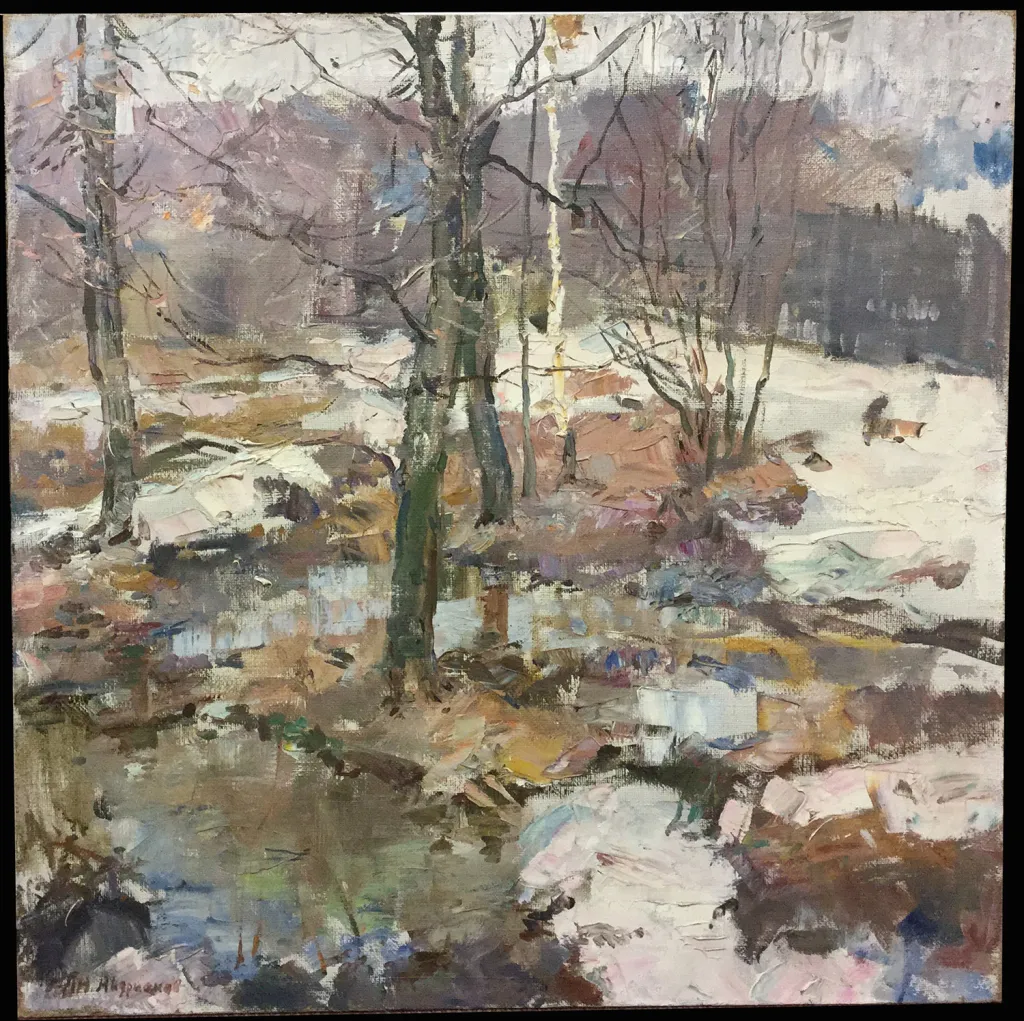
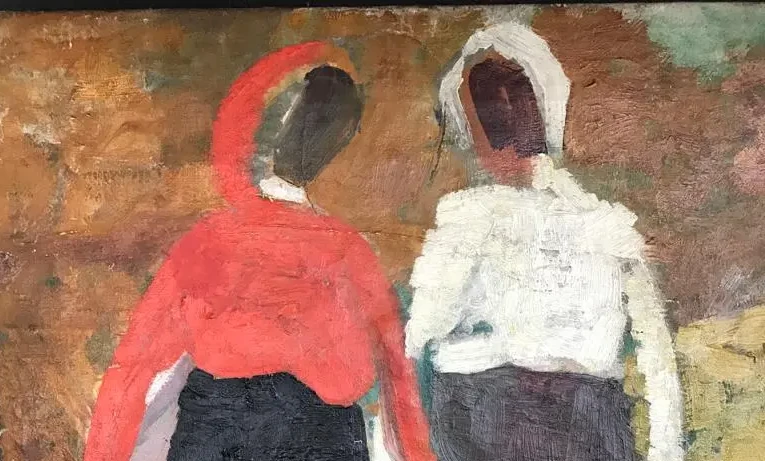
Piotr Andrianov’s artistic journey was marked by a deep connection to nature and a commitment to portraying the beauty of the world around him. His paintings often captured serene landscapes, rural scenes, and intimate moments of everyday life with a sense of tranquility and harmony. Despite the political climate of his time, Andrianov chose to focus on timeless themes rather than overtly political subjects, reflecting his personal values and artistic integrity. Throughout his career, Andrianov’s work evolved, showcasing a mastery of light, color, and composition that drew viewers into his peaceful and contemplative scenes. His dedication to capturing the essence of nature and human experience resonated with audiences, earning him…
The Rooster – Roberto Fabelo
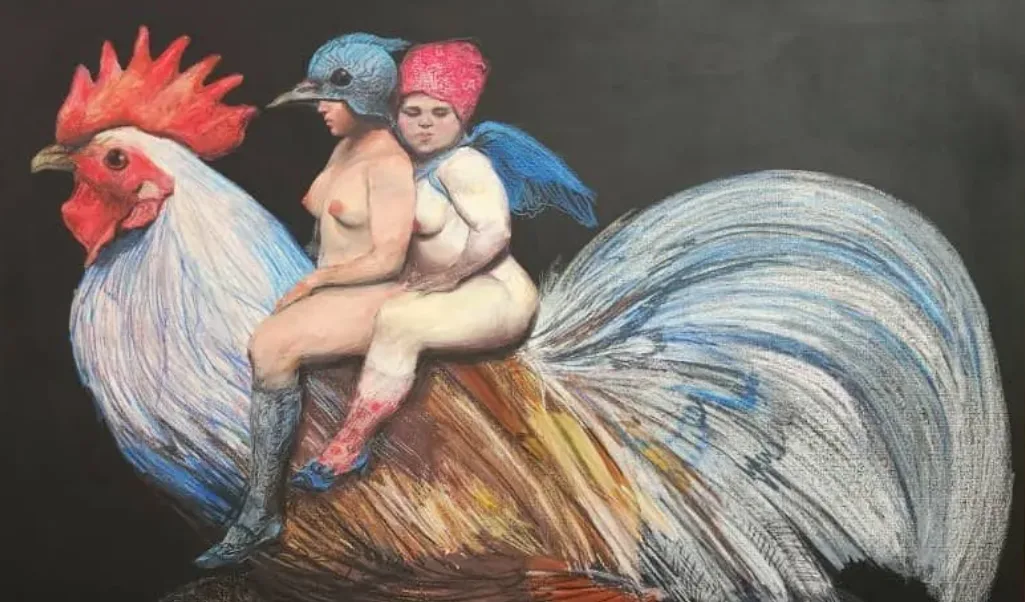
The rich imagination of Cuban artist Roberto Fabelo is brilliantly expressed in this large canvas, featuring one of his totemic animals, the rooster. In this painting titled “De madrugada al rocío” (2009), two children ride a huge rooster whose colorful plumage shines against an intensely lit cobalt blue sky. Other birds flutter around them in the magical hour of dawn, alluding to the title. At their feet, dreamlike vegetation shines as well. This artwork is in line with Fabelo’s other works, especially his famous “Viaje Fantástico” (2012), where a woman also migrates on a rooster. The play of scales, vivid palette, expressive charge, and surrealist legacy are combined in this…
Forgeries of Modligiani
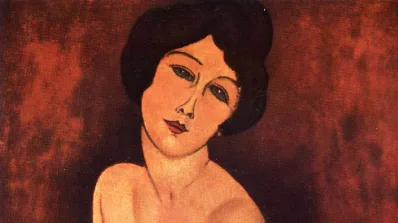
Amedeo Modigliani, renowned for his distinctive and emotive portraits, faces an escalating issue with art forgeries, which threatens to undermine the integrity of his artistic legacy. The problem is set to worsen as new technologies and an influx of amateur art dealers enter the market, complicating the authentication process. Modigliani’s unique style, characterized by elongated figures and expressive faces, has made his work a prime target for forgers. The high market value of his paintings, which can fetch millions at auction, provides a strong financial incentive for counterfeiting. This has led to a proliferation of forgeries that circulate in the art market, deceiving even experienced dealers and collectors. For instance,…
Peredwishniki Movement: Realism and Social Commentary
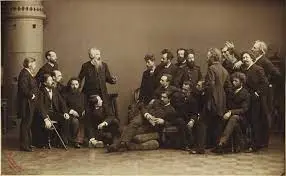
The Russian art of the second half of the 19th century was marked by critical democratic and social realism. In 1870, the cooperative was established for “Peredwishniki” (Wanderer) exhibitions, which led to the prominence of realism. The influence of “Peredwishniki” on society, art, and politics was significant. The innovations of artists from the late 1880s to the early 1890s further emphasized realism. The impressionism of the Moscow School became prominent and persisted despite socialist persecution until the end of the 20th century. From the 1890s, symbolism began to emerge in Russian art, exemplified by artists like Mikhail Wrubel, acquiring a national character. The main characteristics of the Peredvizhniki movement included…