Mummy Pigment Secrets
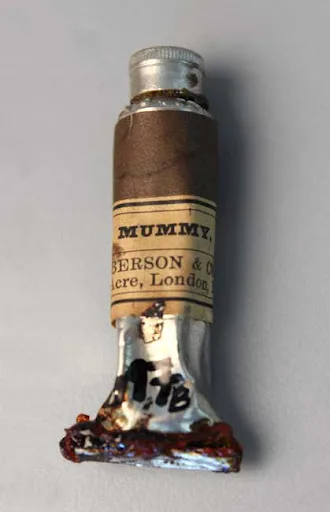
Ever wonder about ancient paints? Mummy pigment hides a wild story. It comes from mummies. Yes, real ones. Let’s dive in. This pigment shaped art history. Artists loved its rich color. But where did it start? We’ll explore that next.
What Is Mummy Pigment?
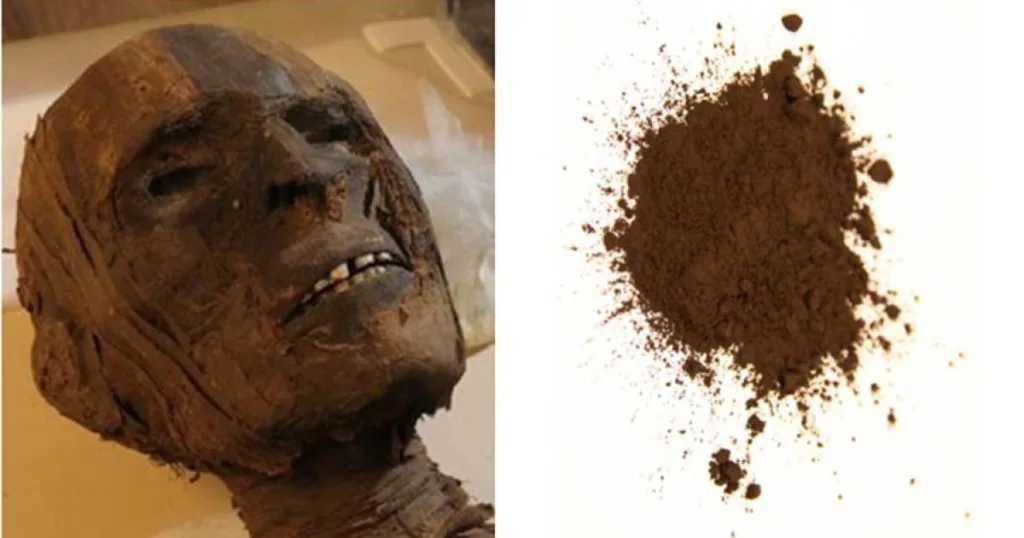
Mummy pigment means a brown paint. It derives from ground-up mummies. Mostly Egyptian ones. But not always. Artists ground the remains into powder. Then they mixed it with oil. This created a deep, warm brown. For example, think of old masterpieces. That earthy tone? Often mummy pigment. It lasted for centuries. However, sources varied. Some used animal mummies. Others picked human ones. Quality differed a lot. Why call it “mummy”? The word links to preserved bodies. Simple as that. Now, let’s see its rise.
Europeans’ Wild Mummy Obsession
Picture Renaissance Europe. Painters sought the best browns. But Europeans went crazy for Egyptian mummies. They imagined ancient magic in those preserved bodies. Mummy pigment stood out. It had a unique glow. Europeans believed Egyptian mummies held superhuman power. First, apothecaries sold it. They imported mummies from Egypt. Demand grew fast. Then, artists like Jan van Eyck used it. Or so experts think. Records show purchases. Moreover, it blended well. Unlike other pigments, it stayed vibrant. Fade? Not this one. But trade boomed in the 16th century. Ships brought mummies by the ton. Prices dropped. For instance, one London shop sold 500 pounds in a year. Crazy, right? Art needed it.
The Color Magic
Mummy pigment shines in flesh tones. It gives skin a lifelike warmth. Perfect for portraits. Also, it layers beautifully. Add glazes on top. Depth appears instantly. However, not all batches matched. Some turned greenish. Others stayed true brown. Artists tested first. They mixed small amounts. Then scaled up for big canvases. Today, we analyze old paintings. X-rays reveal the pigment. It confirms the history.
When Egypt Ran Dry: Fresh Bodies Used
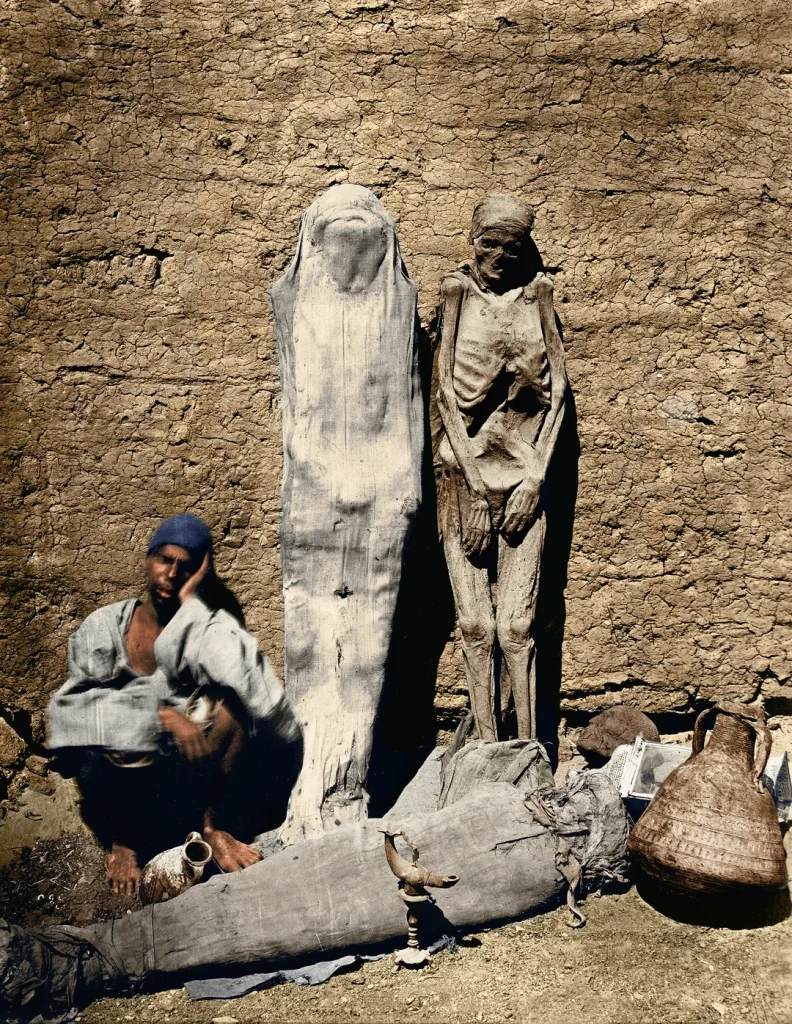
Harvesting mummies got grim. Grave robbers dug up tombs. They sold bodies for profit. But Europeans’ weird obsession outstripped supply. Egypt’s ancient mummies ran out fast. So, they turned desperate. Europeans started using recent dead bodies. Yes, freshly buried Europeans got ground up. Grave robbers supplied them too. For example, “Cape Lapis” came from South Africa. Not real mummies. But labeled as such. Then, quality crashed. Pigment flaked off paintings. Artists grew wary. Moreover, ethics kicked in. People questioned the desecration. Protests rose. By the 1800s, bans hit. Trade slowed down. Synthetic browns took over.
Shift to Modern Alternatives
Science stepped in. Chemists made bitumen paints. They mimicked the look. Also, raw umber worked well. Cheaper and cleaner. No bodies needed. However, purists missed the original. That subtle sheen? Hard to copy. Now, museums restore art. They avoid mummy pigment. Synthetics rule instead. But traces linger. Old works still hold the real stuff. A spooky legacy.
Europeans Ate Mummies: Medicinal Madness
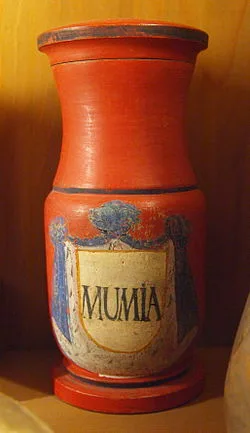
Shift gears now. Mummy powder served health too. Europeans especially obsessed over it. They imagined Egyptian mummies cured everything. People ate it. Yes, really. Called “mumia,” it promised cures. Ground mummy flesh or resin. Taken as powder. For example, kings swore by it. Louis XIV used it for headaches. Royals loved tonics. However, origins trace to Persia. There, it healed wounds first. Then Europeans twisted it into magic. Let’s unpack its medicinal pull. It saved lives? Or just hype?
Ancient Roots Meet European Fantasy
In Egypt, mummies used bitumen. It preserved bodies well. Healers noticed. Then, Greeks tried it. Galen wrote about “mummia.” He praised its powers. Moreover, Arabs refined it. Avicenna listed recipes. Powder for epilepsy. But medieval Europe grabbed on hard. They invented wild powers for Egyptian mummy. Apothecaries stocked it. Demand soared. For instance, one recipe mixed it with wine. Drink for bruises. Simple fix.
Why Europeans Believed the Myths
Mumia looked like blood. Dark and sticky. That inspired trust. Europeans saw Egyptian magic everywhere. Also, it stopped bleeding. Applied to cuts, it clotted fast. Real effect. However, placebo played a role. Faith healed many. Science later proved less. Then, stories spread. A soldier survived a stab wound. Thanks to mumia. Moreover, it treated strokes. Powder in hot water. Drink twice daily. Placebo or not, users felt better. Word of mouth fueled the craze.
Recipes and Real Uses
Healers made pills. Mix mummy with myrrh. Swallow for pain. Or make a salve. Blend with honey. Rub on sores. For example, Paracelsus pushed it hard. He called it a wonder drug. Students followed. Also, it fought poison. Swallow after snake bite. Or so they claimed. However, doses varied. Too much caused sickness. Balance mattered. Plague times saw spikes. People desperate for cures. Mumia sold out.
Royalty Swallowed the Fantasy
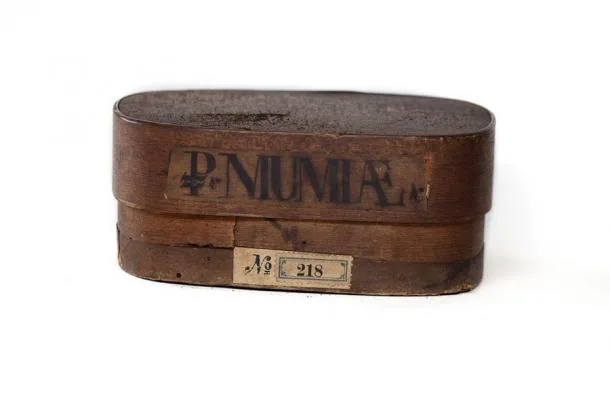
Queens took it for beauty. Smooth skin promised. Powder in creams. Kings used it for vigor. Erectile woes? Mumia to the rescue. For instance, Queen Elizabeth I stocked it. Her court doctored with it. Then, Pope John XXII blessed it. Church approved. Sales exploded. Moreover, rich Europeans bought pure stuff. Poor got fakes. Inequality hit medicine too. But scandals emerged. Tests showed dirt, not mummy. Trust eroded.
Science Debunks the Myths
Enter the 1700s. Doctors tested it. No magic found. Also, toxins appeared. Lead in some batches. Harm outdid help. However, asphalt had tar. It soothed guts sometimes. Partial truth. Then, Enlightenment killed it. Rational thought won. Synthetics rose. For example, iron filings replaced it. Safer for blood issues. Now, we laugh at it. But it shaped pharmacology. Lessons learned.
Modern Views on Mummy Powder
Today, no one eats it. Ethics ban it. Laws protect remains. But echoes stay. “Mummy” in some drug names. Old habits die hard. Moreover, forensics studies it. How did it preserve? Science probes. For art lovers, it’s pigment history. For healers, a quirky tale. However, warnings linger. Don’t try home versions. Dangerous fakes exist.
Cultural Impact Today
Museums display mummy art. Pigment under glass. Stories told. Also, books dive deep. “The Mummy Congress” explores it all. Then, pop culture nods. Movies joke about eating mummies. Fun twist. Moreover, genealogy fans link in. Your ancestors? Maybe used it. For expats like me, it’s travel lore. Egypt trips spark chats. But respect matters. Tombs stay sealed now. Honor the past.
Final Thoughts on This Odd History
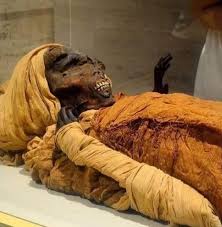
Mummy pigment painted beauty. Powder promised health. Both wild rides. Europeans dreamed up crazy powers. We moved on. Better options exist. Science guides us. Yet, the tale fascinates. Humans chase the strange. Always will. Next time you see a warm brown in art, think mummy. Grin a bit. What a journey from tombs to canvases and tonics.