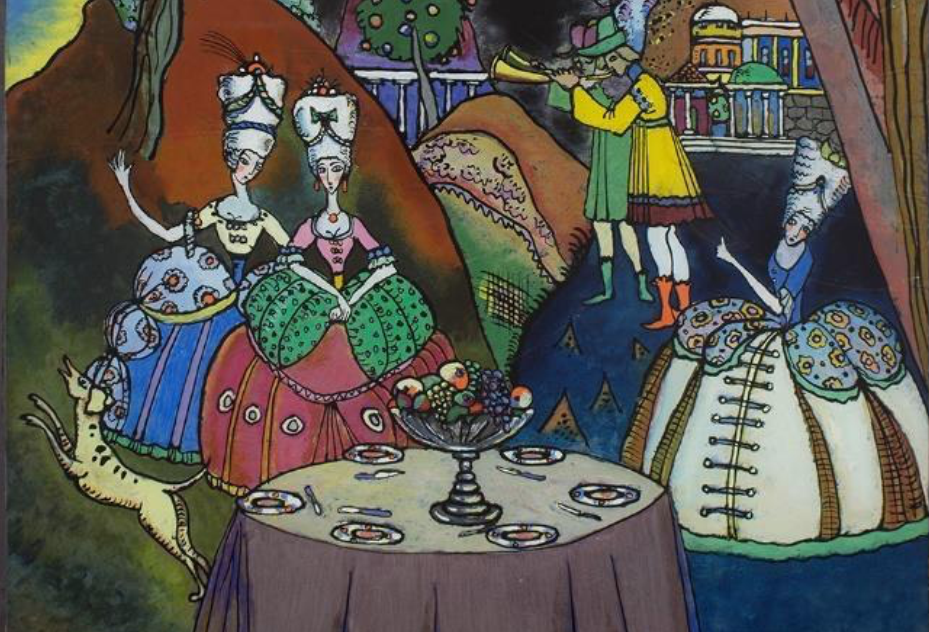
Why is Wassily Kandinsky “The Rider” (1909) an important work?
Why is Wassily Kandinsky “The Rider” (1909) an important work? Around 1910, Kandinsky’s artistic style began to shift significantly towards abstraction. In 1910, he completed his first truly abstract watercolor, marking a pivotal moment in his career. This period also saw the publication of his influential book “Concerning the Spiritual in Art” in 1910, where he explored the spiritual dimensions of art and its connection to music. Kandinsky’s notable works from this era include “Composition I” (1910), which was unfortunately destroyed during World War II. His paintings increasingly emphasized emotion through color and form, moving away from traditional representation. In 1911, he co-founded the influential group Der Blaue Reiter, further…
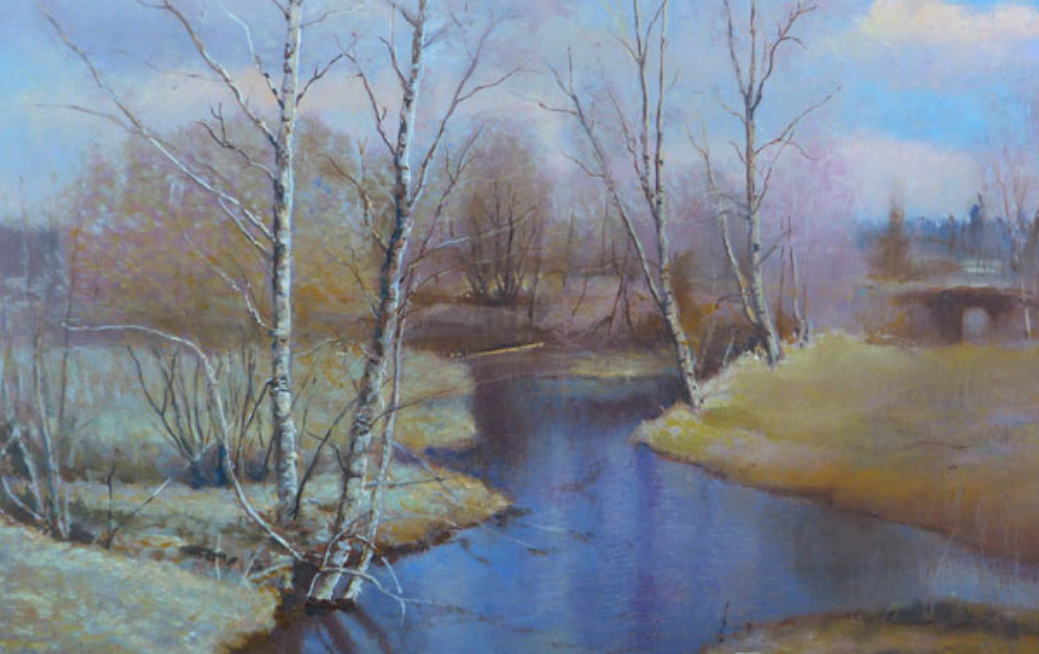
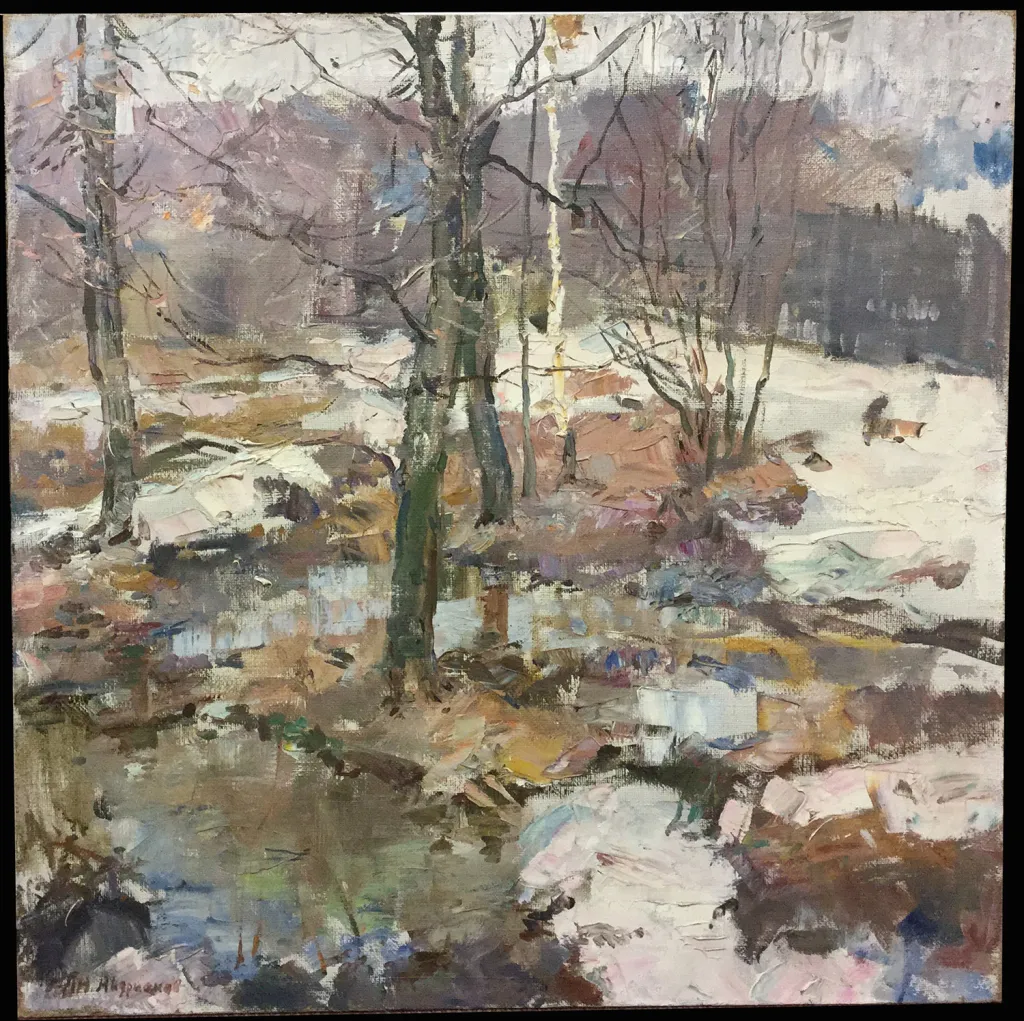
Piotr Adrianov – Who was he?
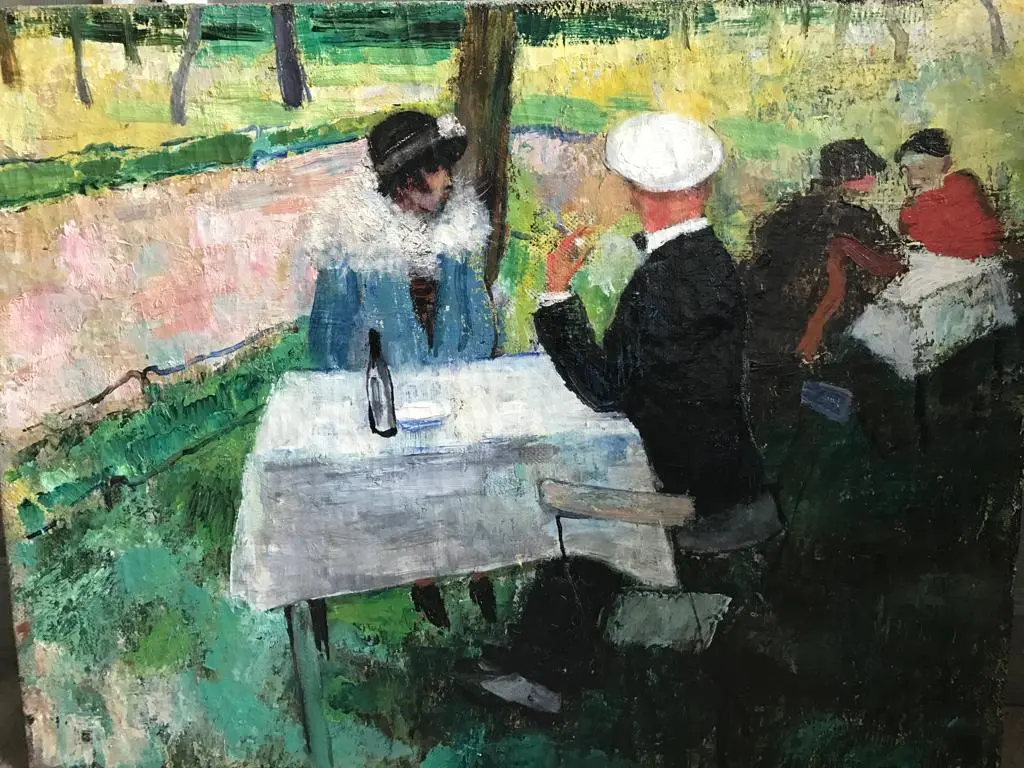
Piotr Andrianov’s artistic journey was marked by a deep connection to nature and a commitment to portraying the beauty of the world around him. His paintings often captured serene landscapes, rural scenes, and intimate moments of everyday life with a sense of tranquility and harmony. Despite the political climate of his time, Andrianov chose to focus on timeless themes rather than overtly political subjects, reflecting his personal values and artistic integrity. Throughout his career, Andrianov’s work evolved, showcasing a mastery of light, color, and composition that drew viewers into his peaceful and contemplative scenes. His dedication to capturing the essence of nature and human experience resonated with audiences, earning him…
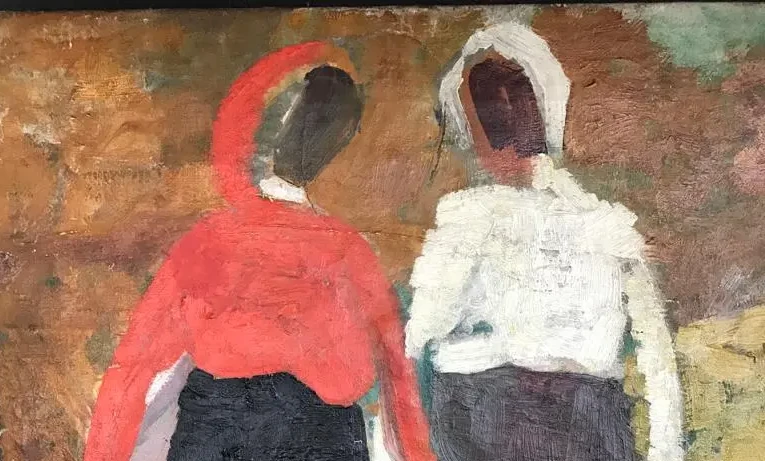
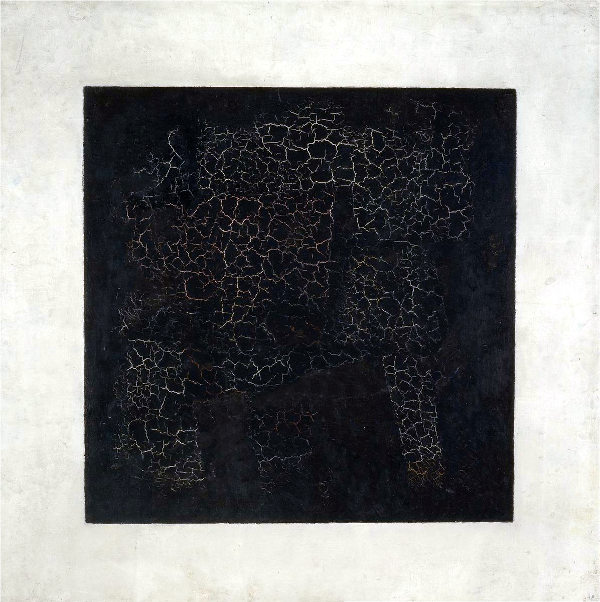
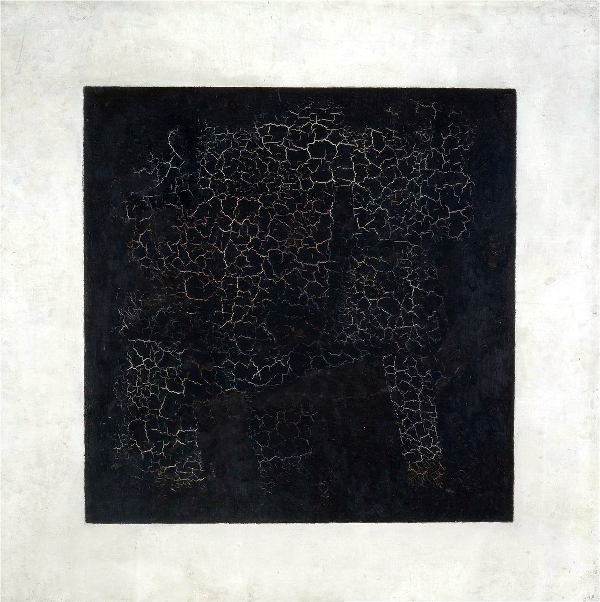
Why would Kazimir Malevich shift away from Suprematism after the 1920’s?
Kazimir Malevich’s evolving relationship with Suprematism in the post-1920s era was influenced by a variety of factors, reflecting a complex interplay of political, personal, and philosophical dynamics. Politically, the ascent of Joseph Stalin’s regime in Soviet Russia marked a significant shift in cultural policies, favoring Socialist Realism as the sanctioned artistic style. Suprematism’s abstract, non-representational approach clashed with the regime’s preference for art that served propagandistic purposes and depicted idealized Soviet themes. Consequently, Malevich encountered mounting challenges in showcasing and disseminating his Suprematist works within the state-controlled artistic milieu. However, Malevich’s relationship with Suprematism was not solely defined by external pressures. Internally, he experienced a gradual evolution of his artistic…
Russian Painters
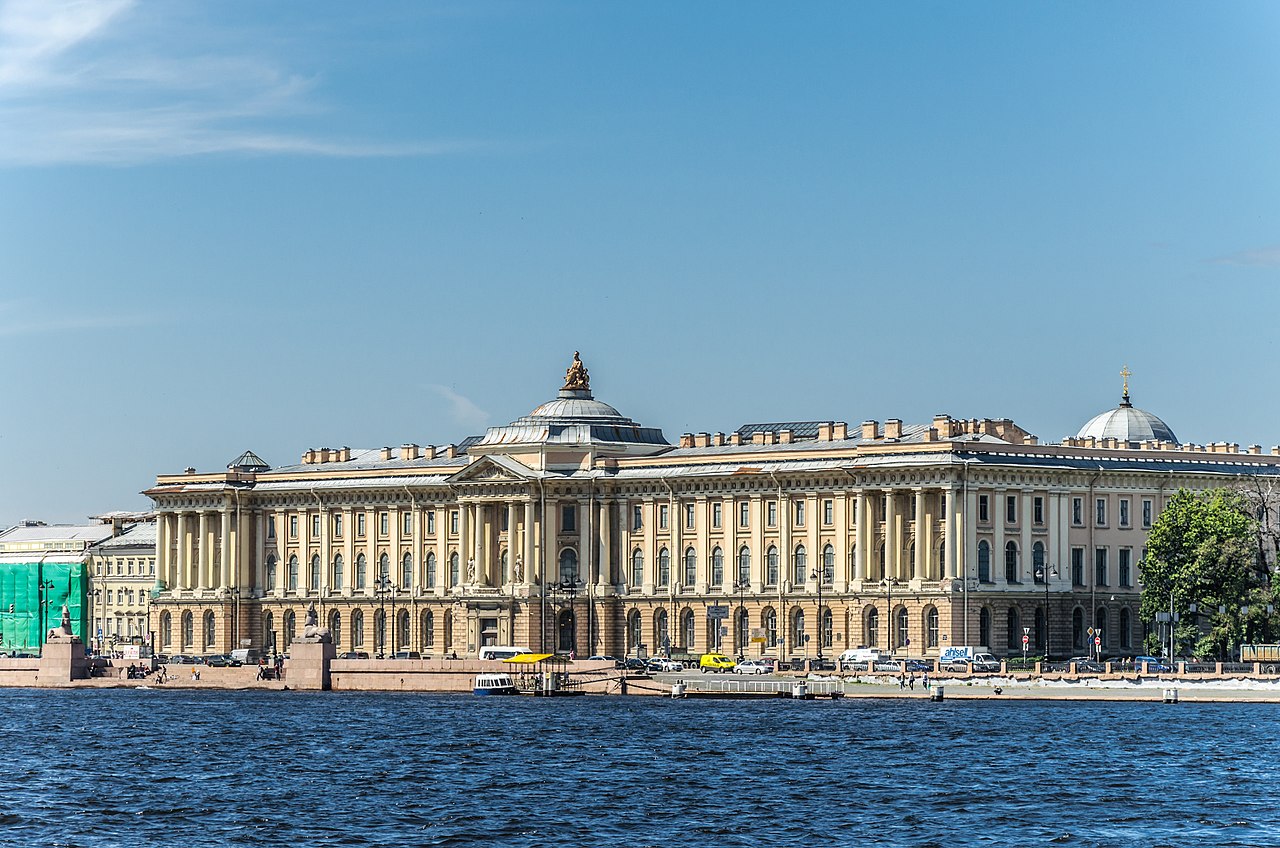
Moskow School of Painting The traditional Russian painting is one of the world’s most important schools of thought. Through generations, artists and artists’ ideas of teachers have been passed on to students. To this day, Russia produces outstanding works in technical perfection and with love for the subject. This generally acknowledged high quality of traditional Russian painting is all the more amazing considering the fact that icons were created exclusively in this country for more than 800 years. With the opening to the west at the time of Peter the Great, the timid transition from egg-tempered wood on wood to the oil painting on canvas took place in the first foremost…
Art Riddles Brake-a-Brush AmbarAzulArt #73