Unlock Stories in Every Collectible
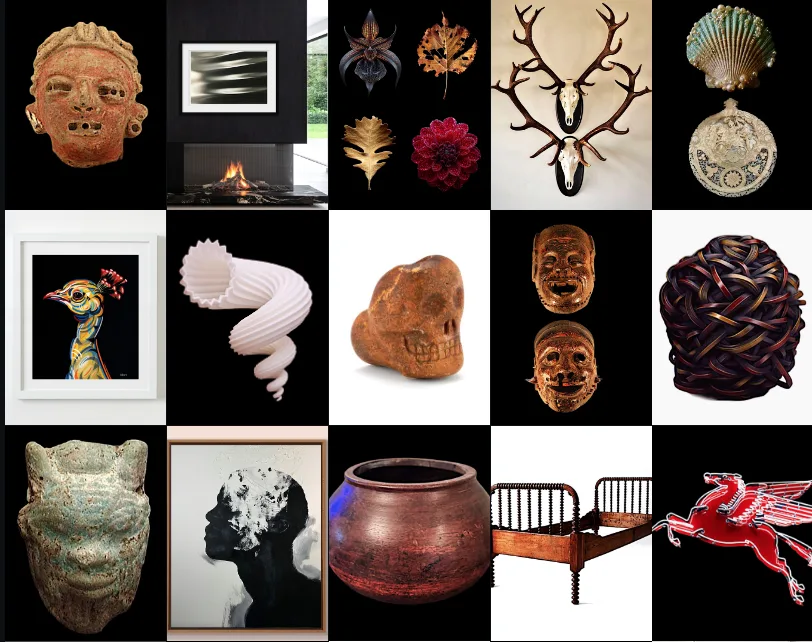
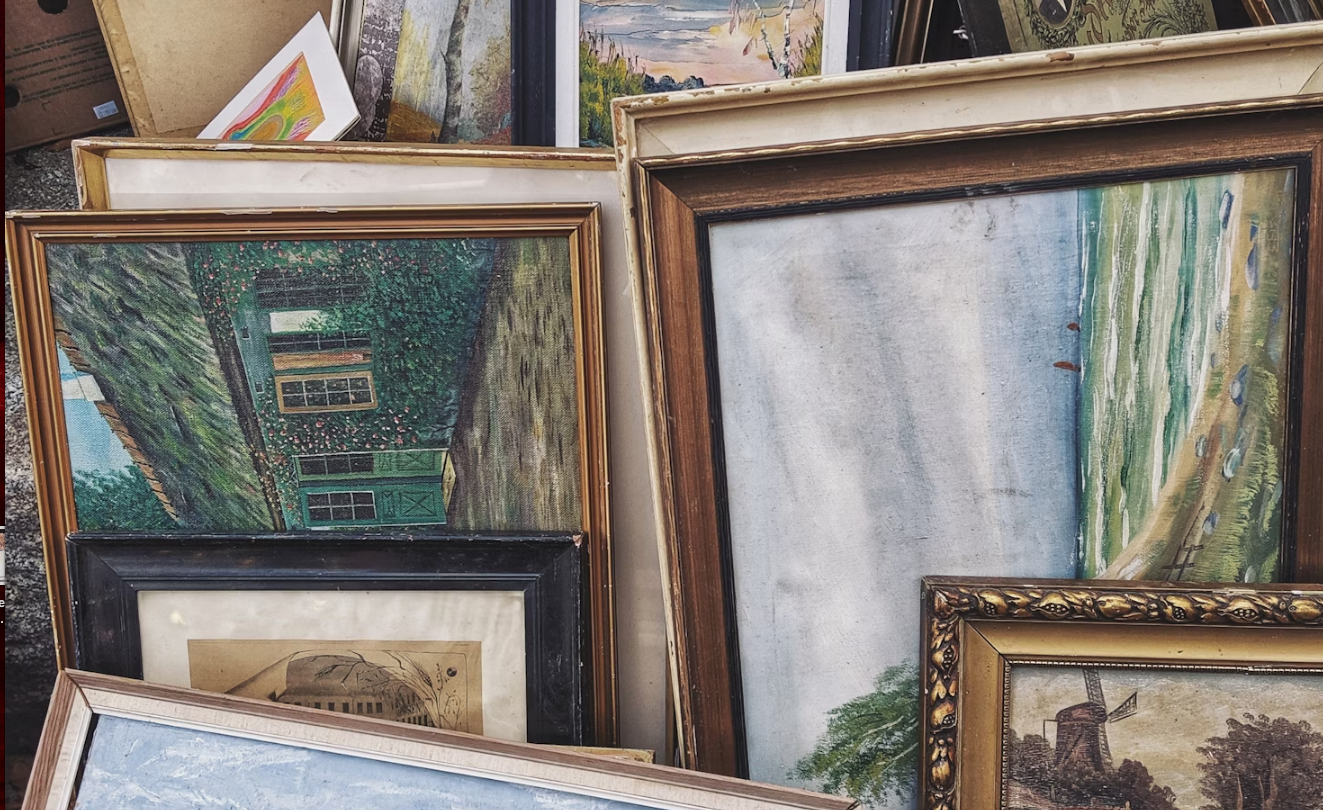
Collectibles spark joy. Nail chairs shine bold. Bronze Age gorgets whisper ancient tales. But true value needs care. Authenticate each piece. Tell its full story. Why? Fakes hit 20-30% in a $320 billion market. So smart moves win big. Let’s explore.iewresearch] Spot Risks Fast Buy a carved statue. Pay $50,000. Tests show fake wood. Value crashes to zero. Ouch. Provenance saves you. Track past owners. Test materials close. For example, X-rays find repairs. UV lights catch fresh paint. Our network verifies quick. Experts scan deep. Blockchain locks proof tight. Worry ends here. But fakes trick eyes. A 2025 report says 1 in 4 antiques fail tests. So skip guesses. Call…
How to Verify the Provenance of Russian Art
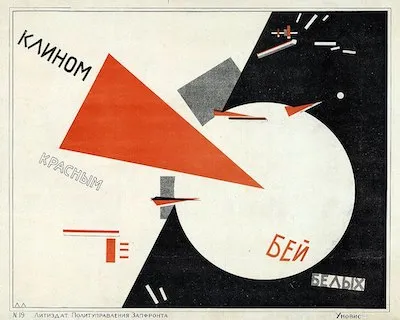
Due Diligence in a Market Rich with History—and Complexity The Russian art market is one of the most intriguing—and most carefully scrutinized—in the world. With masterpieces from artists like Malevich, Kandinsky, and Kljun commanding millions, provenance is not just a formality: it’s a necessity. So, how do seasoned collectors verify that a work is the real thing? 1. Start with Documentation, Not Assumptions A serious seller provides a chain of ownership. This includes previous auction records, gallery sales, exhibition catalogs, and references in scholarly publications. If the paperwork starts after 1990, be cautious—many fakes emerged during the Soviet art “rediscovery” wave. 2. Check for Expert Attributions and Catalogues Raisonnés Reputable…
Forgeries of Modligiani
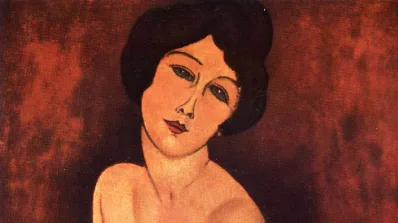
Amedeo Modigliani, renowned for his distinctive and emotive portraits, faces an escalating issue with art forgeries, which threatens to undermine the integrity of his artistic legacy. The problem is set to worsen as new technologies and an influx of amateur art dealers enter the market, complicating the authentication process. Modigliani’s unique style, characterized by elongated figures and expressive faces, has made his work a prime target for forgers. The high market value of his paintings, which can fetch millions at auction, provides a strong financial incentive for counterfeiting. This has led to a proliferation of forgeries that circulate in the art market, deceiving even experienced dealers and collectors. For instance,…