The Art Hustle: Why Success is Tough for New Painters
Becoming a successful painter these days? It’s a cool dream, but let’s be real, it’s also a pretty bumpy road. Lots of super talented visual artists find themselves scratching their heads, wondering why they’re not hitting it big. And nope, it’s not just about how well you can paint; it’s about navigating this wild, ever-changing world. Drowning in the Art Sea Imagine trying to swim in an ocean that’s already packed with a zillion other swimmers, all doing their thing. That’s pretty much what the art market looks like today. It’s totally saturated, with millions of artists all over the globe. So, it’s super hard for new artists to actually…
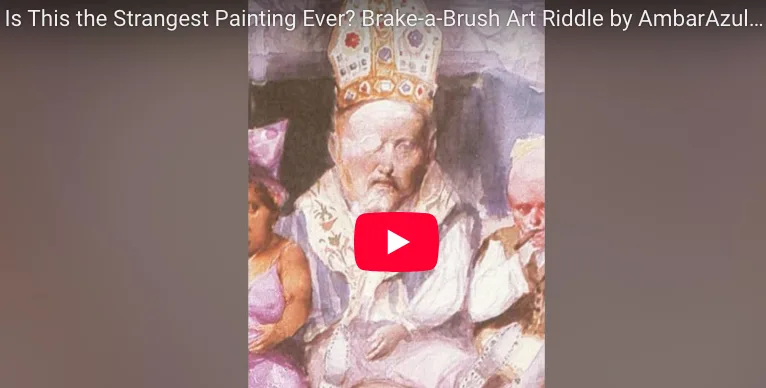
Roberto Fabelo – Who is he?
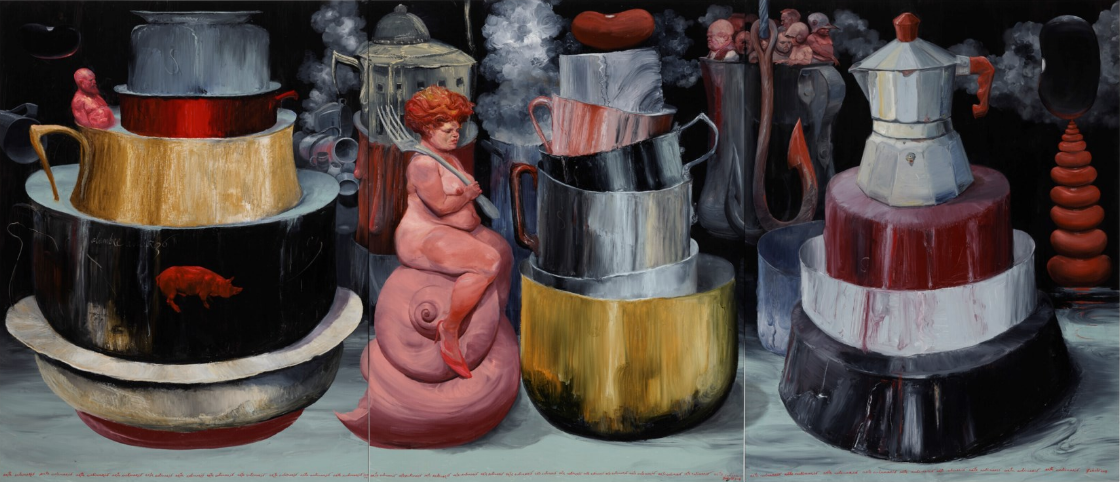
Roberto Fabelo, born on January 28, 1950, in Guáimaro, Cuba, discovered his love for drawing during his childhood in his hometown. He would often sketch on random pieces of paper, and his passion for drawing, which he refers to as “graphomania,” was ignited. Over time, what began as a simple pastime turned into a consuming vice, as Fabelo found solace in letting his imagination flow on paper using various artistic mediums such as pencil, charcoal, and ink. His sketches became a reflection of his creative expression and artistic talent. Who would have thought that Roberto Fabelo became a multi-talented artist who works as a painter, draftsman, and sculptor. He completed…
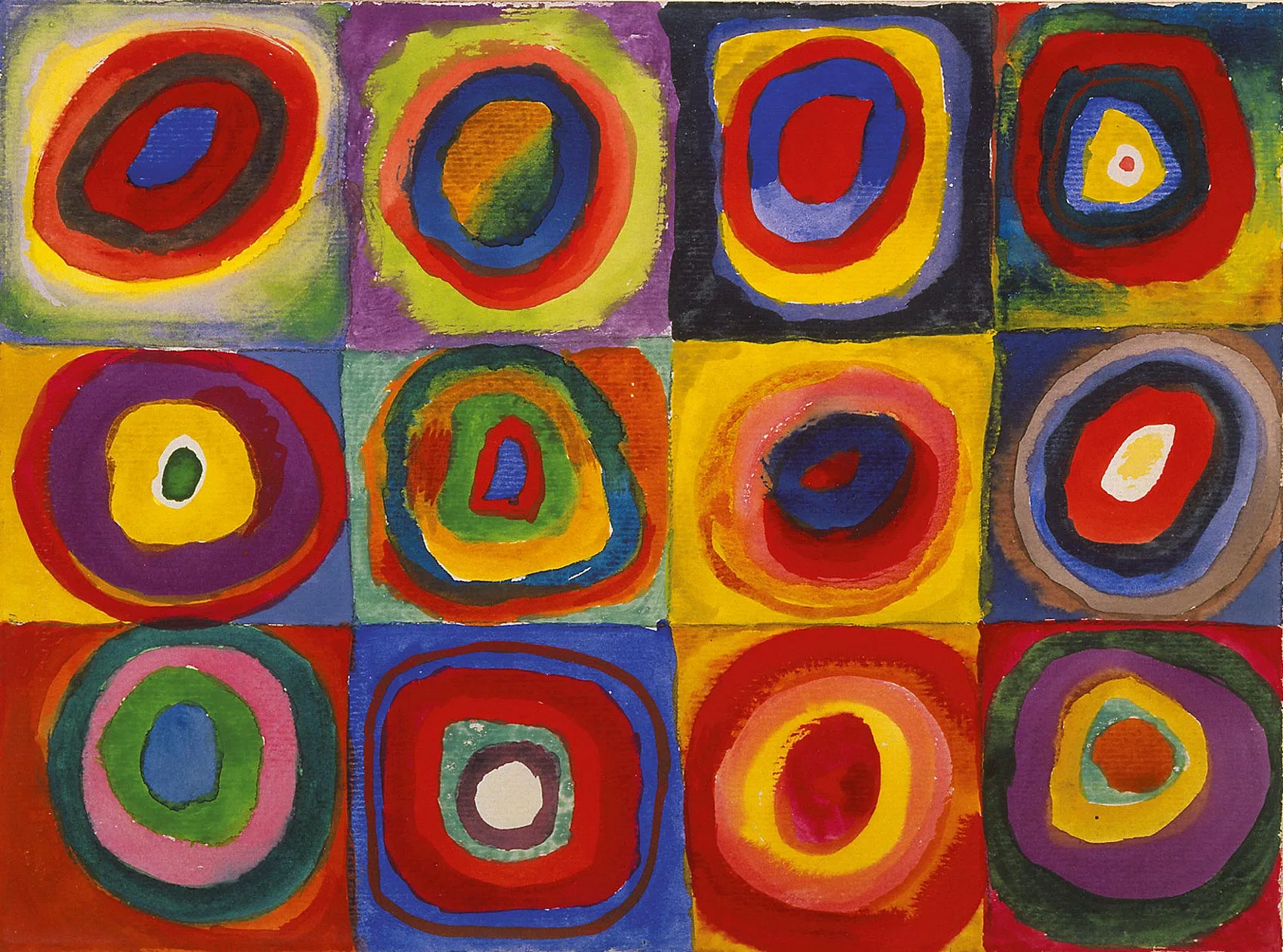
Wassily Kandinsky – Who was he?
Wassily Kandinsky, a trailblazer in the realm of abstract modern art, crafted paintings that intricately explored the interaction between color and form to evoke emotional responses and captivate audiences. He advocated for complete abstraction as a powerful vehicle for profound expression, steering away from direct depictions of the natural world. Kandinsky’s artistic progression unfolded through three distinct phases, moving from representational works to exuberant compositions and eventually to the creation of geometric and biomorphic flat surfaces adorned with vivid hues. Born in Moscow in 1866, Kandinsky’s formative years were enriched by exposure to diverse cultural influences, which significantly shaped his artistic perspective. His fascination with color and form was deeply…
Ivan Klyun (Kliun) – Who was he?
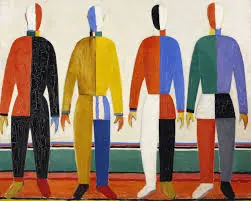
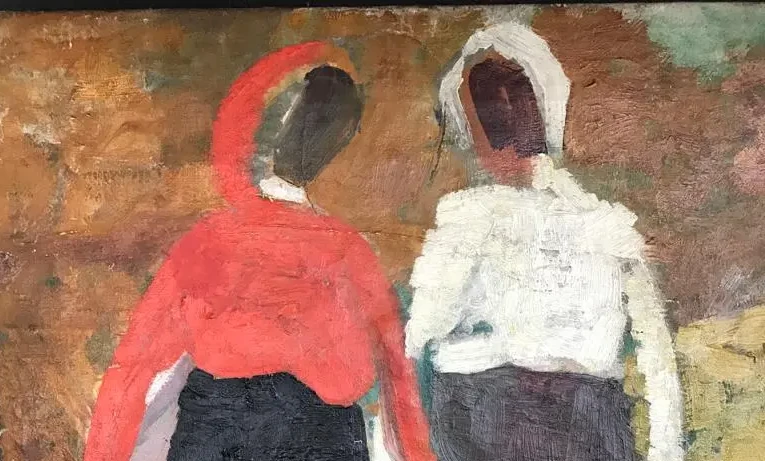
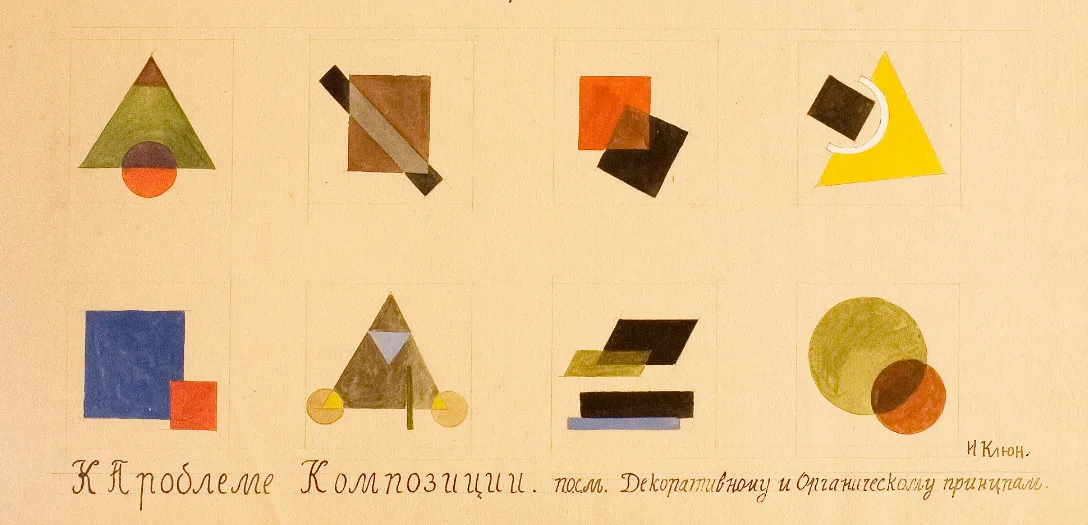
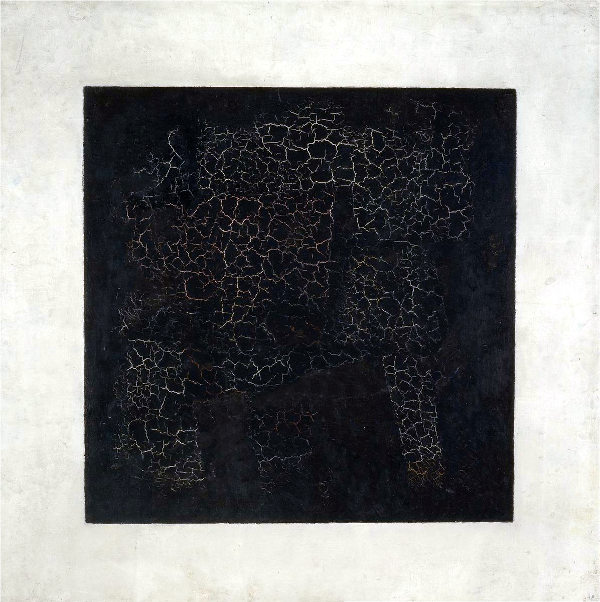
Imagine a bookkeeper with a secret passion – painting. That was Ivan Klyun (Ivan Vasilyevich Klyun – Klyunkov) , a talented Russian artist who wasn’t born with a silver spoon, but with a paintbrush in his soul. He honed his skills while balancing numbers, later studying with big names like Fyodor Rerberg. Klyun dabbled in different styles, from early influences like symbolism and Art Nouveau to the more geometric Cubism. But it was Suprematism, the movement that broke the mold with bold shapes and colors, that truly captured his imagination. He even joined forces with the movement’s founder, Kazimir Malevich, becoming a key player in the Suprematist world. Klyun’s journey…
Wassily Kandinsky and Gabrielle Münter
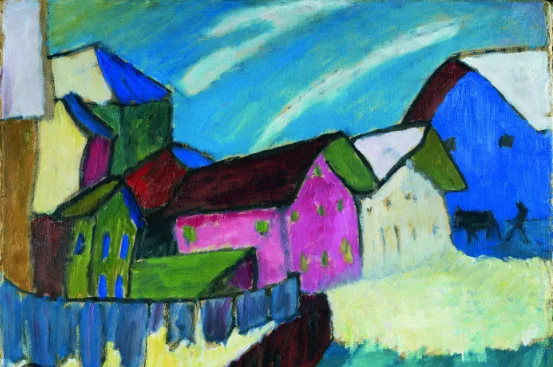
Wassily Kandinsky and Gabriele Münter’s love story is a captivating tale of art, passion, and creativity. Kandinsky, renowned as the father of abstractionism, found a kindred spirit in Münter, a talented German artist. Despite Kandinsky’s official marriages, his bond with Münter blossomed into a 12-year companionship marked by mutual artistic inspiration and deep affection. Münter’s artistic talent flourished alongside Kandinsky’s groundbreaking abstract art, with both artists influencing each other’s work. Their travels to various countries enriched their creative perspectives, fostering a period of artistic innovation and growth. Münter’s unique style, characterized by clear lines and simple structures, complemented Kandinsky’s evolving approach towards abstraction. Their journey together was not without challenges.…
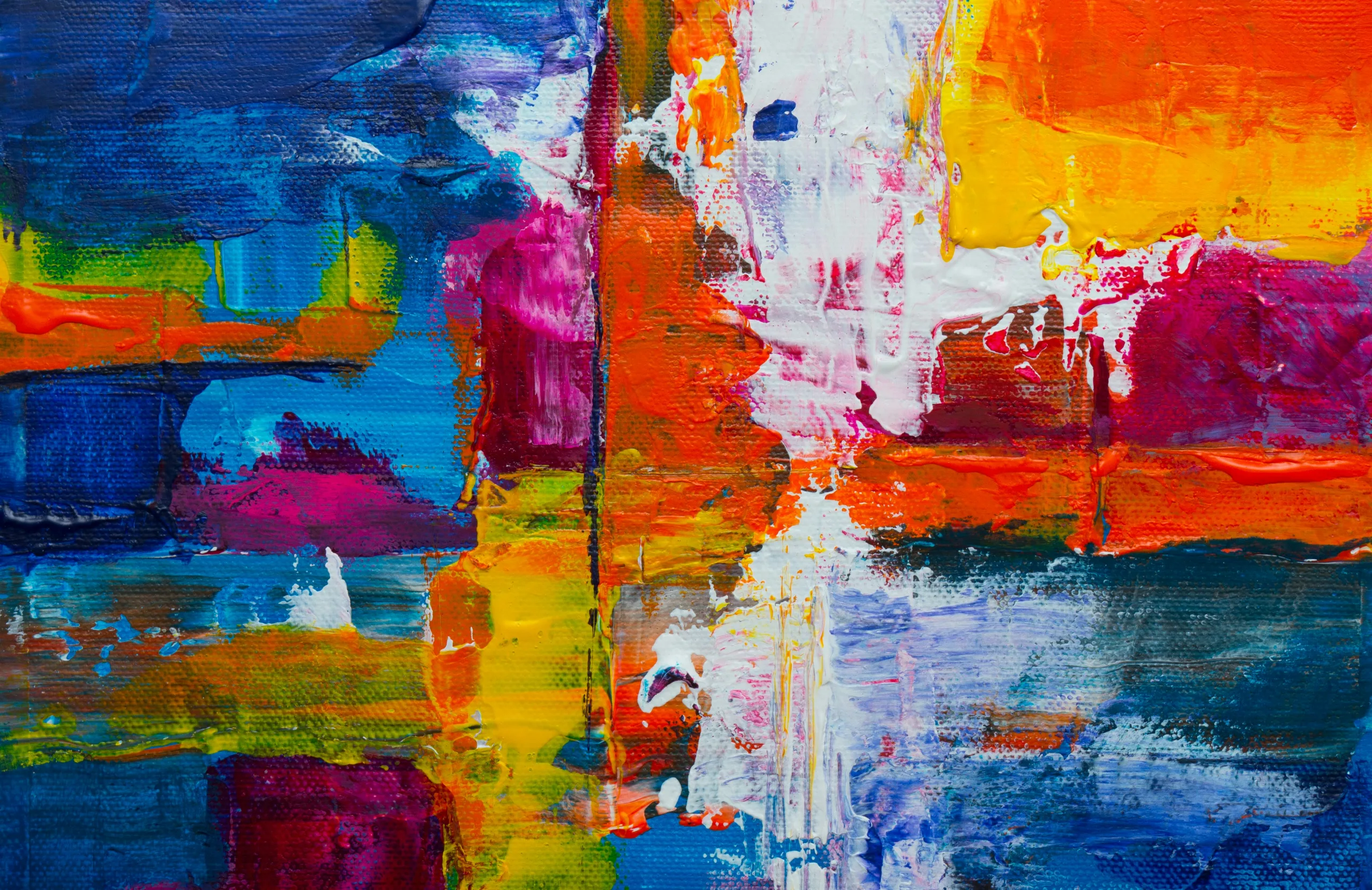
Juan Bravo – creating nebulas, galaxies, and unknown worlds
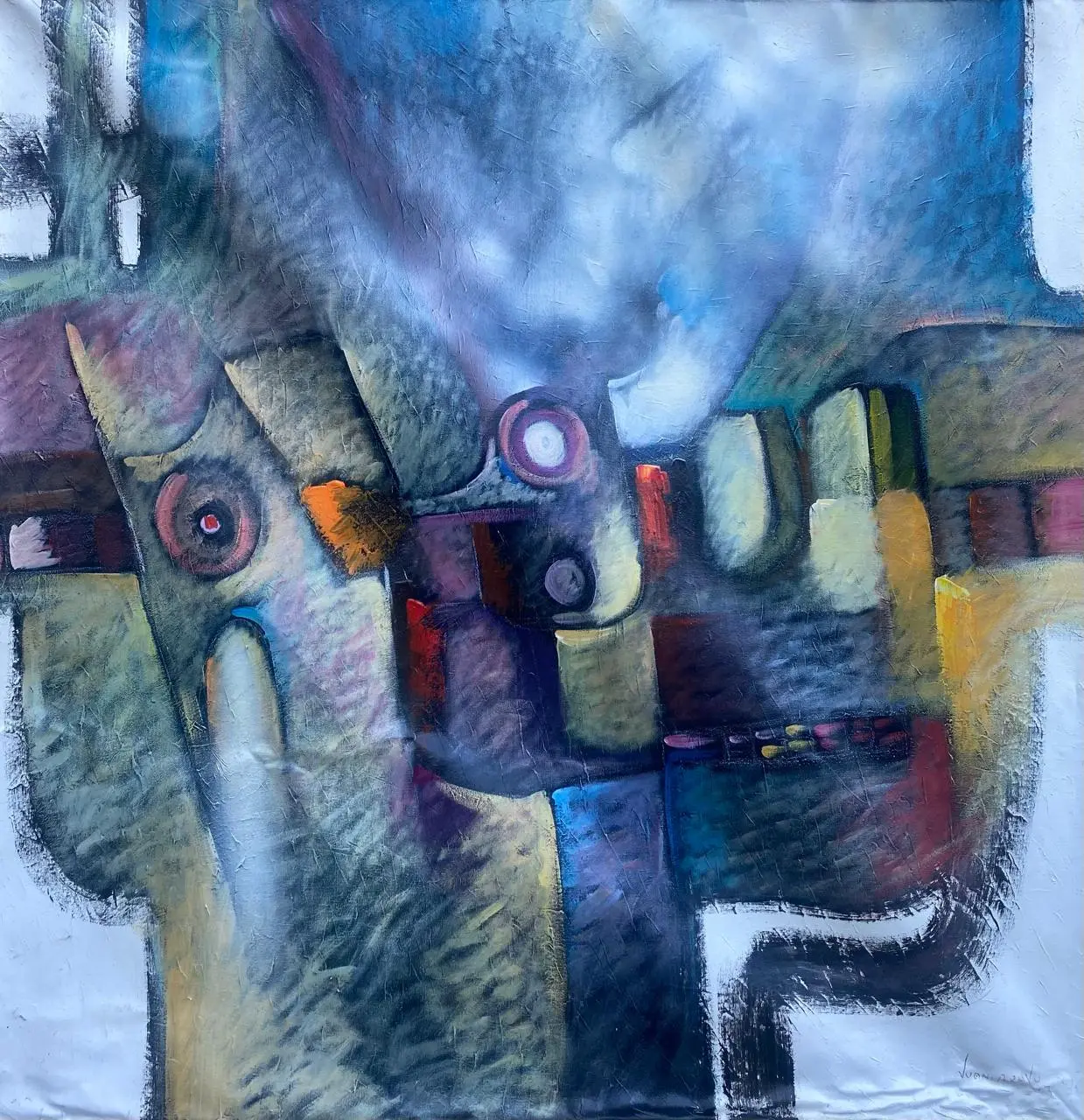
Juan Bravo was born in the Sánchez Ramírez province, Dominican Republic in 1961, emerged much later in the world of art, as he is part of the so-called “Generation of ’80”. As an artist, Juan Bravo prefers large formats to express his artistic concerns as a high-flying artist. He “assumes drawing as his first option in his creative activity,” according to critic Amable López Meléndez. Juan Bravo moves with unprecedented skill in the field of abstractions, creating nebula, galaxies, in short, an unknown world that begins to be created before our eyes in an instant prior to the creation of time itself and space. All that “chaos” that can be…
Kandinsky Before Abstraction: The Rider and the Landscape
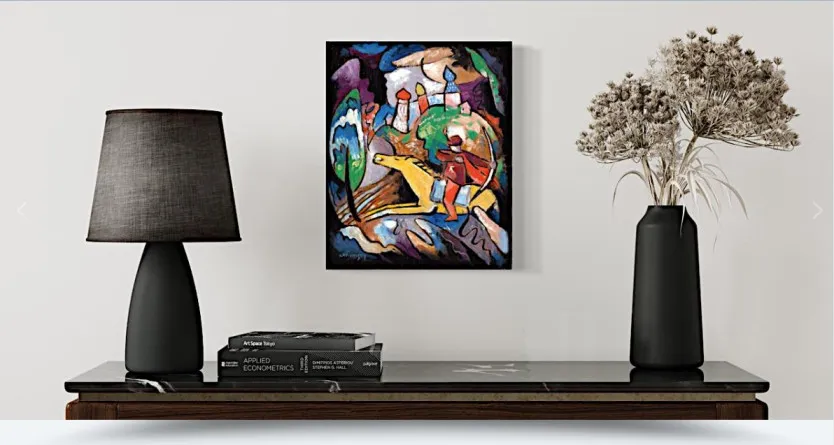
Tracing the Path to a Visual Language of the Soul Before Wassily Kandinsky stripped away the figure, before the symphonies of line and color, there was a rider — mid-gallop, merging with the landscape. Painted in 1909, Picture with a Riding Archer and Landscape is not yet abstract, but abstraction is already whispering through its brushwork. Why the Rider Matters Kandinsky saw music in color and spirituality in shape. In this painting, we witness the transitional moment: figuration dissolving into movement. The rider doesn’t dominate the scene — he becomes it. Forms blur, outlines soften, emotion overtakes narrative. A Glimpse into the Turning Point This work is critical for collectors…
Leningrad School of Painting
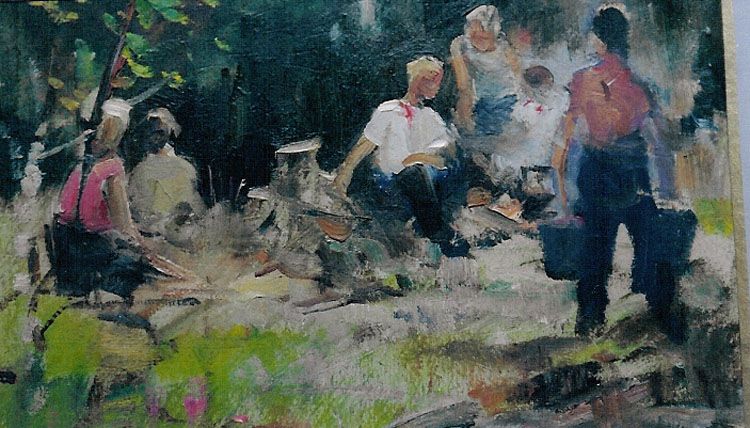
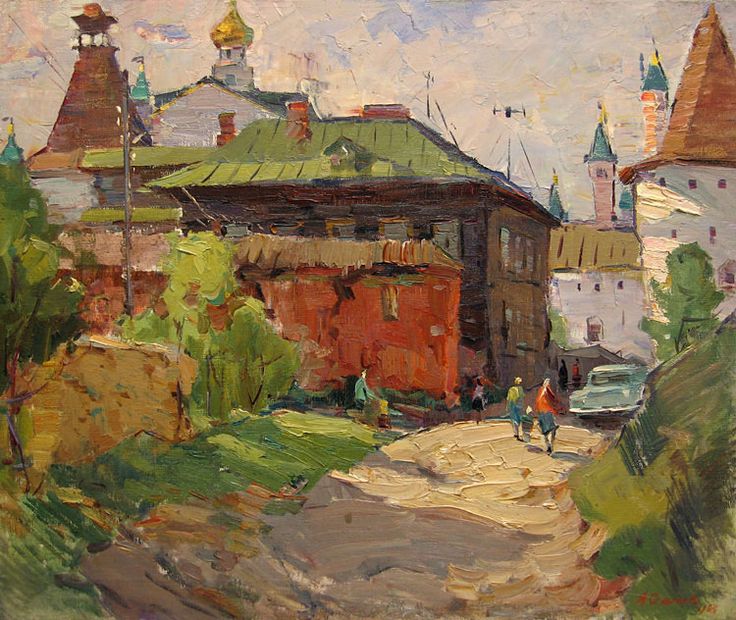
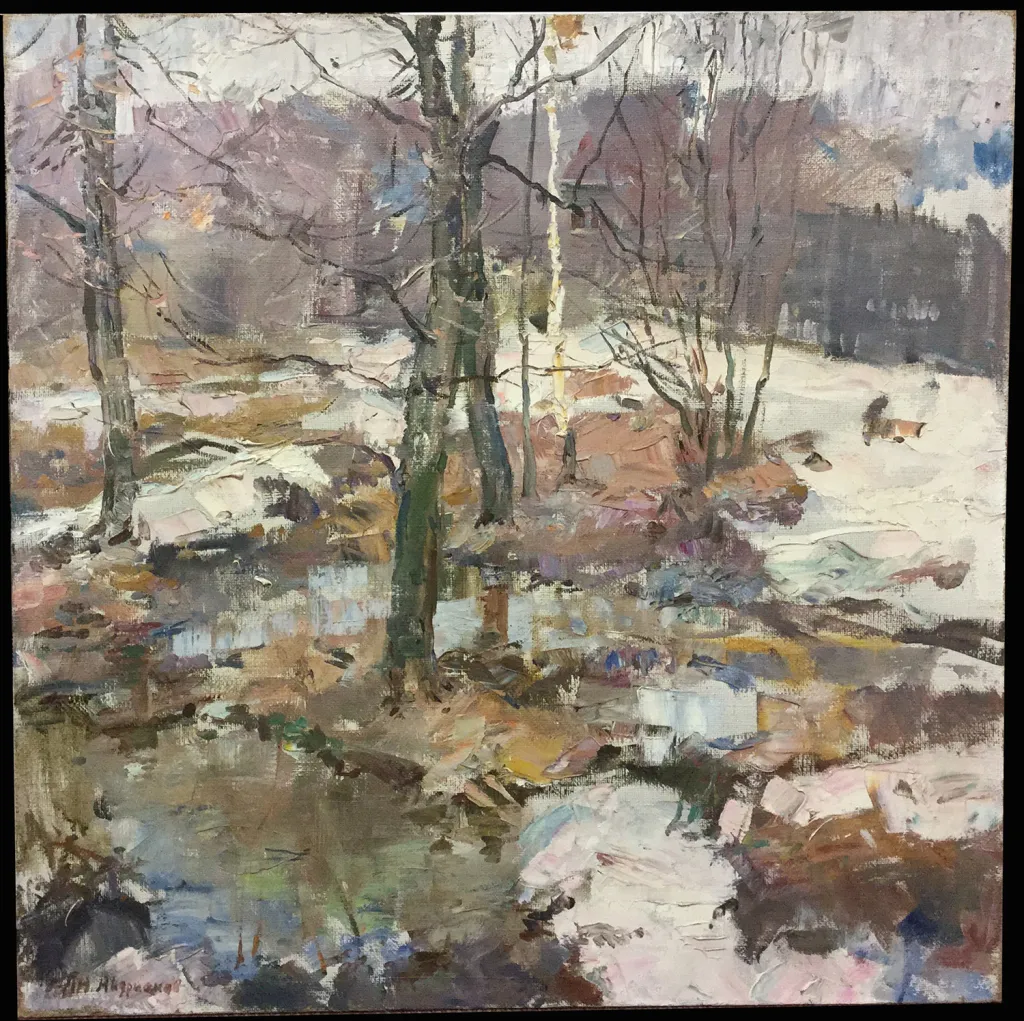
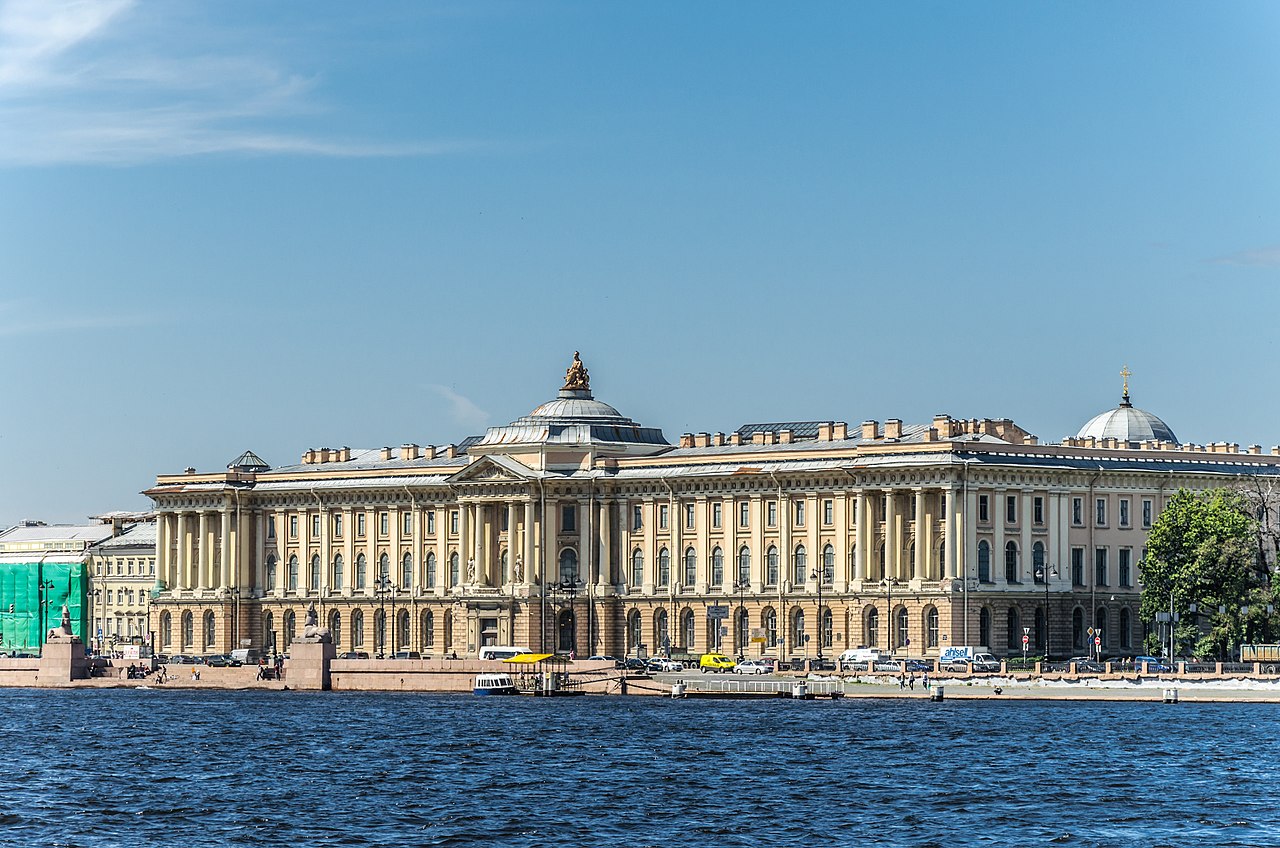
On our websites you will find many paintings you may recognize as works of art inspired by The Leningrad School of Painting (Russian: Ленинградская школа живописи). This refers to a group of Soviet painters, who from 1930 to 1950 founded in Leningrad the Reformed Imperial Academy of Fine Arts, unified by the Leningrad Union of Soviet artists. The history of the Leningrad School covers the period from early 1930 to early 1990s. It’s appearance was the result of the conflict resolution and reflect predominant trends in the development of Soviet art and artisanship at the turn of the 1920-1930s. It was accelerated in April 1932 by political offices of the Central Committee of the Communist Party…
Fine paintings & art for sale
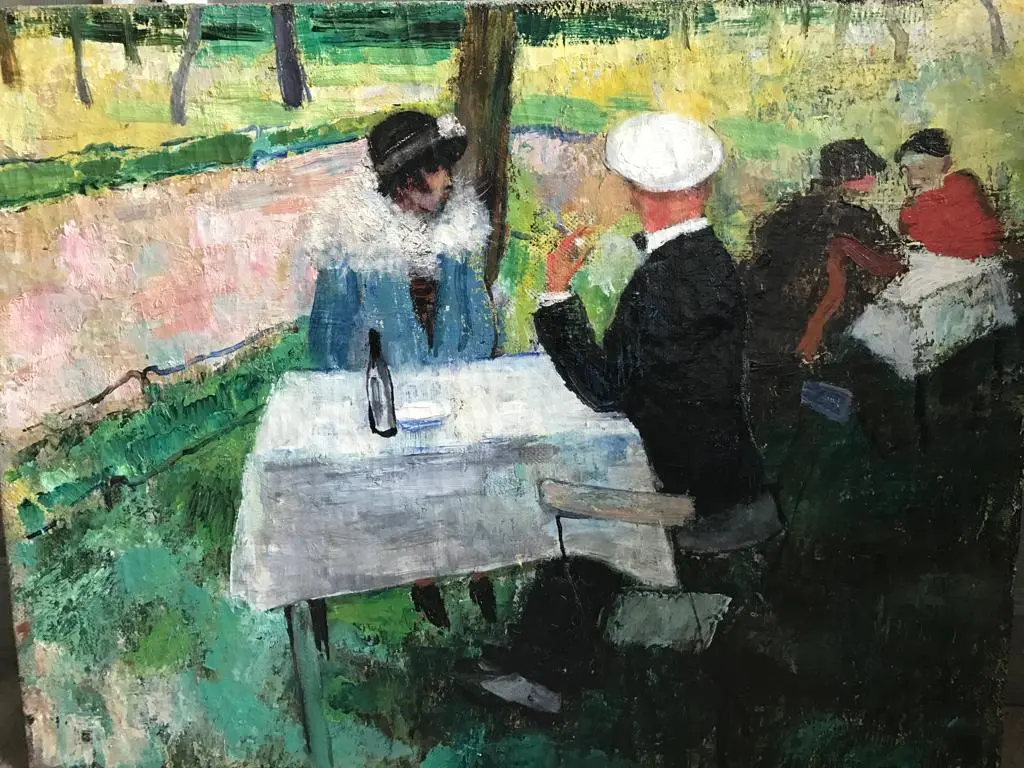
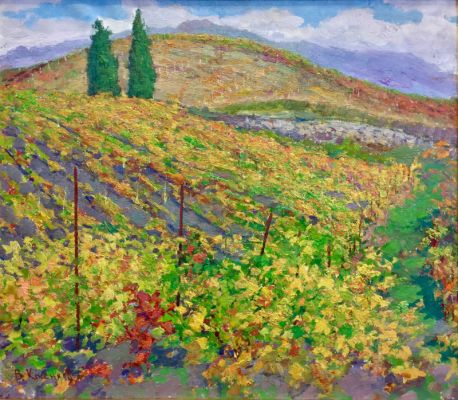
Invest in Art. But be selective. With some names you can never go wrong like Chagall, Brancusi, Kazimir Malevich, Pirosmani, Canaletto, Kandinsky, Renoir, Moglidiani and Gudiashvili. Yes, we do have some of their original works. VIP access. But, we also have over 2000 original art objects available or access to, in many cases directly from the owners who often bought most of them from the artists or from the families of the artists themselves: the Pissarro family, Yuroz, Michal Zaborowski, Alexandra Nechita, R.C. Gorman, Robert Hagan, Nicolai Timkov, Fedor Zakharov, Vladimir Krantz, Dmitry Maevsky and many other excellent Russian Impressionists as well as impressionist-inspired original paintings and bronze sculptures, French, American and Russian…
The Instituto Cervantes exhibits a selection of works by Roberto Fabelo
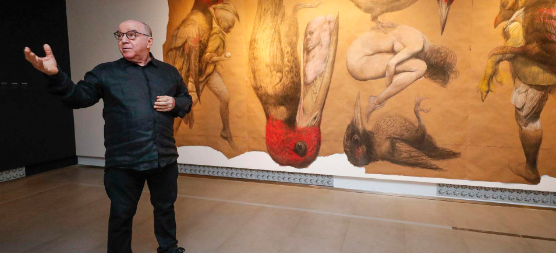
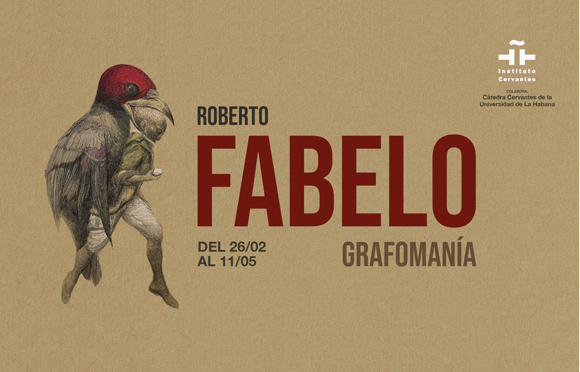
Until May 11, the Instituto Cervantes in Madrid (Calle Alcalá, 49) is exhibiting Fabelo. Grafomanía, a selection of works by Roberto Fabelo, a Cuban artist who works in diverse languages such as painting, sculpture, and illustration, in its exhibition hall. Free admission until full capacity is reached. 144 drawings made on various surfaces, six paintings, and one sculpture constitute a journey through works of different formats, selected by curator Mario José Hernández, from strange and dreamlike images that combine elements of reality and fantasy with meticulous attention to detail in a symbolic interpretation. Using vibrant colors and intricate compositions in his paintings, drawings, and sculptures, he often depicts fantastic creatures,…