Understanding Suprematism: Malevich’s Radical Vision
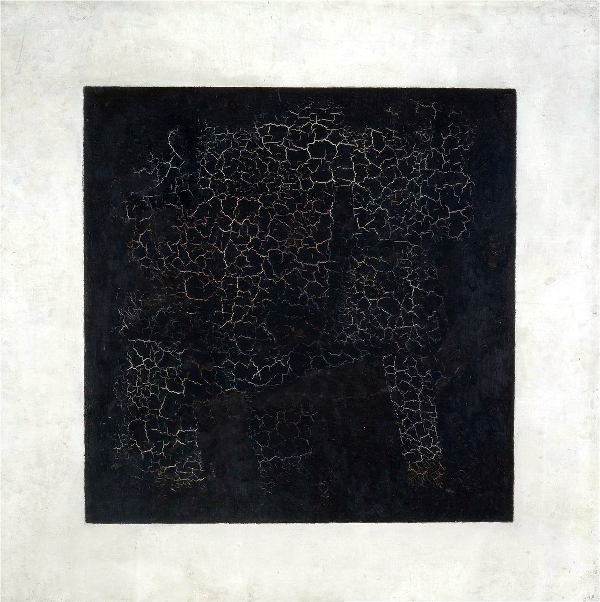
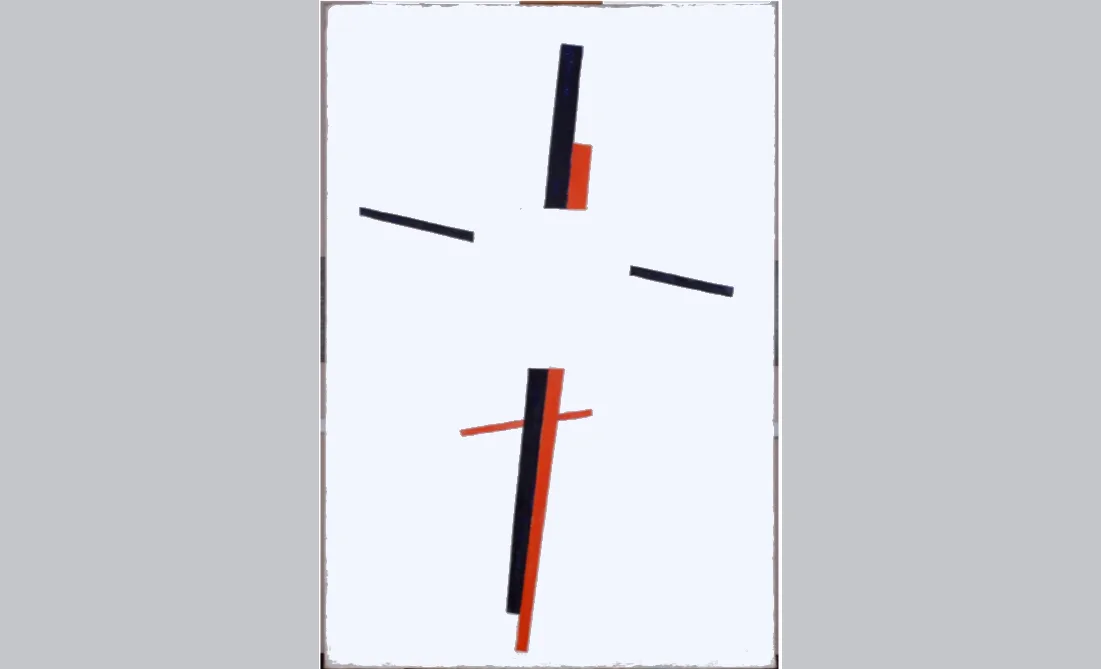
Why a Black Square Changed the Course of Art History In 1915, Kazimir Malevich exhibited a black square on a white canvas and declared: “I have transformed myself in the zero of form.” It was more than provocation — it was the birth of Suprematism, a movement that shattered centuries of representational art and set the stage for abstraction as we know it. What Is Suprematism? Suprematism is not just an aesthetic; it’s a philosophy. Malevich sought to liberate art from the burden of objects, representation, and narrative. His compositions — often made of geometric forms in pure color — were visual meditations on feeling, not function. Why It Mattered…
Refuge in the Art Market 2025
Graph by The Business Research Company The Art Market: A Safe Haven Investment in 2025 The art market is increasingly regarded as a “safe haven” investment, particularly during times of economic uncertainty. This perception is reinforced by the historical resilience of art values against inflation and market volatility. Recent reports highlight that fine art is viewed as a strategic asset for wealth preservation, with 32% of billionaires planning to increase their exposure to fine art and antiques in 2024-2025. The Role of Technology in Art Investments Technology has significantly transformed the art market. Blockchain technology is now widely used for provenance verification and fractional ownership, making high-value art accessible to…
Why are art dealers so suspicious and distrust brokers?
Art dealers may exhibit suspicion and distrust towards brokers for a variety of reasons. It’s important to note that not all art dealers hold these views, and individual experiences and perspectives can vary. However, here are some possible reasons for such skepticism. It’s important to remember that these are general observations, and not all art dealers hold the same views or exhibit the same level of skepticism towards brokers. Some brokers may be direct to the owner/seller of the artwork and not only connected in a “daisy-chain” network to other brokers. Trust and successful collaborations can still exist between dealers and brokers when there is clear communication, shared objectives, and…
Roberto Fabelo – Who is he?
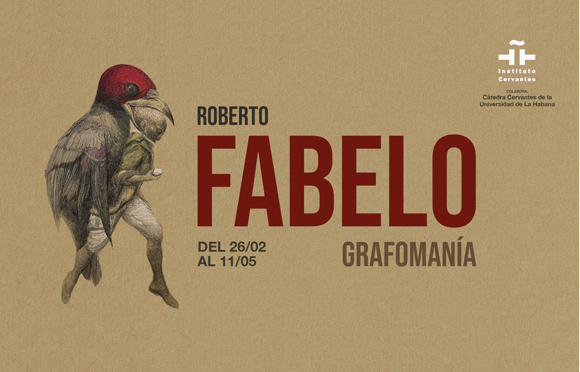
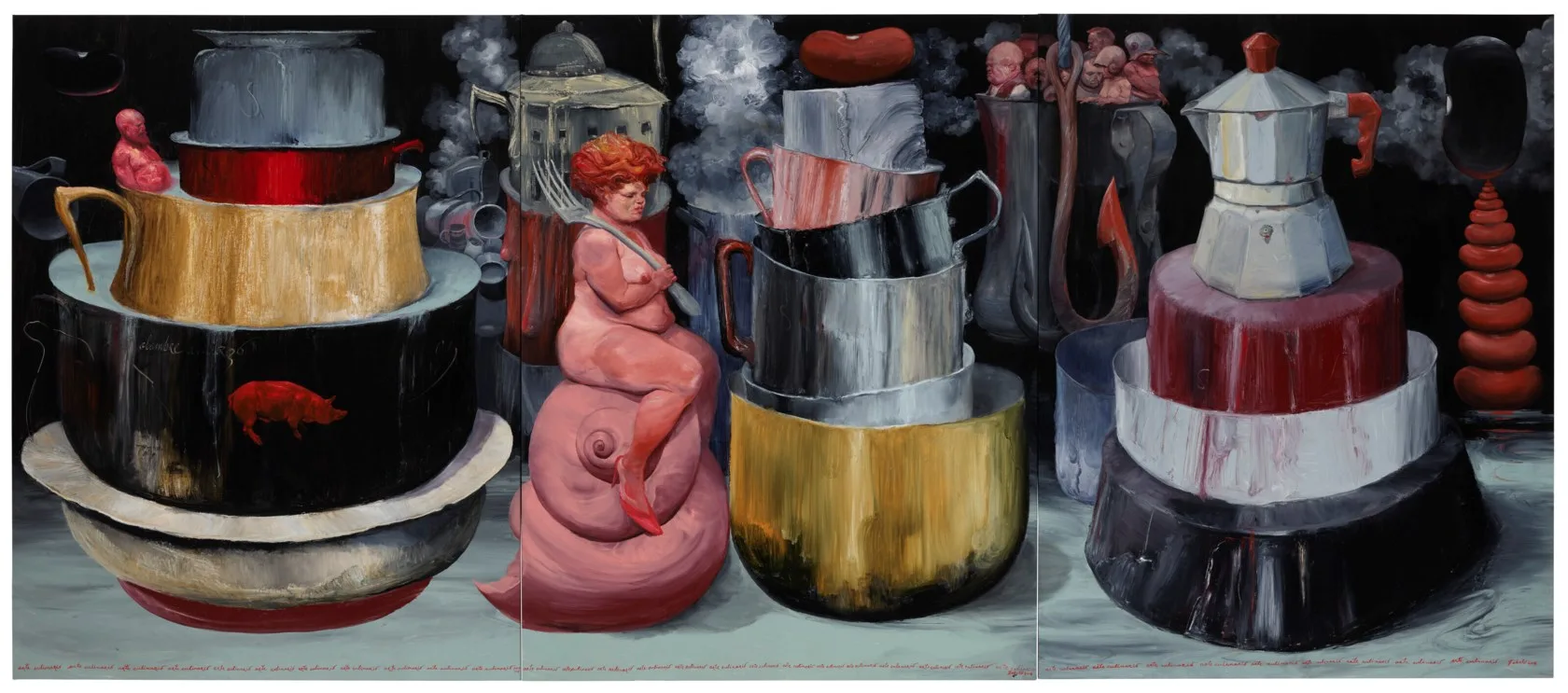
Roberto Fabelo, born on January 28, 1950, in Guáimaro, Cuba, discovered his love for drawing during his childhood in his hometown. He would often sketch on random pieces of paper, and his passion for drawing, which he refers to as “graphomania,” was ignited. Over time, what began as a simple pastime turned into a consuming vice, as Fabelo found solace in letting his imagination flow on paper using various artistic mediums such as pencil, charcoal, and ink. His sketches became a reflection of his creative expression and artistic talent. Who would have thought that Roberto Fabelo became a multi-talented artist who works as a painter, draftsman, and sculptor. He completed…
Wassily Kandinsky – Who was he?
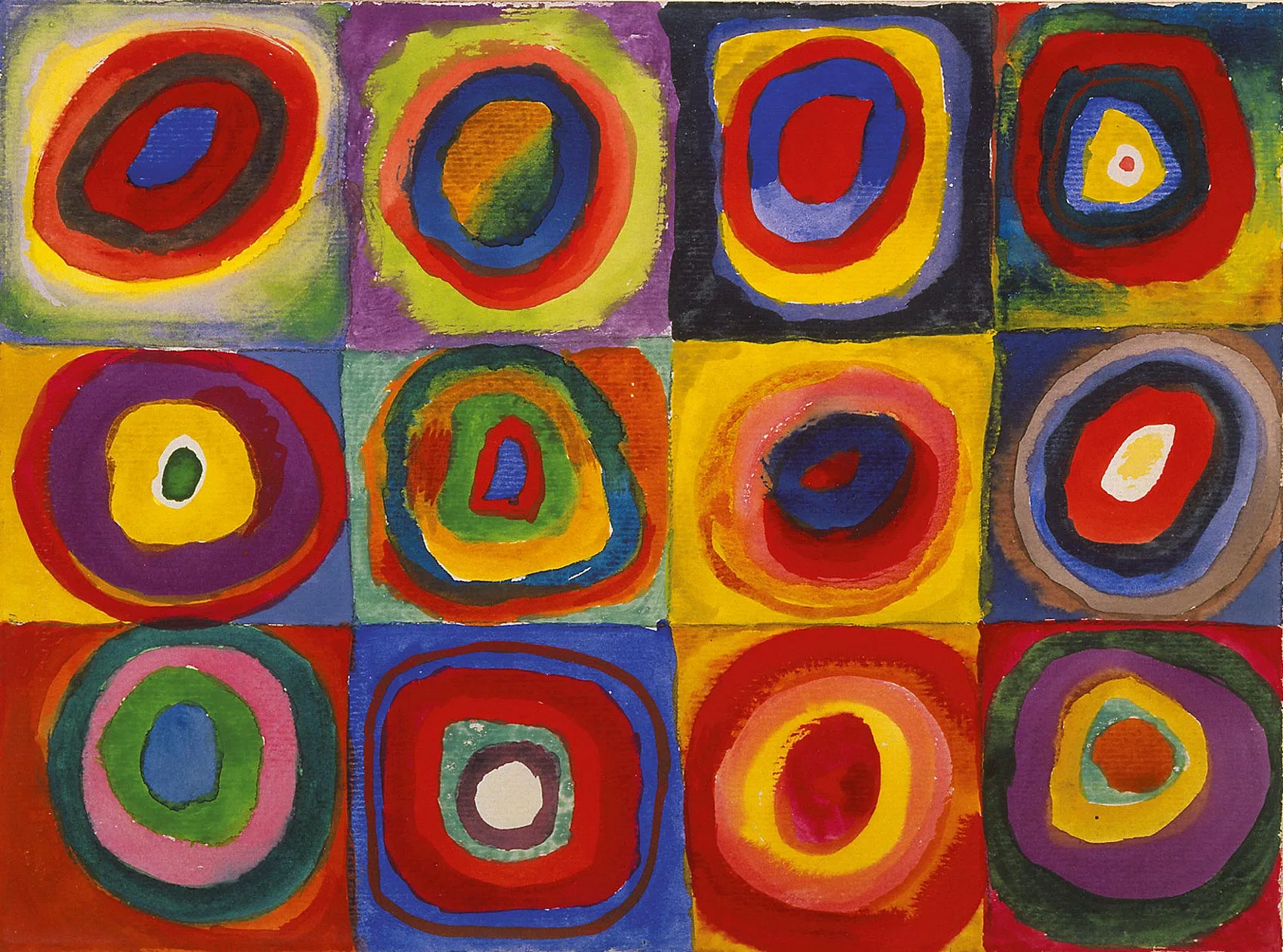
Wassily Kandinsky, a trailblazer in the realm of abstract modern art, crafted paintings that intricately explored the interaction between color and form to evoke emotional responses and captivate audiences. He advocated for complete abstraction as a powerful vehicle for profound expression, steering away from direct depictions of the natural world. Kandinsky’s artistic progression unfolded through three distinct phases, moving from representational works to exuberant compositions and eventually to the creation of geometric and biomorphic flat surfaces adorned with vivid hues. Born in Moscow in 1866, Kandinsky’s formative years were enriched by exposure to diverse cultural influences, which significantly shaped his artistic perspective. His fascination with color and form was deeply…
Ivan Klyun (Kliun) – Who was he?
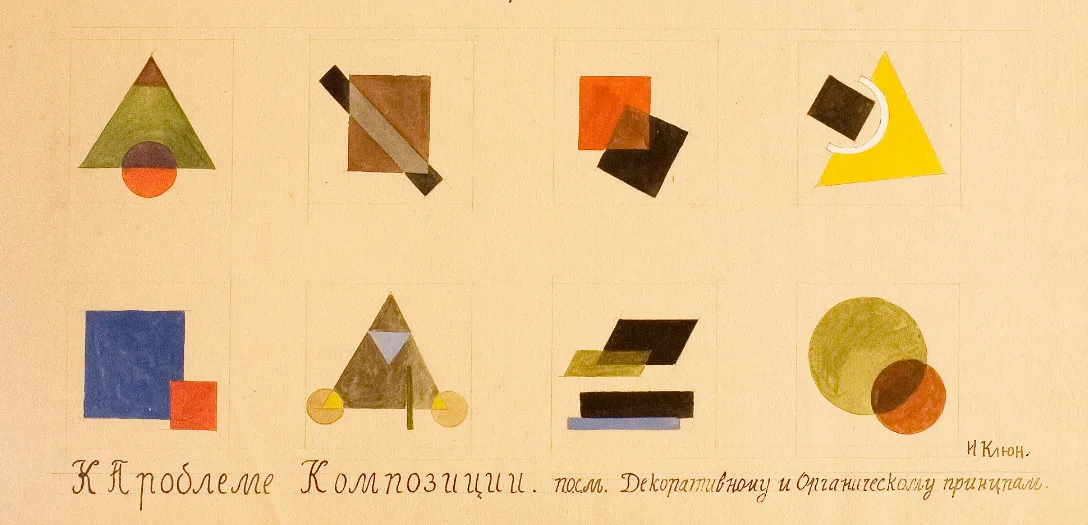
Imagine a bookkeeper with a secret passion – painting. That was Ivan Klyun (Ivan Vasilyevich Klyun – Klyunkov) , a talented Russian artist who wasn’t born with a silver spoon, but with a paintbrush in his soul. He honed his skills while balancing numbers, later studying with big names like Fyodor Rerberg. Klyun dabbled in different styles, from early influences like symbolism and Art Nouveau to the more geometric Cubism. But it was Suprematism, the movement that broke the mold with bold shapes and colors, that truly captured his imagination. He even joined forces with the movement’s founder, Kazimir Malevich, becoming a key player in the Suprematist world. Klyun’s journey…
Wassily Kandinsky and Gabrielle Münter
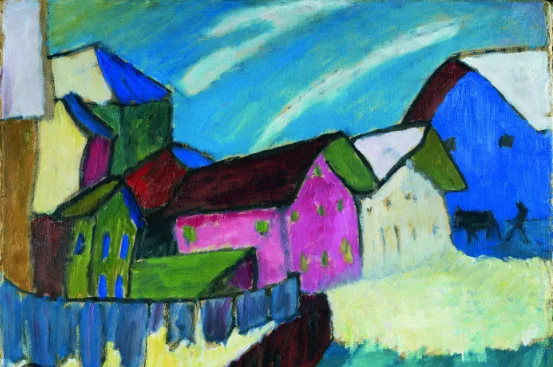
Wassily Kandinsky and Gabriele Münter’s love story is a captivating tale of art, passion, and creativity. Kandinsky, renowned as the father of abstractionism, found a kindred spirit in Münter, a talented German artist. Despite Kandinsky’s official marriages, his bond with Münter blossomed into a 12-year companionship marked by mutual artistic inspiration and deep affection. Münter’s artistic talent flourished alongside Kandinsky’s groundbreaking abstract art, with both artists influencing each other’s work. Their travels to various countries enriched their creative perspectives, fostering a period of artistic innovation and growth. Münter’s unique style, characterized by clear lines and simple structures, complemented Kandinsky’s evolving approach towards abstraction. Their journey together was not without challenges.…
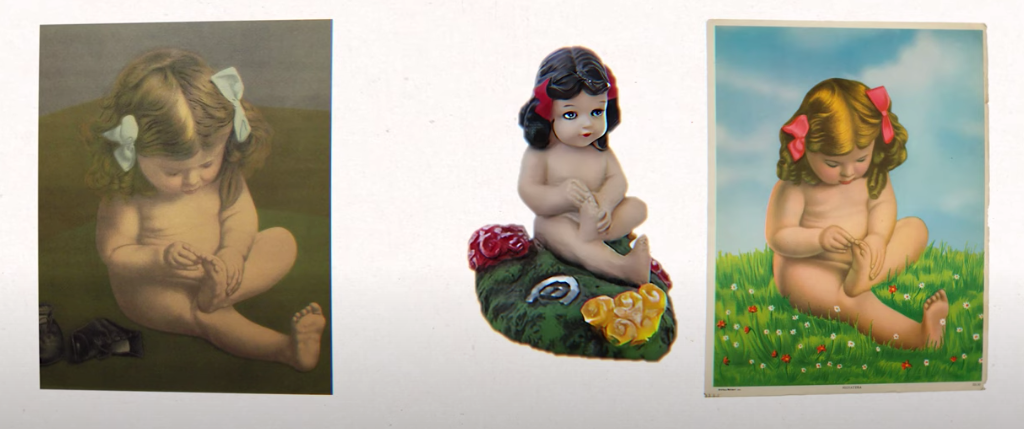
The truth about “The little girl with the thorn.” “La Nigüenta” “Chubby Fingers” or “This Little Piggy.”
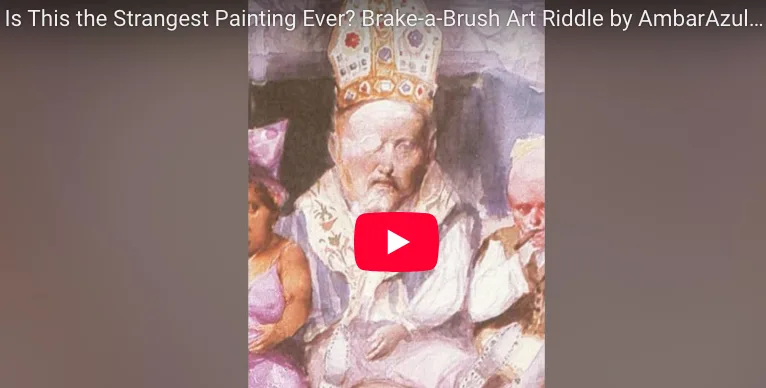
I had seen this image for years in houses, in the fields in Latin America, and I remember something about a girl counting the toes or something like that. Naturally, my first instinct was to dive headfirst into the internet. And there was the image I had in mind, or so I thought, because studying this image led me down a rabbit hole of research and different names for the same painting: “Chubby Fingers” and “This Little Piggy.” I realized that several antique dealers had different versions of it, but all seemed to agree that it was probably from the Victorian era, according to its style, at least from the…
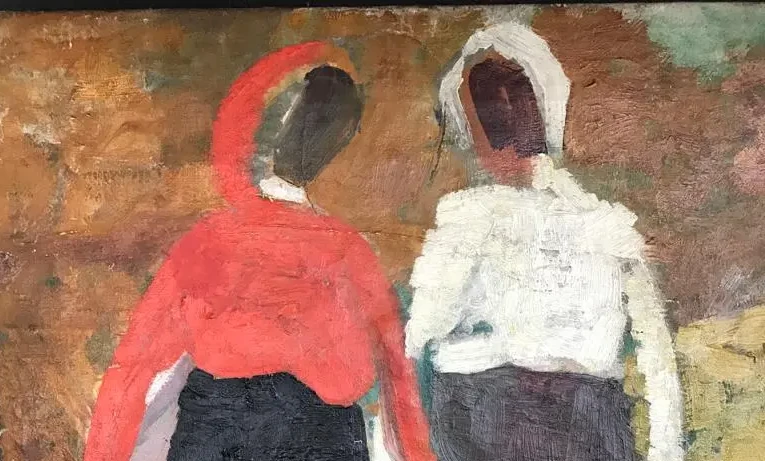
Kazimir Malevich “Two Peasants” 1929-1930
Kazimir Malevich’s “Two Peasants” is a significant piece from his later period, showcasing his exploration of form and color within his distinctive style of Suprematism. Painted in 1929-1930, it reflects Malevich’s continued interest in geometric abstraction and the reduction of forms to their essential components. In “Two Peasants,” Malevich presents two figures in a simplified, almost schematic manner. The figures are reduced to basic shapes and lines, emphasizing the geometric nature of his Suprematist style. The colors used are typically muted and limited, with emphasis on black, white, and shades of gray, enhancing the starkness of the composition. Malevich’s motivations for painting such works during this period were likely multifaceted.…
The importance of “Suprematism of the Spirit” in Malevich works.
Kazimir Malevich initiated the Suprematist movement in the early 20th century. It emerged as a response to the changing artistic landscape and the societal upheavals of the time. Malevich, like many avant-garde artists of his era, was searching for new ways to express the modern experience and break away from traditional artistic conventions. Suprematism began to take shape in Malevich’s work around 1913, but it fully came into its own with the exhibition of his famous “Black Square” painting in 1915. This iconic artwork marked a radical departure from representational art and embraced pure abstraction. Malevich believed that art should transcend the material world and instead explore the realm of…