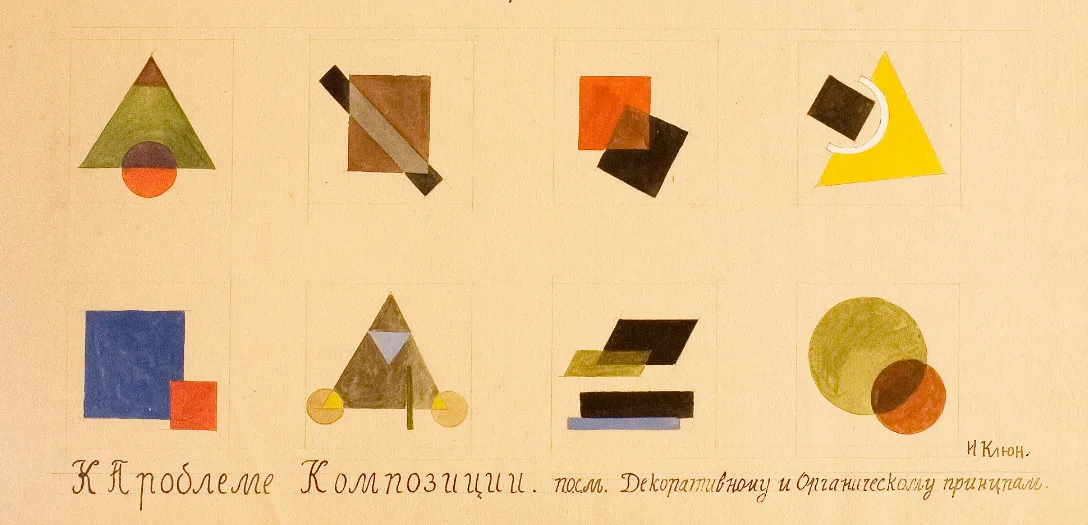
Ivan Klyun (Kliun) – Who was he?
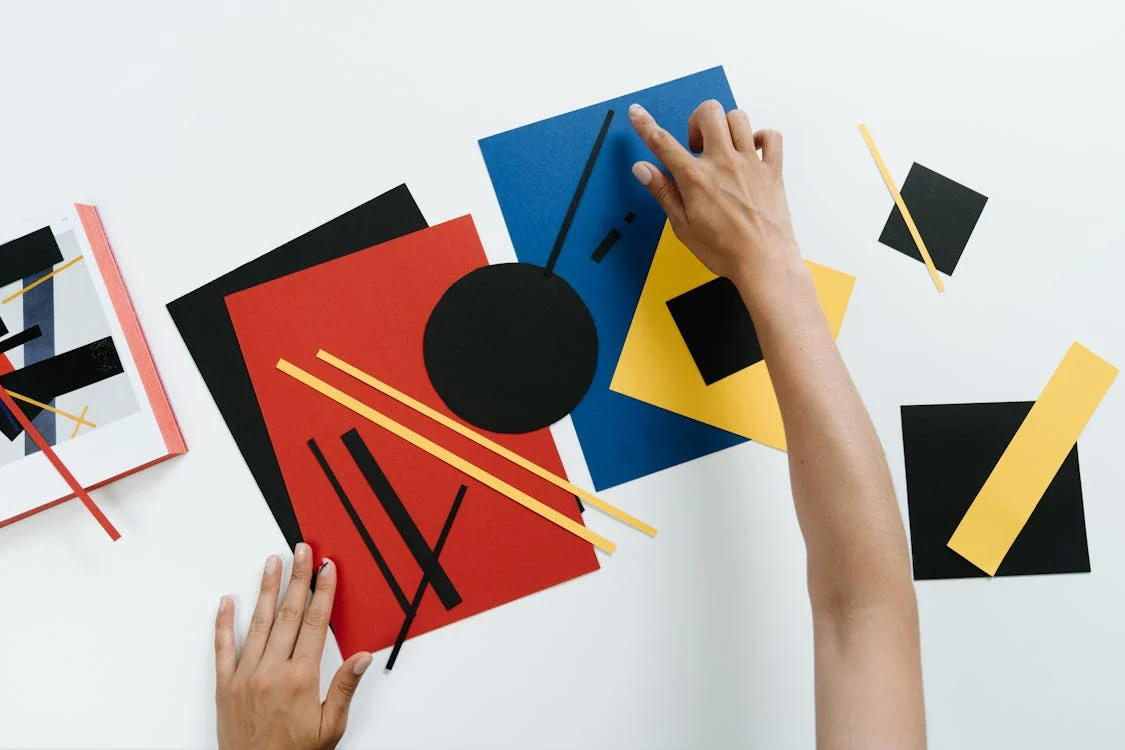
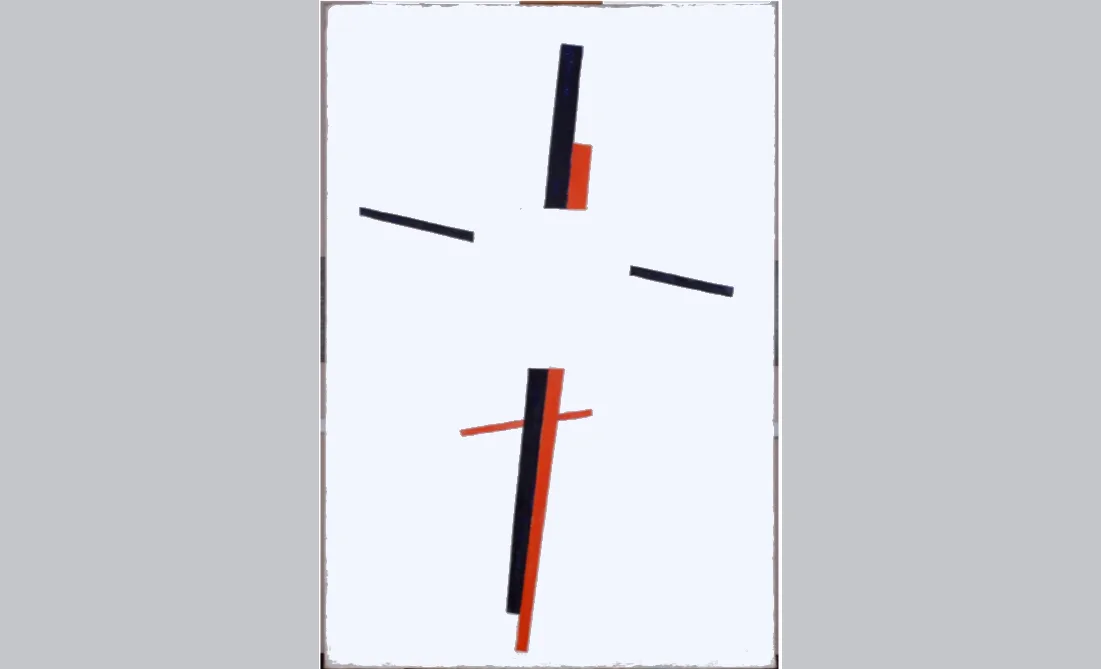
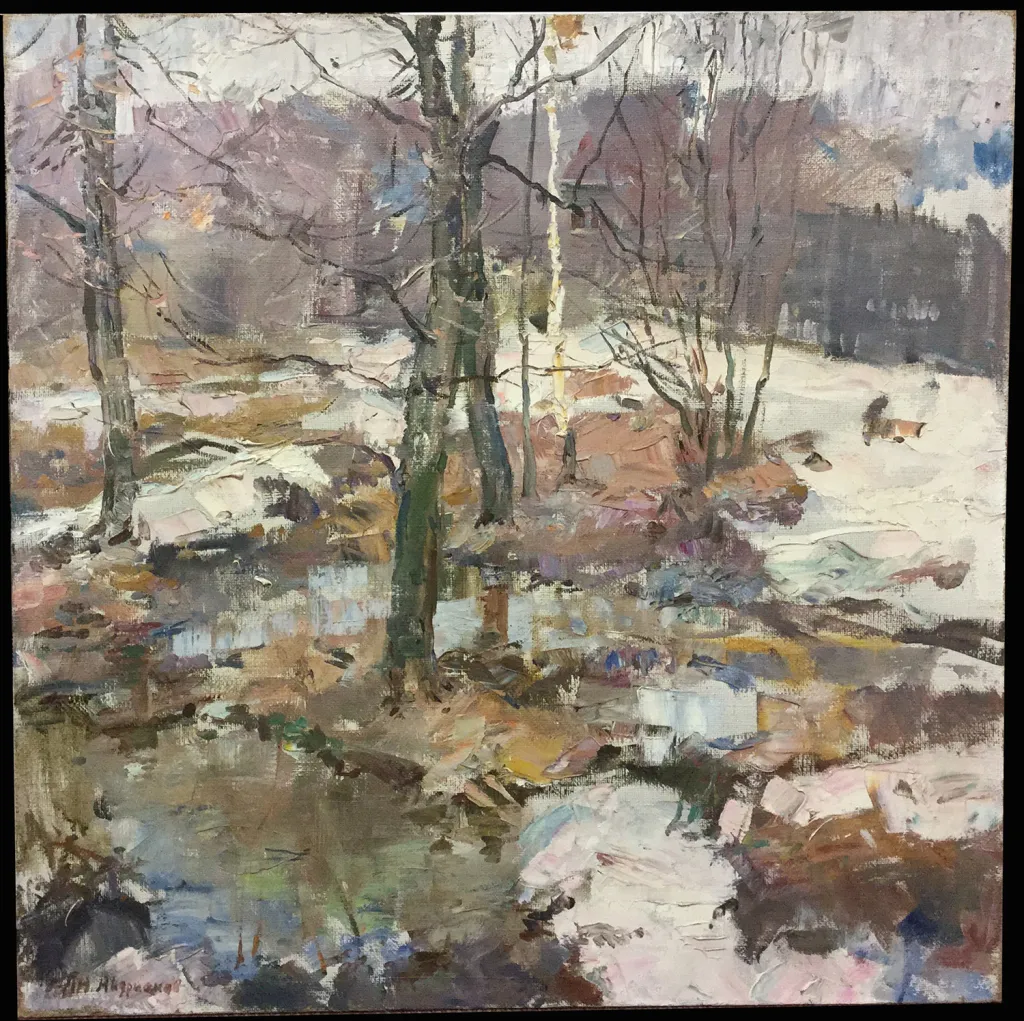
Imagine a bookkeeper with a secret passion – painting. That was Ivan Klyun (Ivan Vasilyevich Klyun – Klyunkov) , a talented Russian artist who wasn’t born with a silver spoon, but with a paintbrush in his soul. He honed his skills while balancing numbers, later studying with big names like Fyodor Rerberg. Klyun dabbled in different styles, from early influences like symbolism and Art Nouveau to the more geometric Cubism. But it was Suprematism, the movement that broke the mold with bold shapes and colors, that truly captured his imagination. He even joined forces with the movement’s founder, Kazimir Malevich, becoming a key player in the Suprematist world. Klyun’s journey…
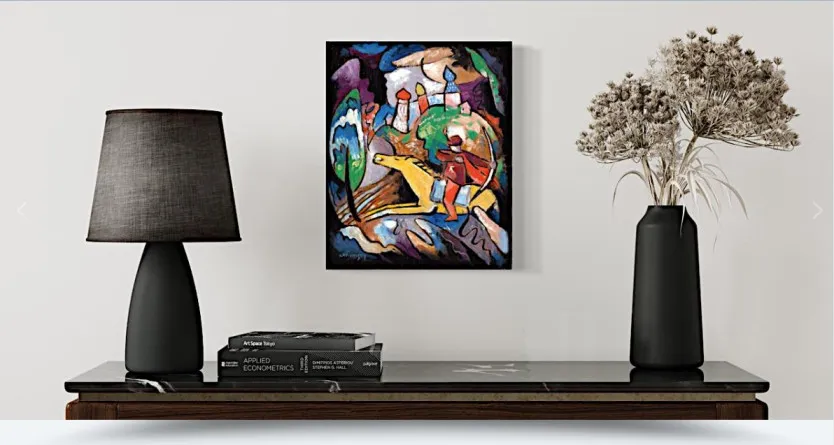
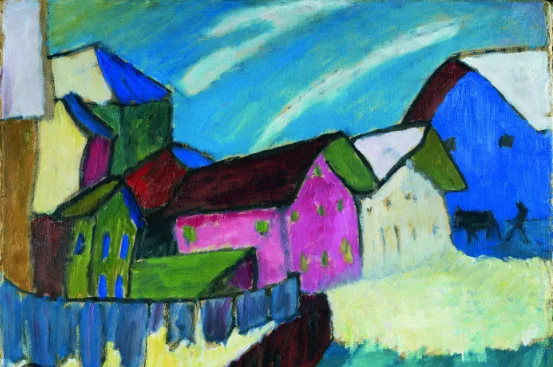
Wassily Kandinsky and Gabrielle Münter
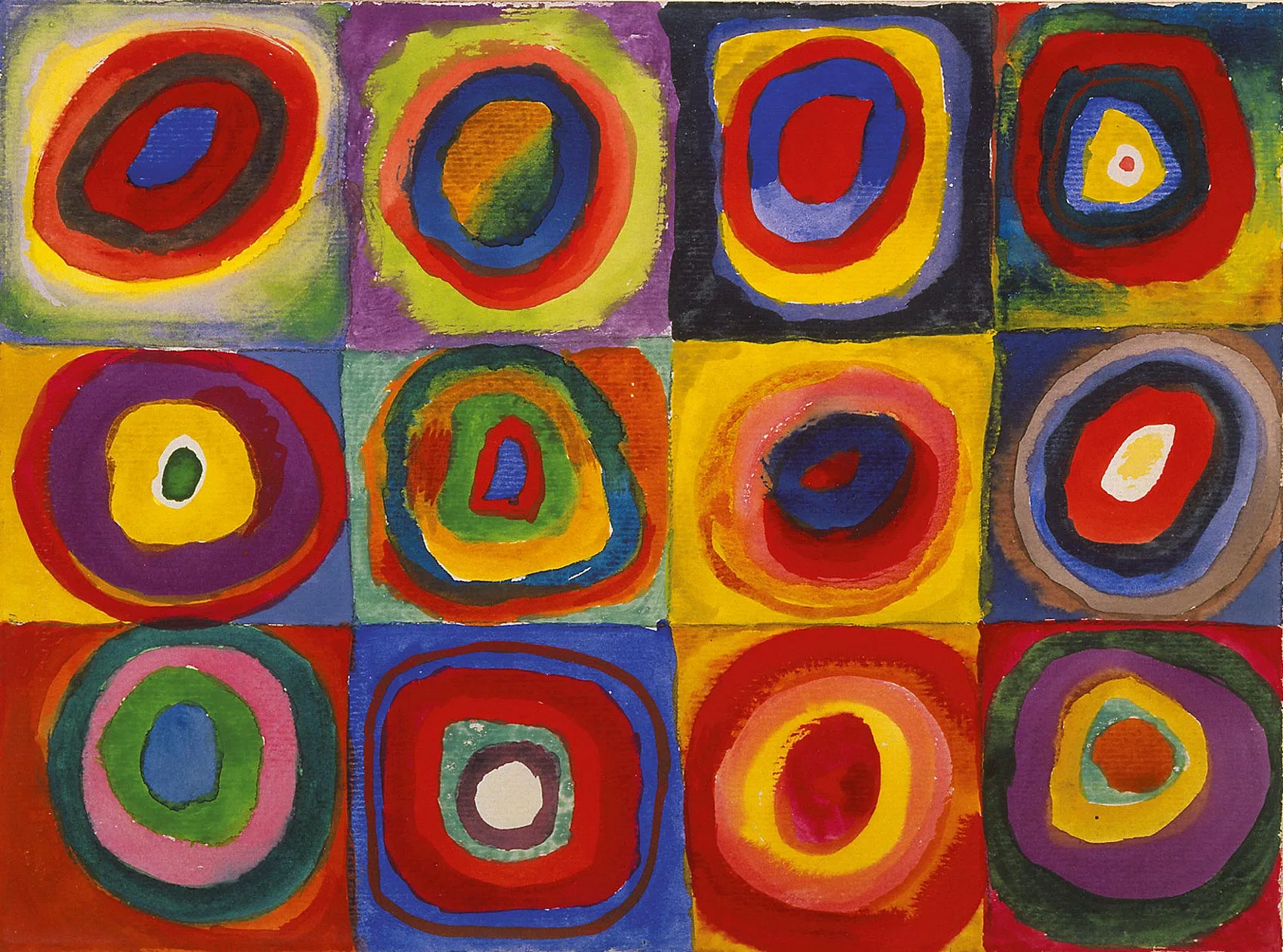
Wassily Kandinsky and Gabriele Münter’s love story is a captivating tale of art, passion, and creativity. Kandinsky, renowned as the father of abstractionism, found a kindred spirit in Münter, a talented German artist. Despite Kandinsky’s official marriages, his bond with Münter blossomed into a 12-year companionship marked by mutual artistic inspiration and deep affection. Münter’s artistic talent flourished alongside Kandinsky’s groundbreaking abstract art, with both artists influencing each other’s work. Their travels to various countries enriched their creative perspectives, fostering a period of artistic innovation and growth. Münter’s unique style, characterized by clear lines and simple structures, complemented Kandinsky’s evolving approach towards abstraction. Their journey together was not without challenges.…
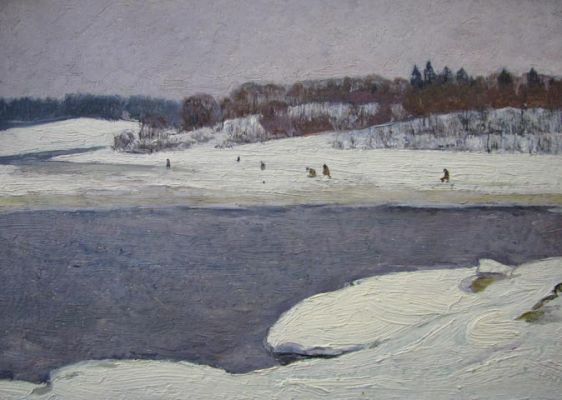
The truth about “The little girl with the thorn.” “La Nigüenta” “Chubby Fingers” or “This Little Piggy.”
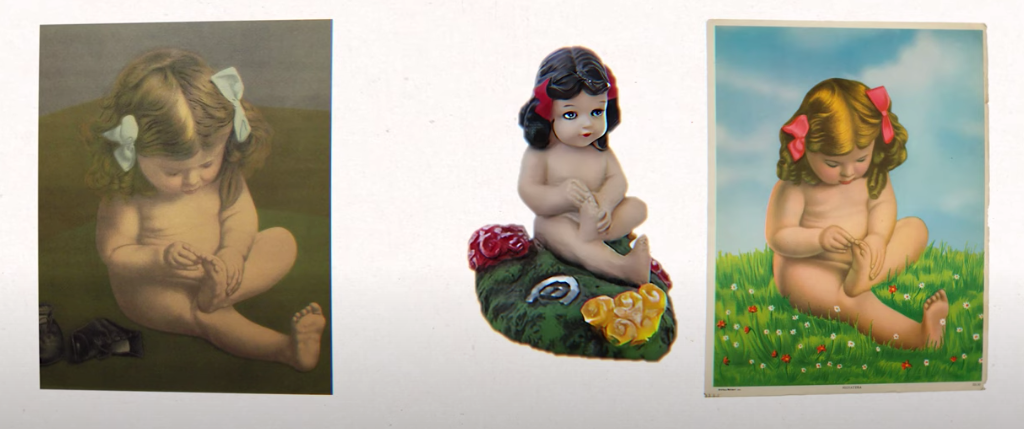
I had seen this image for years in houses, in the fields in Latin America, and I remember something about a girl counting the toes or something like that. Naturally, my first instinct was to dive headfirst into the internet. And there was the image I had in mind, or so I thought, because studying this image led me down a rabbit hole of research and different names for the same painting: “Chubby Fingers” and “This Little Piggy.” I realized that several antique dealers had different versions of it, but all seemed to agree that it was probably from the Victorian era, according to its style, at least from the…
Kazimir Malevich “Two Peasants” 1929-1930
Kazimir Malevich’s “Two Peasants” is a significant piece from his later period, showcasing his exploration of form and color within his distinctive style of Suprematism. Painted in 1929-1930, it reflects Malevich’s continued interest in geometric abstraction and the reduction of forms to their essential components. In “Two Peasants,” Malevich presents two figures in a simplified, almost schematic manner. The figures are reduced to basic shapes and lines, emphasizing the geometric nature of his Suprematist style. The colors used are typically muted and limited, with emphasis on black, white, and shades of gray, enhancing the starkness of the composition. Malevich’s motivations for painting such works during this period were likely multifaceted.…
The importance of “Suprematism of the Spirit” in Malevich works.
Kazimir Malevich initiated the Suprematist movement in the early 20th century. It emerged as a response to the changing artistic landscape and the societal upheavals of the time. Malevich, like many avant-garde artists of his era, was searching for new ways to express the modern experience and break away from traditional artistic conventions. Suprematism began to take shape in Malevich’s work around 1913, but it fully came into its own with the exhibition of his famous “Black Square” painting in 1915. This iconic artwork marked a radical departure from representational art and embraced pure abstraction. Malevich believed that art should transcend the material world and instead explore the realm of…
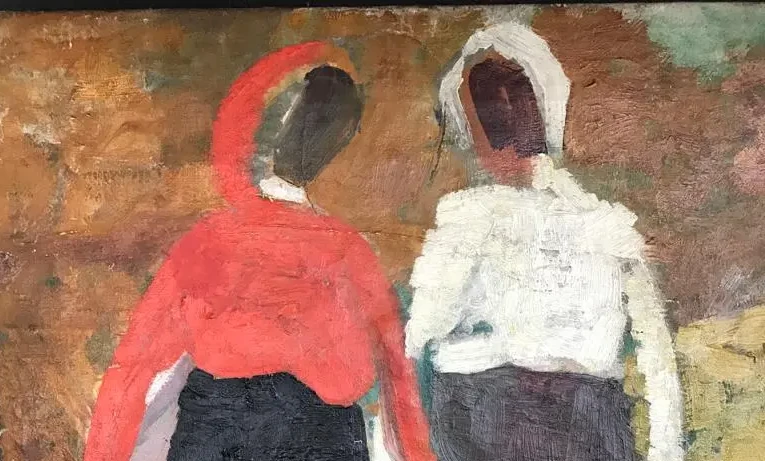
The two peasant women – Kazimir Malevich
The first owner of this painting was avant-garde artist Alexei Gan, a co-founder of the First Working Group of Constructivists with Alexander Rodchenko and Varvara Stepanova. Gan edited Kino-fot (1922–23) and co-edited Contemporary Architecture (1928), where Malevich also published articles. His partner, Esfir Shub, was a noted documentary filmmaker. Two Peasant Women belongs to Malevich’s second peasant cycle of the late 1920s. This intense painting synthesizes Malevich’s avant-garde activities, drawing from his first peasant cycle of the early 1910s. The imagery aligns with Russian icon painting, with the two women’s postures echoing saints in Orthodox Deësis. Their golden-hued background resembles traditional icon backdrops, with a two-toned pozem effect. The scarves…
The Rise of Cuban Art on the Global Market
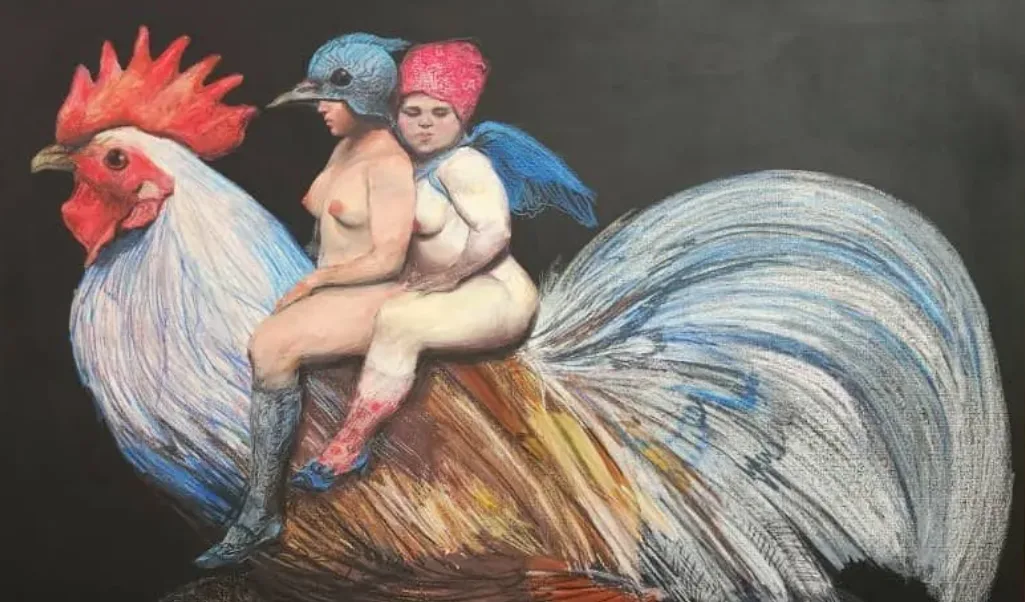
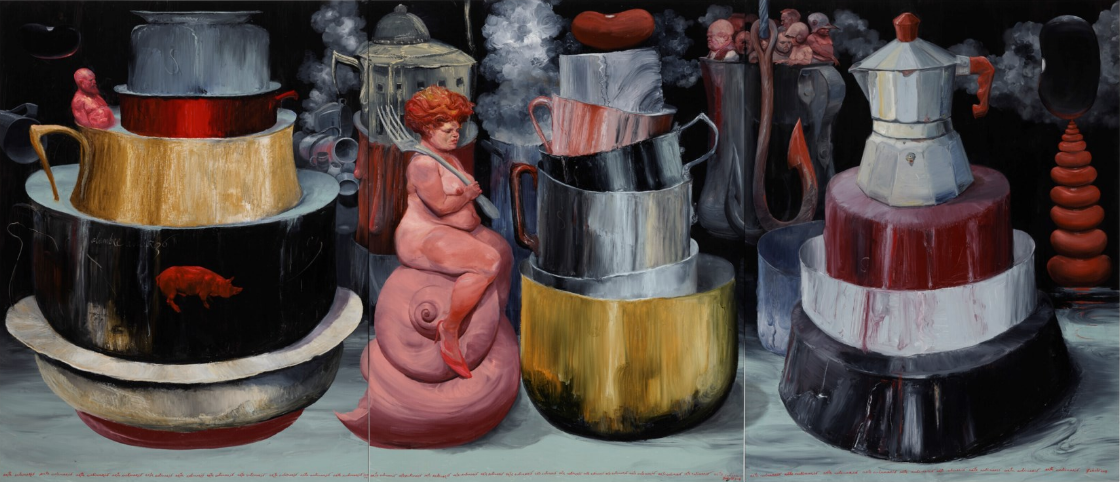
The Value of Cuban Fine Art in 2025: Spotlight on Roberto Fabelo Cuban art has long been celebrated for its rich history and unique blend of cultural influences, but recent years have seen a surge in its global appeal. This growth can be attributed to increased international interest in Cuban culture, improved access to Cuban artists’ works, and the easing of restrictions on trade and travel. Auction houses such as Phillips and Christie’s have played a pivotal role in bringing Cuban art to the forefront of the global market, showcasing both established and emerging artists. Roberto Fabelo, a master of surrealism and storytelling through art, has emerged as one of…
Juan Bravo – creating nebulas, galaxies, and unknown worlds
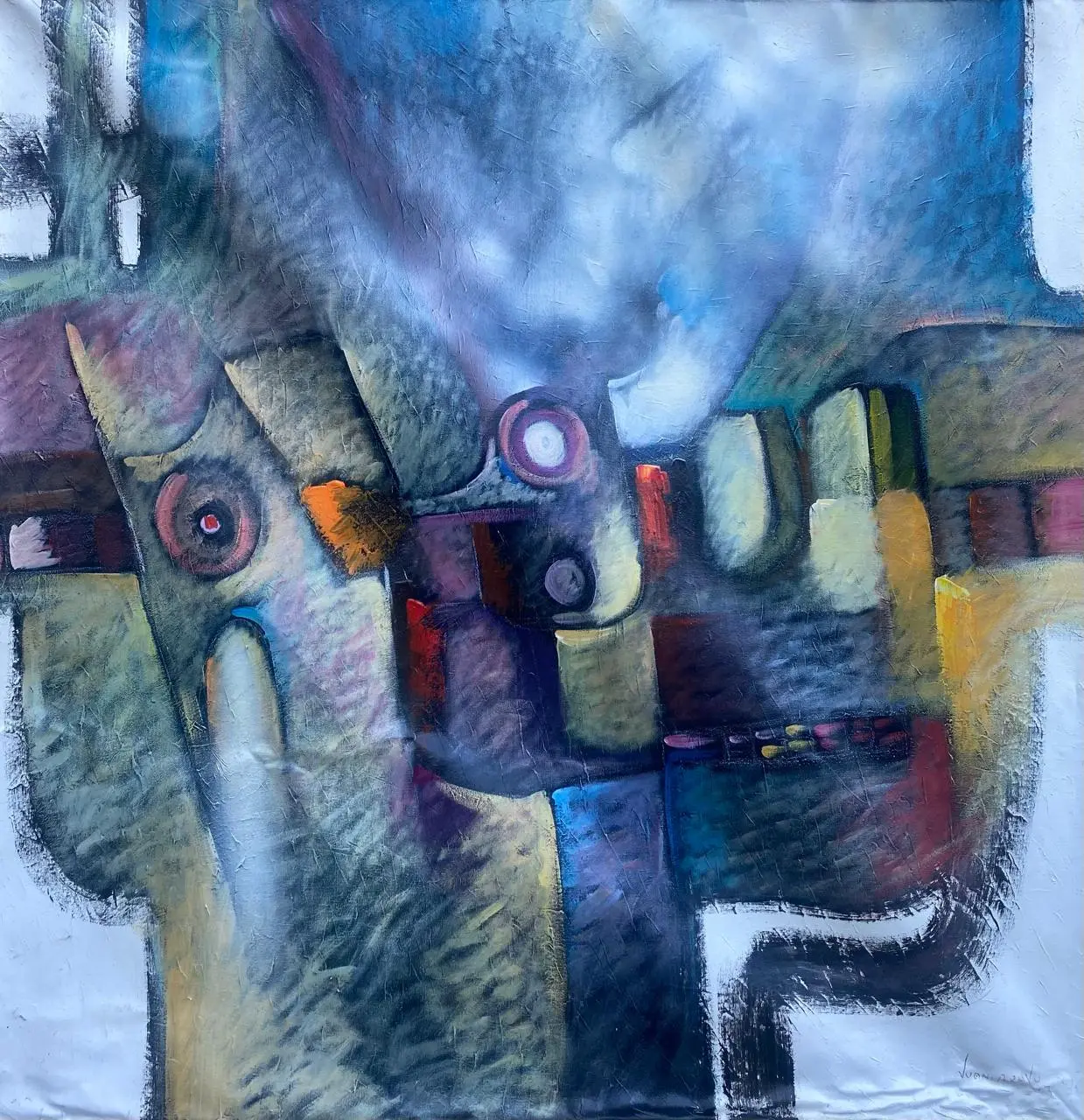
Juan Bravo was born in the Sánchez Ramírez province, Dominican Republic in 1961, emerged much later in the world of art, as he is part of the so-called “Generation of ’80”. As an artist, Juan Bravo prefers large formats to express his artistic concerns as a high-flying artist. He “assumes drawing as his first option in his creative activity,” according to critic Amable López Meléndez. Juan Bravo moves with unprecedented skill in the field of abstractions, creating nebula, galaxies, in short, an unknown world that begins to be created before our eyes in an instant prior to the creation of time itself and space. All that “chaos” that can be…
The Rising Tide of Asian Art: Why It’s Taking the Global Stage by Storm
Do Ho Suh opens at the Museum of Contemporary Art Australia as a Sydney exclusive for the Sydney International Art Series 2022-23 Today, we’re diving into a vibrant and dynamic topic that’s been making waves in the art world: the increasing prominence of Asian artists in global auctions and exhibitions. If you’ve been keeping an eye on the scene, you’ve probably noticed that Asian art is more than just a trend—it’s a powerful force shaping the international art landscape. So, let’s explore why this is happening and what it means for the future of art. A Rich Cultural Heritage First things first, Asian art is rooted in a rich, diverse, and ancient cultural…
How to Read the Secondary Art Market Without Getting Burned
A Short Collector’s Guide to Provenance, Price, and Pitfalls The secondary art market can feel like a labyrinth. For the seasoned collector, it’s a landscape rich with opportunity — and risk. Unlike buying directly from an artist or gallery, purchasing from the secondary market involves additional layers: historical value, legal clarity, and market psychology. Start with Provenance, Not Price A competitive price tag is meaningless without clear provenance. Can the seller trace ownership back to the artist or a credible dealer? Are exhibition records, publications, or previous auctions properly documented? These are not extras — they are non-negotiables. Rarity ≠ Quality A work might be rare because no one wanted…