The Art Hustle: Why Success is Tough for New Painters
Becoming a successful painter these days? It’s a cool dream, but let’s be real, it’s also a pretty bumpy road. Lots of super talented visual artists find themselves scratching their heads, wondering why they’re not hitting it big. And nope, it’s not just about how well you can paint; it’s about navigating this wild, ever-changing world. Drowning in the Art Sea Imagine trying to swim in an ocean that’s already packed with a zillion other swimmers, all doing their thing. That’s pretty much what the art market looks like today. It’s totally saturated, with millions of artists all over the globe. So, it’s super hard for new artists to actually…
How Art Dealers Shape the Art World
When we admire a painting in a museum or collection, we focus on the artist. But who helped them get there? Who believed in their work before the rest of the world did? That question sits at the heart of The Art Dealers: The Powers Behind the Scene Tell How the Art World Really Works by Laura de Coppet and Alan Jones. First published in 1984 and revised in 2002, this book lifts the curtain on the influential figures who shaped modern art. Told through first-person interviews with top New York dealers, it gives us an inside look into how art careers are built, how galleries work, and how the…
Roberto Fabelo’s Auction Triumphs: Rising Demand Amidst Scarcity
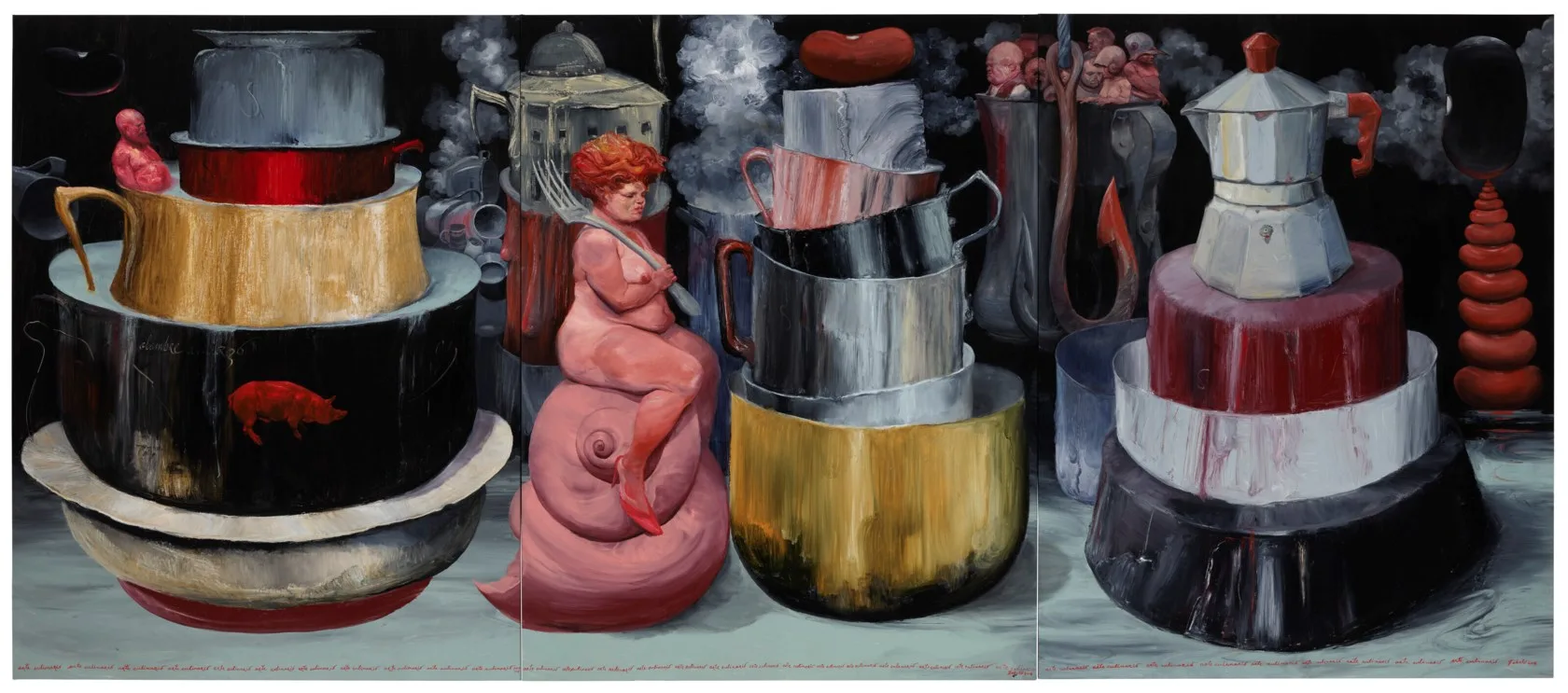
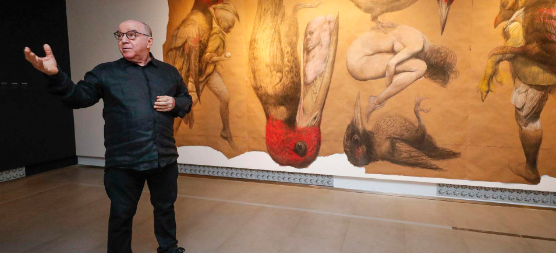
Cuban artist Roberto Fabelo continues to captivate the art world, with his recent auction results underscoring both escalating demand and the increasing rarity of his works. In March 2024, Fabelo’s monumental triptych Arte culinario achieved a record-breaking sale of $630,000 at Christie’s New York, marking the highest price ever fetched for his work at auction .MutualArt+2Beyond Artist+2Beyond Artist+2 This sale is part of a broader trend highlighting Fabelo’s growing prominence. His 2018 triptych Perrerío sold for $579,600 at Christie’s Latin American Art sale in March 2022, setting a new auction record for the artist at that time . These significant sales reflect a robust market interest in Fabelo’s unique blend…
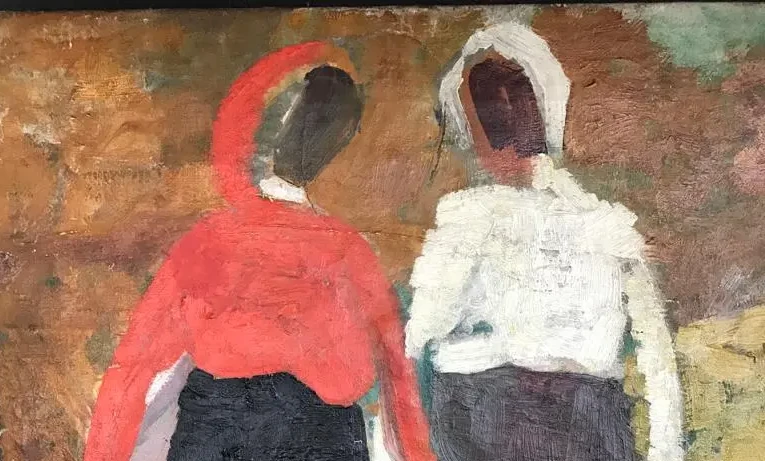
Two Peasant Women- Malevich’s second peasant cycle of the late 1920s
The first owner of this painting was avant-garde artist Alexei Gan, a co-founder of the First Working Group of Constructivists with Alexander Rodchenko and Varvara Stepanova. Gan edited Kino-fot (1922–23) and co-edited Contemporary Architecture (1928), where Malevich also published articles. His partner, Esfir Shub, was a noted documentary filmmaker. Two Peasant Women belongs to Malevich’s second peasant cycle of the late 1920s. This intense painting synthesizes Malevich’s avant-garde activities, drawing from his first peasant cycle of the early 1910s. The imagery aligns with Russian icon painting, with the two women’s postures echoing saints in Orthodox Deësis. Their golden-hued background resembles traditional icon backdrops, with a two-toned pozem effect. The scarves…
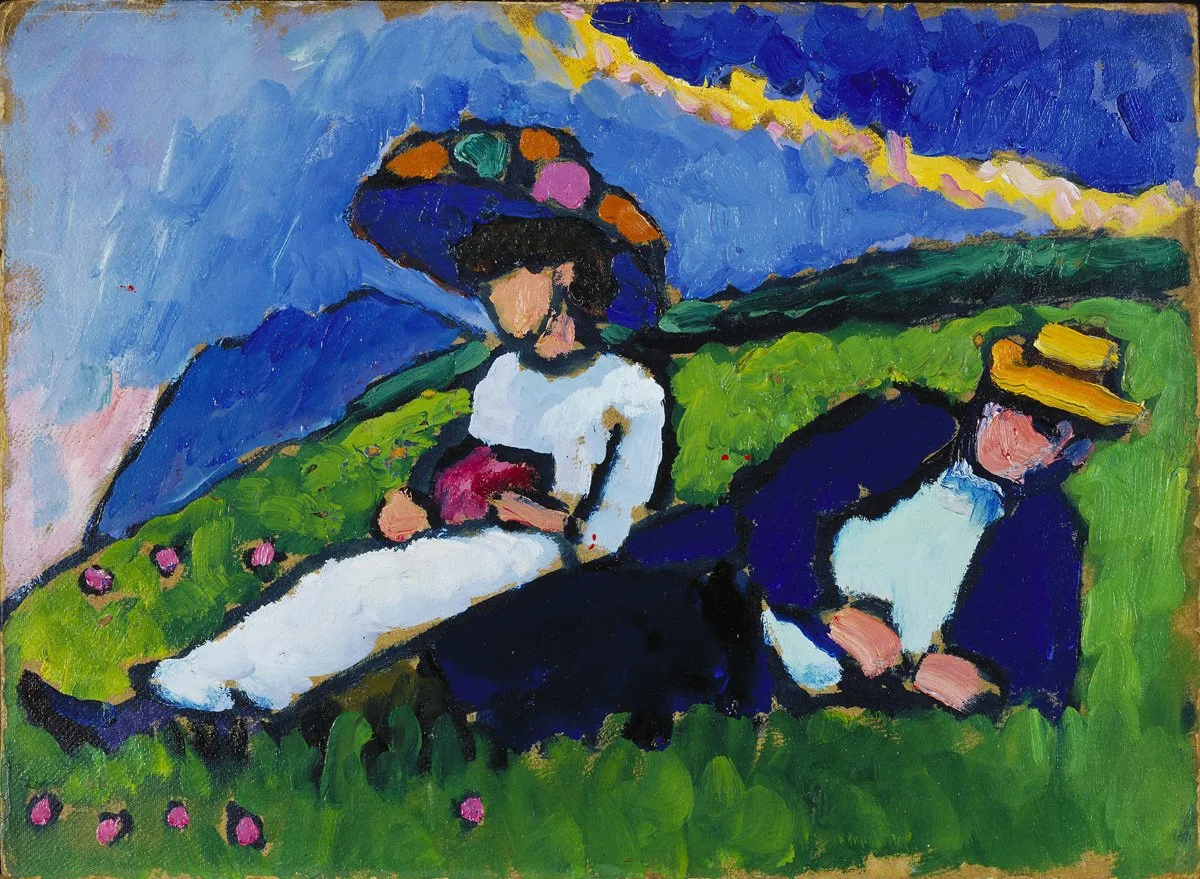
The Unsung Muse: How Gabriele Münter Paved Kandinsky’s Path to Abstraction
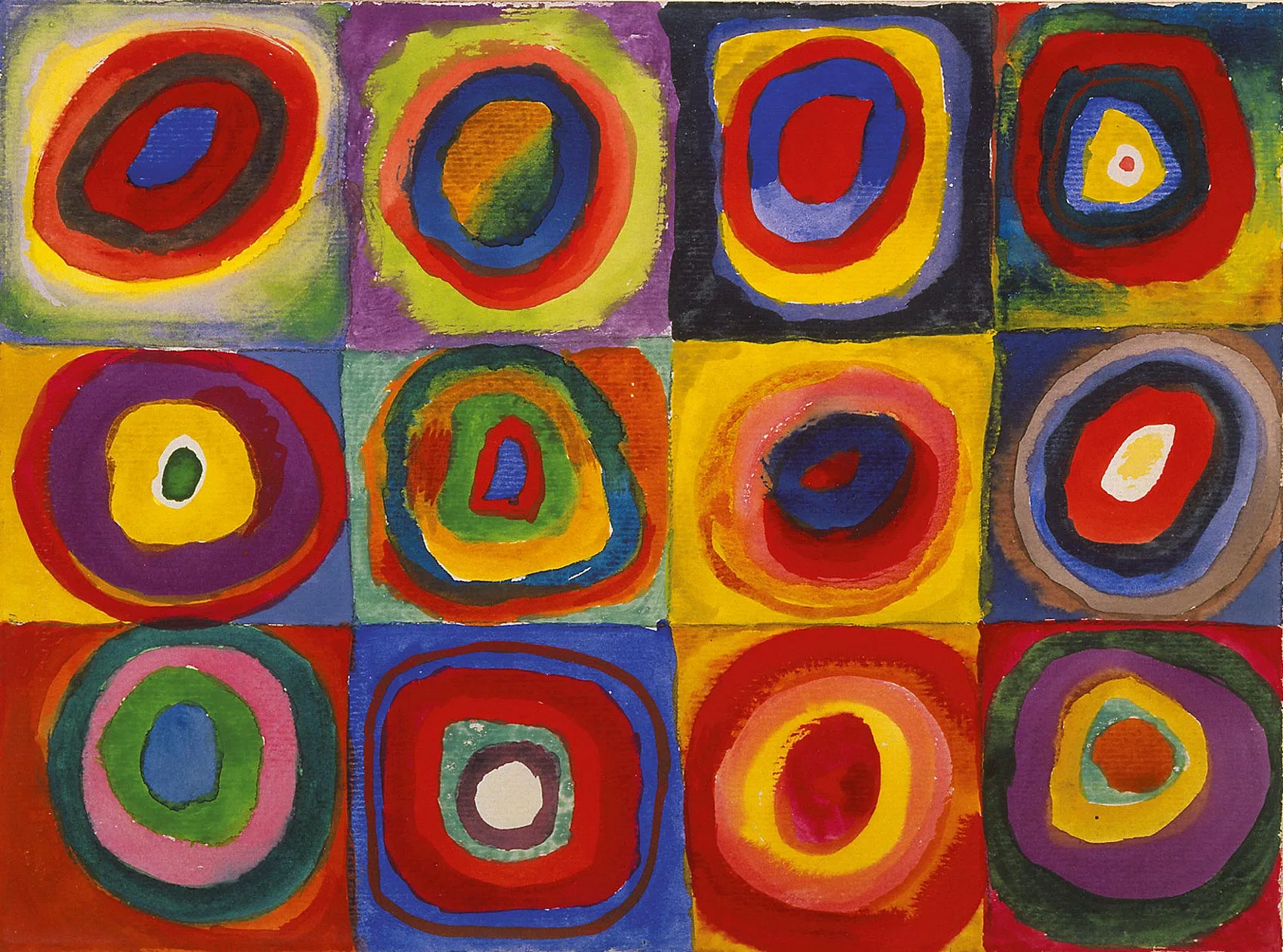
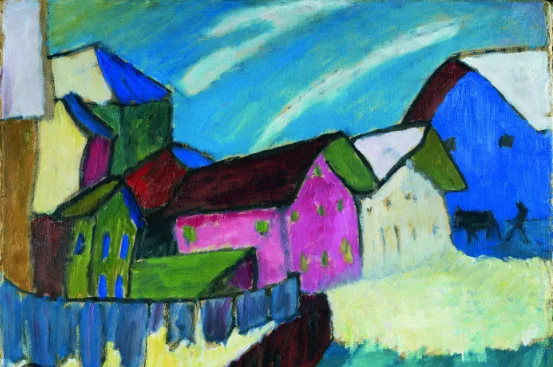
When we think of Wassily Kandinsky, the pioneer of abstract art, we often picture his vibrant compositions of swirling colors and geometric forms. But behind every great artistic revolution, there are often lesser-known figures whose influence is profound. For Kandinsky, one such pivotal force was Gabriele Münter, a brilliant artist in her own right, whose unique vision significantly shaped his journey toward abstraction. Münter and Kandinsky shared a passionate personal and artistic relationship, particularly during their time in Murnau, Bavaria, from 1908 to 1914. It was here, amidst the rustic charm and rich folk traditions, that Münter’s artistic inclinations truly began to leave their mark on Kandinsky. One of Münter’s…
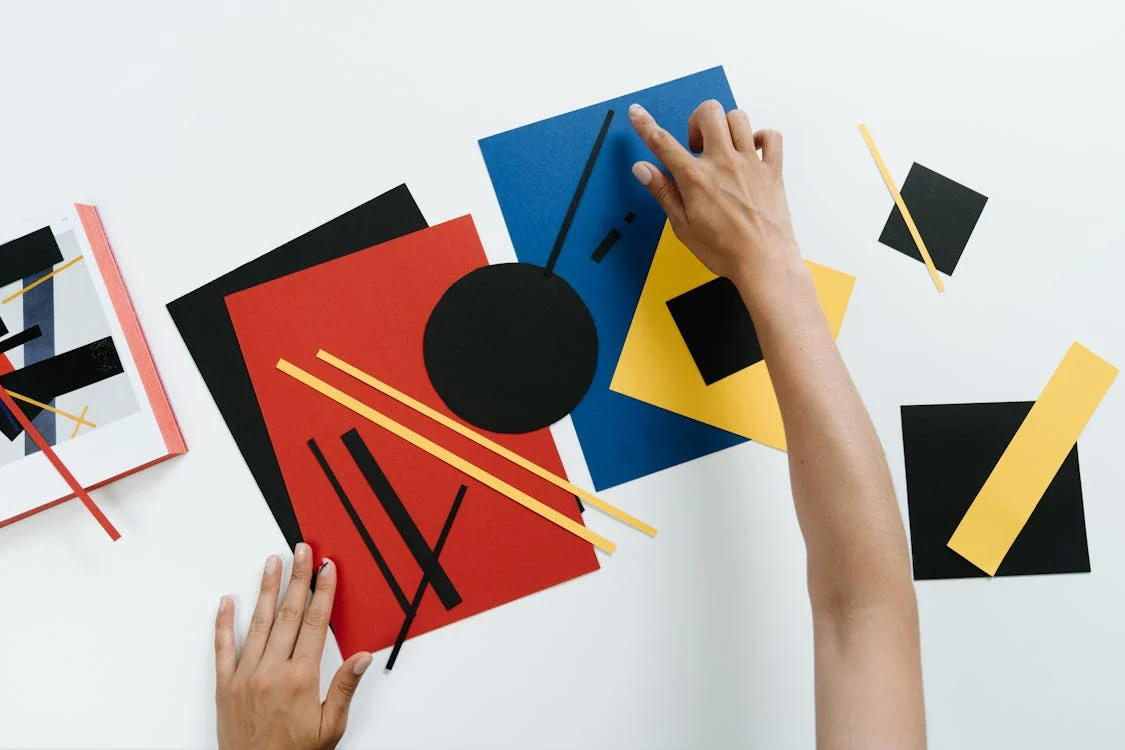
Understanding Suprematism: Malevich’s Radical Vision
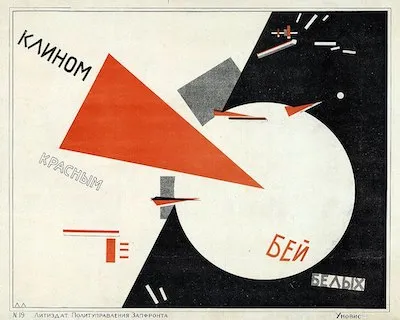
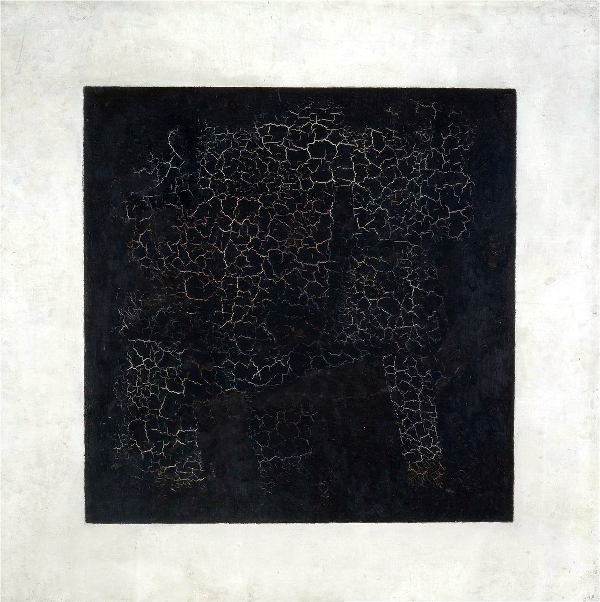
Why a Black Square Changed the Course of Art History In 1915, Kazimir Malevich exhibited a black square on a white canvas and declared: “I have transformed myself in the zero of form.” It was more than provocation — it was the birth of Suprematism, a movement that shattered centuries of representational art and set the stage for abstraction as we know it. What Is Suprematism? Suprematism is not just an aesthetic; it’s a philosophy. Malevich sought to liberate art from the burden of objects, representation, and narrative. His compositions — often made of geometric forms in pure color — were visual meditations on feeling, not function. Why It Mattered…
Refuge in the Art Market 2025
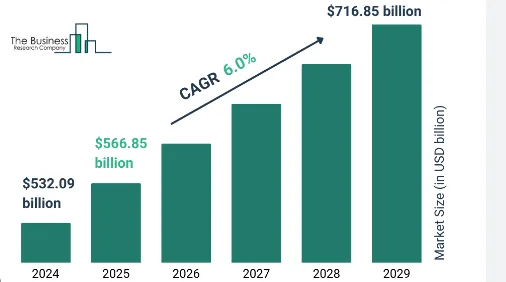
Graph by The Business Research Company The Art Market: A Safe Haven Investment in 2025 The art market is increasingly regarded as a “safe haven” investment, particularly during times of economic uncertainty. This perception is reinforced by the historical resilience of art values against inflation and market volatility. Recent reports highlight that fine art is viewed as a strategic asset for wealth preservation, with 32% of billionaires planning to increase their exposure to fine art and antiques in 2024-2025. The Role of Technology in Art Investments Technology has significantly transformed the art market. Blockchain technology is now widely used for provenance verification and fractional ownership, making high-value art accessible to…
Why are art dealers so suspicious and distrust brokers?
Art dealers may exhibit suspicion and distrust towards brokers for a variety of reasons. It’s important to note that not all art dealers hold these views, and individual experiences and perspectives can vary. However, here are some possible reasons for such skepticism. It’s important to remember that these are general observations, and not all art dealers hold the same views or exhibit the same level of skepticism towards brokers. Some brokers may be direct to the owner/seller of the artwork and not only connected in a “daisy-chain” network to other brokers. Trust and successful collaborations can still exist between dealers and brokers when there is clear communication, shared objectives, and…
Roberto Fabelo – Who is he?
Roberto Fabelo, born on January 28, 1950, in Guáimaro, Cuba, discovered his love for drawing during his childhood in his hometown. He would often sketch on random pieces of paper, and his passion for drawing, which he refers to as “graphomania,” was ignited. Over time, what began as a simple pastime turned into a consuming vice, as Fabelo found solace in letting his imagination flow on paper using various artistic mediums such as pencil, charcoal, and ink. His sketches became a reflection of his creative expression and artistic talent. Who would have thought that Roberto Fabelo became a multi-talented artist who works as a painter, draftsman, and sculptor. He completed…
Wassily Kandinsky – Who was he?
Wassily Kandinsky, a trailblazer in the realm of abstract modern art, crafted paintings that intricately explored the interaction between color and form to evoke emotional responses and captivate audiences. He advocated for complete abstraction as a powerful vehicle for profound expression, steering away from direct depictions of the natural world. Kandinsky’s artistic progression unfolded through three distinct phases, moving from representational works to exuberant compositions and eventually to the creation of geometric and biomorphic flat surfaces adorned with vivid hues. Born in Moscow in 1866, Kandinsky’s formative years were enriched by exposure to diverse cultural influences, which significantly shaped his artistic perspective. His fascination with color and form was deeply…