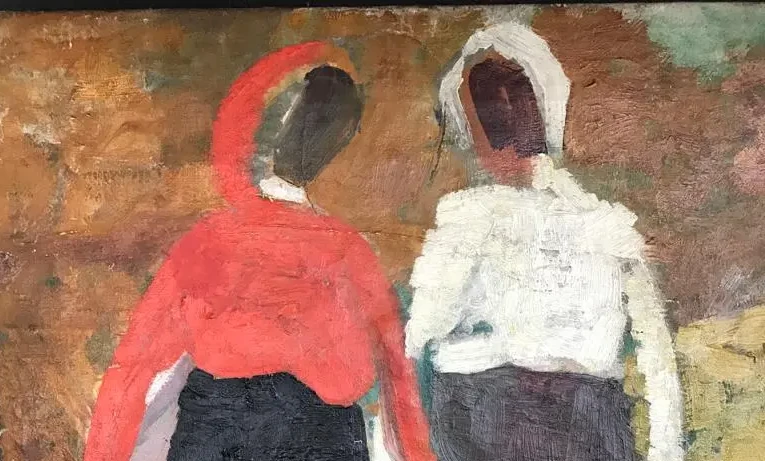
The two peasant women – Kazimir Malevich
The first owner of this painting was avant-garde artist Alexei Gan, a co-founder of the First Working Group of Constructivists with Alexander Rodchenko and Varvara Stepanova. Gan edited Kino-fot (1922–23) and co-edited Contemporary Architecture (1928), where Malevich also published articles. His partner, Esfir Shub, was a noted documentary filmmaker. Two Peasant Women belongs to Malevich’s second peasant cycle of the late 1920s. This intense painting synthesizes Malevich’s avant-garde activities, drawing from his first peasant cycle of the early 1910s. The imagery aligns with Russian icon painting, with the two women’s postures echoing saints in Orthodox Deësis. Their golden-hued background resembles traditional icon backdrops, with a two-toned pozem effect. The scarves…
The Rise of Cuban Art on the Global Market
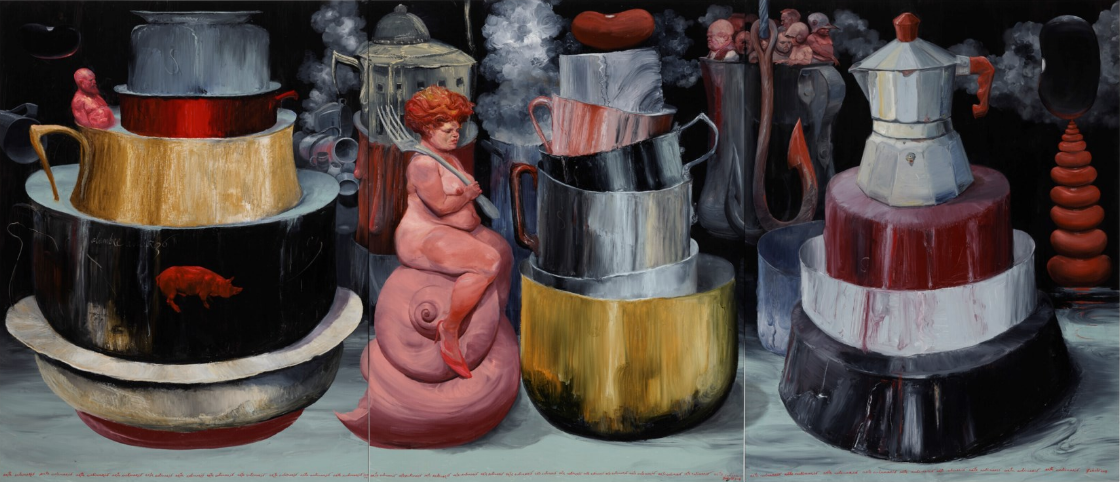
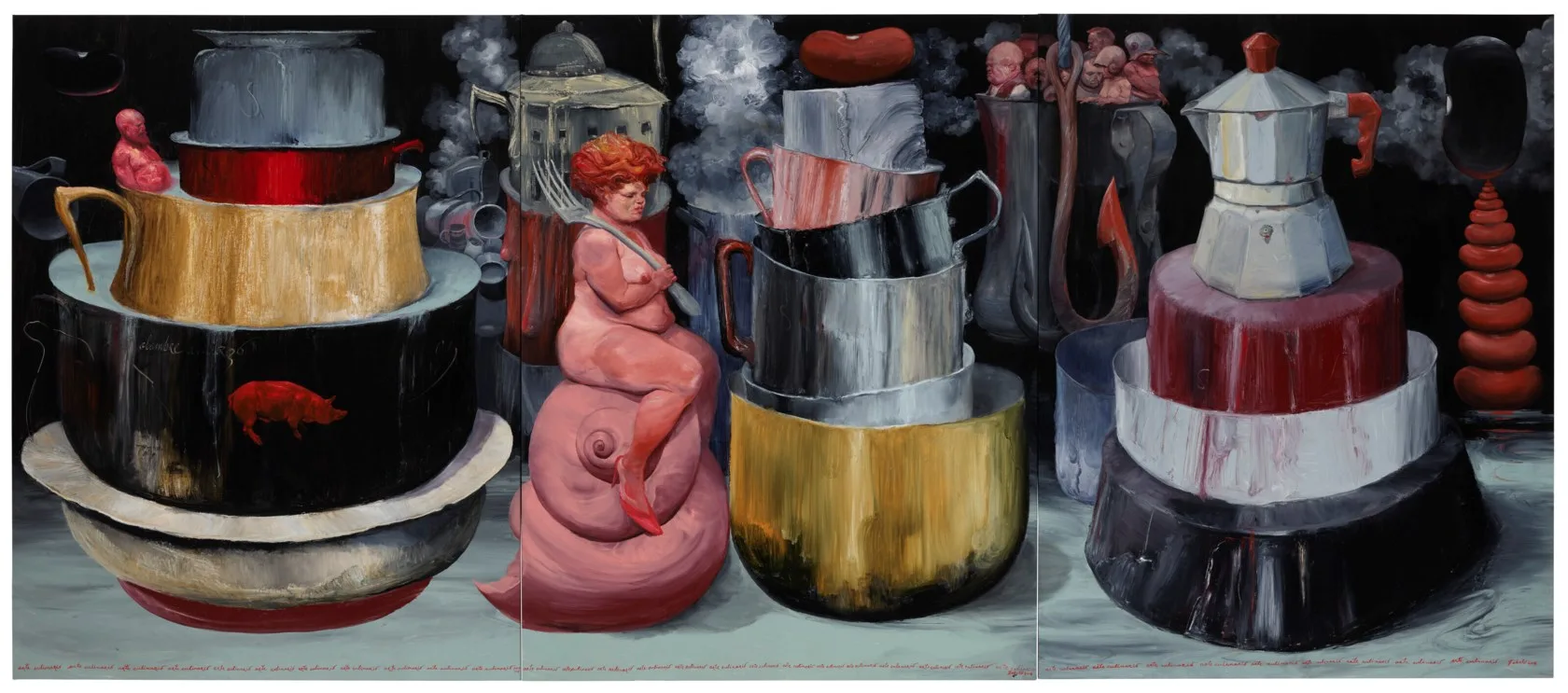
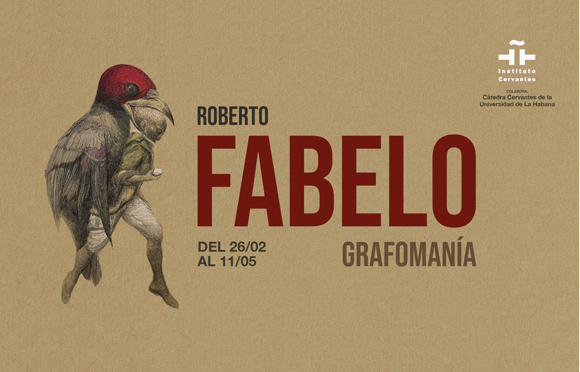
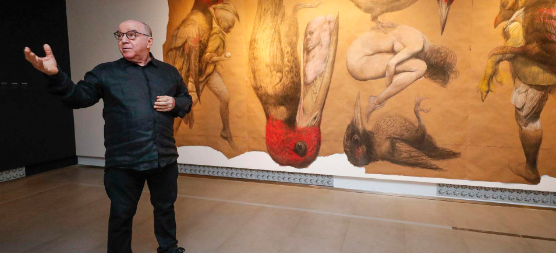
The Value of Cuban Fine Art in 2025: Spotlight on Roberto Fabelo Cuban art has long been celebrated for its rich history and unique blend of cultural influences, but recent years have seen a surge in its global appeal. This growth can be attributed to increased international interest in Cuban culture, improved access to Cuban artists’ works, and the easing of restrictions on trade and travel. Auction houses such as Phillips and Christie’s have played a pivotal role in bringing Cuban art to the forefront of the global market, showcasing both established and emerging artists. Roberto Fabelo, a master of surrealism and storytelling through art, has emerged as one of…
Juan Bravo – creating nebulas, galaxies, and unknown worlds
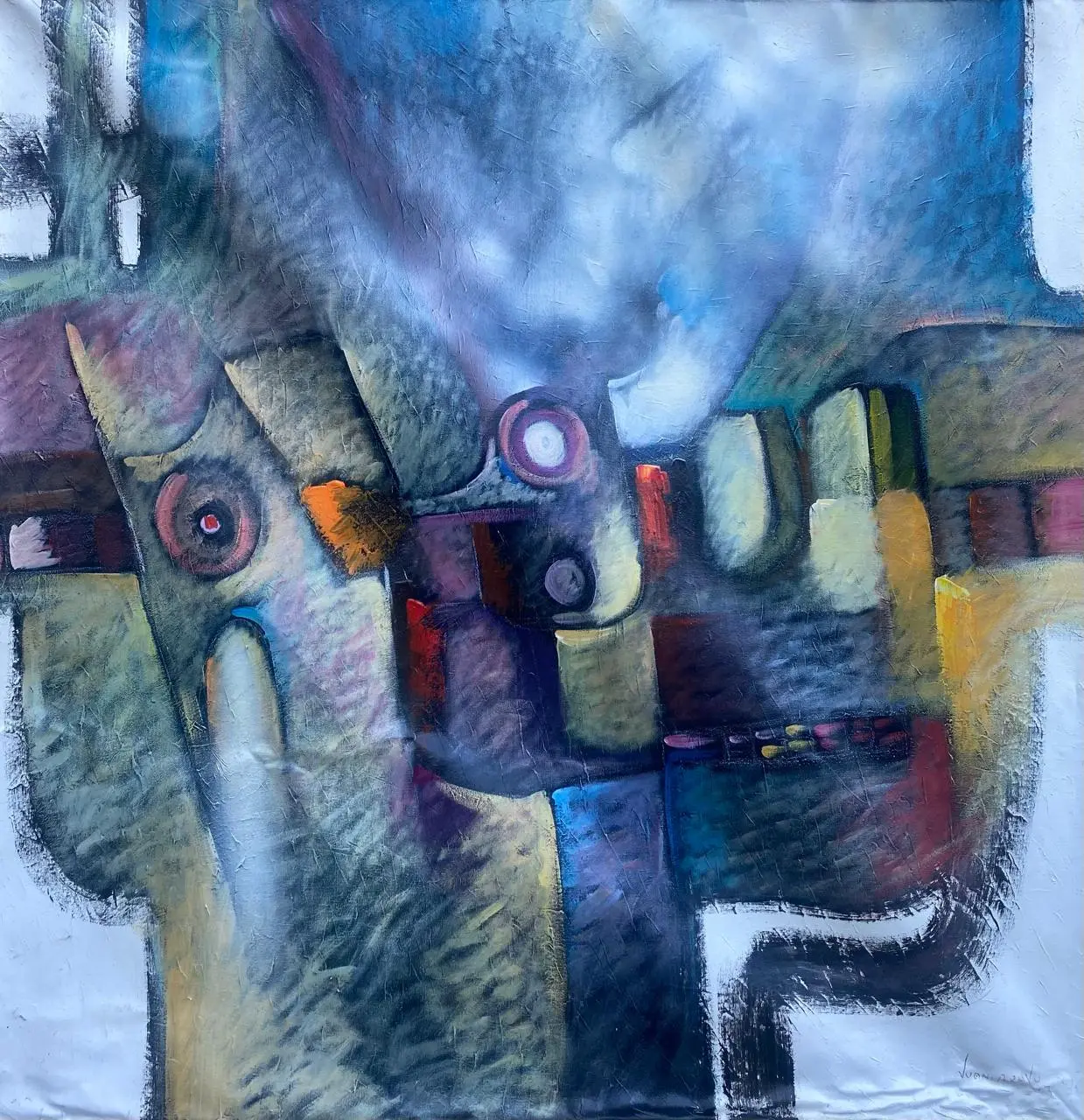
Juan Bravo was born in the Sánchez Ramírez province, Dominican Republic in 1961, emerged much later in the world of art, as he is part of the so-called “Generation of ’80”. As an artist, Juan Bravo prefers large formats to express his artistic concerns as a high-flying artist. He “assumes drawing as his first option in his creative activity,” according to critic Amable López Meléndez. Juan Bravo moves with unprecedented skill in the field of abstractions, creating nebula, galaxies, in short, an unknown world that begins to be created before our eyes in an instant prior to the creation of time itself and space. All that “chaos” that can be…
The Rising Tide of Asian Art: Why It’s Taking the Global Stage by Storm
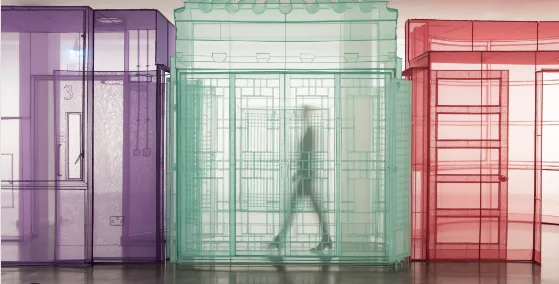
Do Ho Suh opens at the Museum of Contemporary Art Australia as a Sydney exclusive for the Sydney International Art Series 2022-23 Today, we’re diving into a vibrant and dynamic topic that’s been making waves in the art world: the increasing prominence of Asian artists in global auctions and exhibitions. If you’ve been keeping an eye on the scene, you’ve probably noticed that Asian art is more than just a trend—it’s a powerful force shaping the international art landscape. So, let’s explore why this is happening and what it means for the future of art. A Rich Cultural Heritage First things first, Asian art is rooted in a rich, diverse, and ancient cultural…
How to Read the Secondary Art Market Without Getting Burned
A Short Collector’s Guide to Provenance, Price, and Pitfalls The secondary art market can feel like a labyrinth. For the seasoned collector, it’s a landscape rich with opportunity — and risk. Unlike buying directly from an artist or gallery, purchasing from the secondary market involves additional layers: historical value, legal clarity, and market psychology. Start with Provenance, Not Price A competitive price tag is meaningless without clear provenance. Can the seller trace ownership back to the artist or a credible dealer? Are exhibition records, publications, or previous auctions properly documented? These are not extras — they are non-negotiables. Rarity ≠ Quality A work might be rare because no one wanted…
Kazimir Malevich’s Nationality
Kazimir Malevich’s nationality is a subject of ongoing debate, reflecting the complex historical context of his birthplace and the cultural influences he experienced. Here’s a breakdown of his background and how it might have influenced his work: Background and Nationality Influence on His Works Malevich’s cultural background and the geopolitical context of his time likely influenced his artistic philosophy and style, though not directly in terms of national themes. His work is more about abstract concepts than specific cultural or national motifs. In summary, while Malevich’s nationality is complex and debated, his artistic contributions were more about pioneering abstract art movements than reflecting specific national identities. His work remains a…
The Rise of Latin American Surrealism: Fabelo and Beyond
From Magical Realism to the Metaphysical Menagerie Latin American Surrealism didn’t merely echo European avant-garde currents — it reimagined them through a continent’s complex history of myth, colonialism, and revolution. While figures like Frida Kahlo and Wifredo Lam brought global attention, today’s torchbearers, such as Roberto Fabelo, have expanded the visual lexicon with fierce imagination and biting cultural insight. Fabelo’s World: Elegant, Grotesque, and Absolutely Human Fabelo doesn’t illustrate dreams — he stages them. In El viaje fantástico, his bronze creatures walk the knife-edge between nightmare and poetry. Hybrid figures, animals with too much knowledge in their eyes, sensuality tangled with satire: this is Surrealism that bites, whispers, and seduces.…
Kandinsky Before Abstraction: The Rider and the Landscape
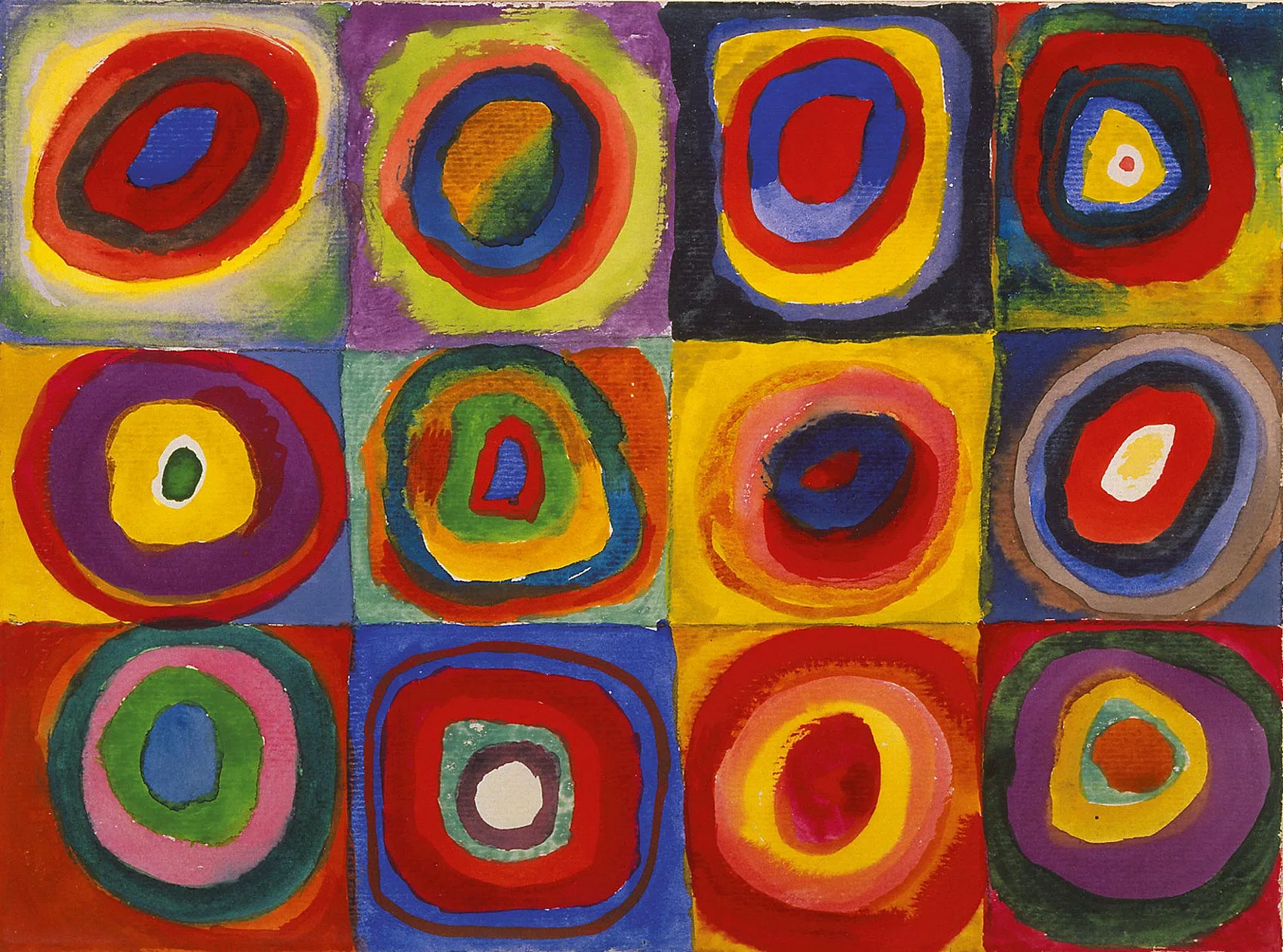
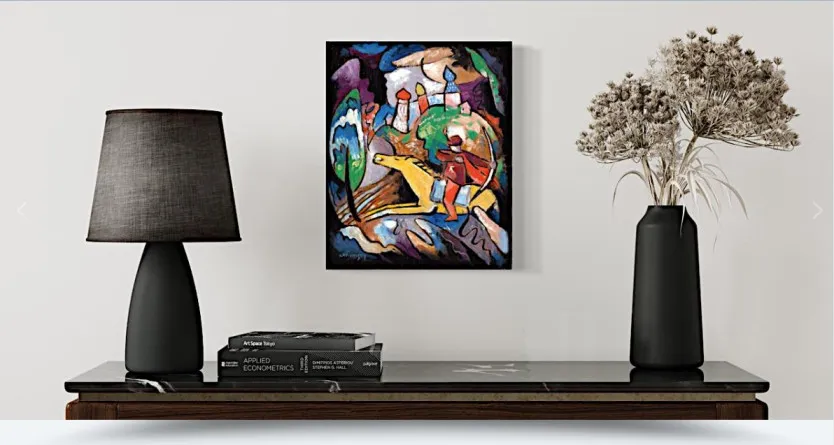
Tracing the Path to a Visual Language of the Soul Before Wassily Kandinsky stripped away the figure, before the symphonies of line and color, there was a rider — mid-gallop, merging with the landscape. Painted in 1909, Picture with a Riding Archer and Landscape is not yet abstract, but abstraction is already whispering through its brushwork. Why the Rider Matters Kandinsky saw music in color and spirituality in shape. In this painting, we witness the transitional moment: figuration dissolving into movement. The rider doesn’t dominate the scene — he becomes it. Forms blur, outlines soften, emotion overtakes narrative. A Glimpse into the Turning Point This work is critical for collectors…
Principles of Kazimir Malevich’s Suprematism Philosophy
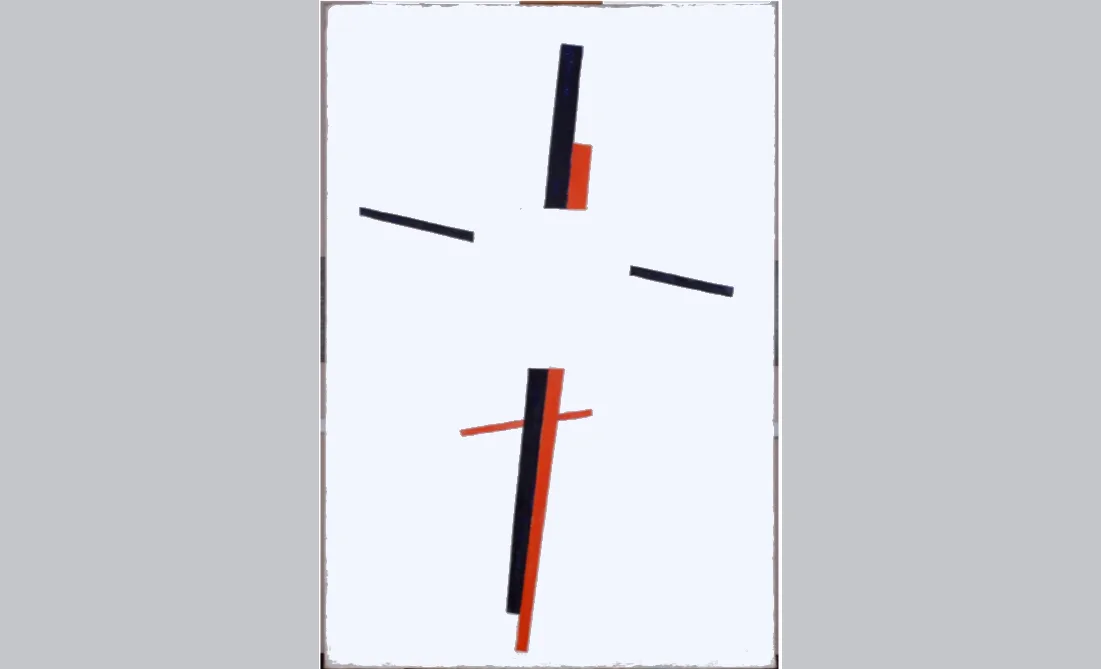
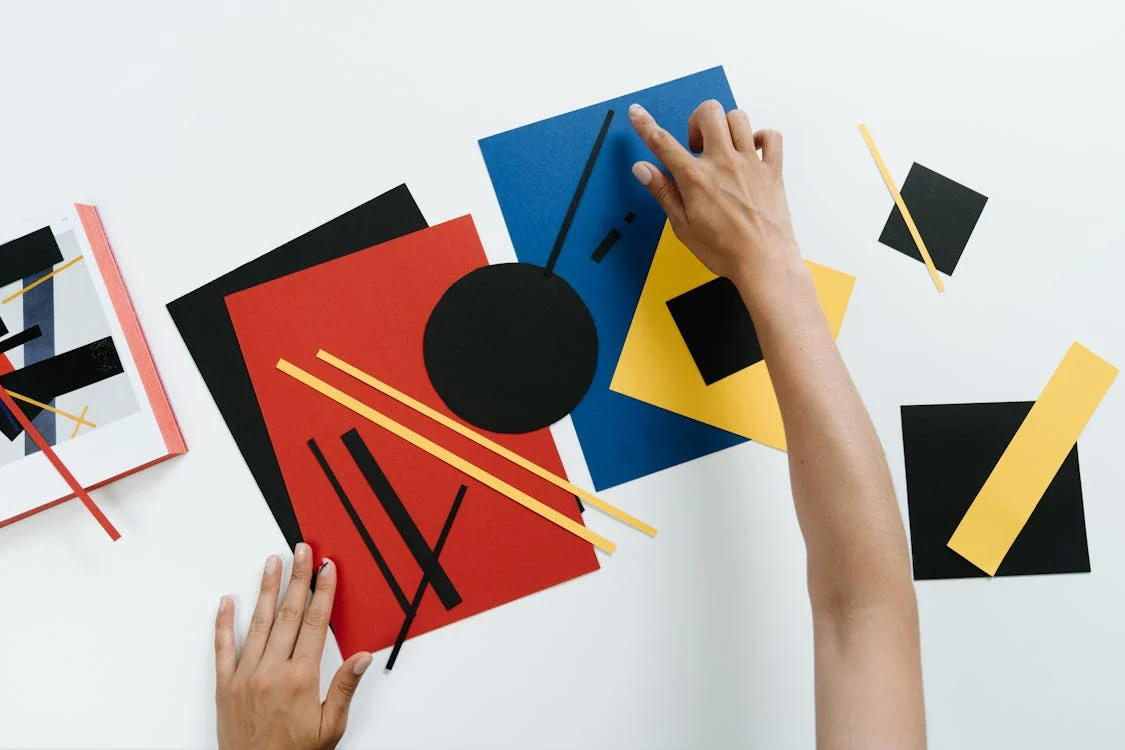
Suprematist art, specially drawn in out-of-proportion size with the art concept, was a small standing mirror in which the materialistic men of a materialistic century could look at themselves…Suprematism presented to the Russian people the greatest aspects of non-objectivity in art and by so doing, open the way to a deeper understanding of art. Malevich was an intelligent in his stratagems for appealing to the plain sense of his utilitarian countrymen while not compromising his art doctrine. Step by step throughout its development, he would present the squares and circles as inventions to aid the peasant in life and in the end, it would seem seekers for eternal life. It…
Understanding Suprematism: Malevich’s Radical Vision
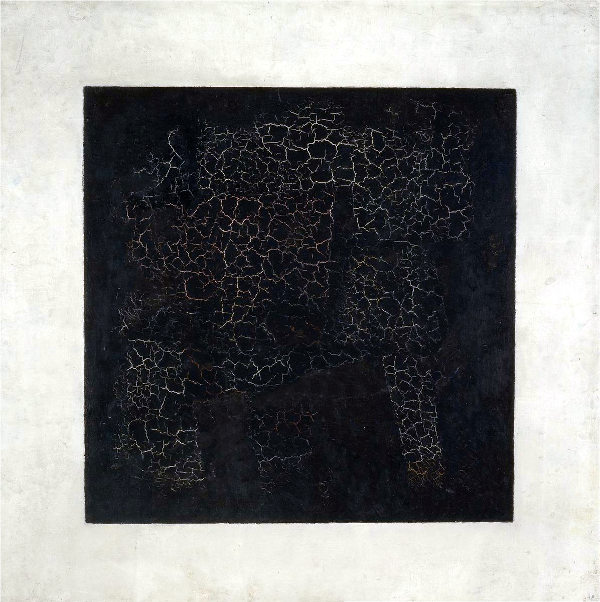
A short analysis: Why a Black Square Changed the Course of Art History In 1915, Kazimir Malevich exhibited a black square on a white canvas and declared: “I have transformed myself in the zero of form.” It was more than provocation — it was the birth of Suprematism, a movement that shattered centuries of representational art and set the stage for abstraction as we know it. What Is Suprematism? Suprematism is not just an aesthetic; it’s a philosophy. Malevich sought to liberate art from the burden of objects, representation, and narrative. His compositions — often made of geometric forms in pure color — were visual meditations on feeling, not function.…