How to Verify the Provenance of Russian Art
Due Diligence in a Market Rich with History—and Complexity The Russian art market is one of the most intriguing—and most carefully scrutinized—in the world. With masterpieces from artists like Malevich, Kandinsky, and Kljun commanding millions, provenance is not just a formality: it’s a necessity. So, how do seasoned collectors verify that a work is the real thing? 1. Start with Documentation, Not Assumptions A serious seller provides a chain of ownership. This includes previous auction records, gallery sales, exhibition catalogs, and references in scholarly publications. If the paperwork starts after 1990, be cautious—many fakes emerged during the Soviet art “rediscovery” wave. 2. Check for Expert Attributions and Catalogues Raisonnés Reputable…
What Makes a Painting Valuable to Collectors?
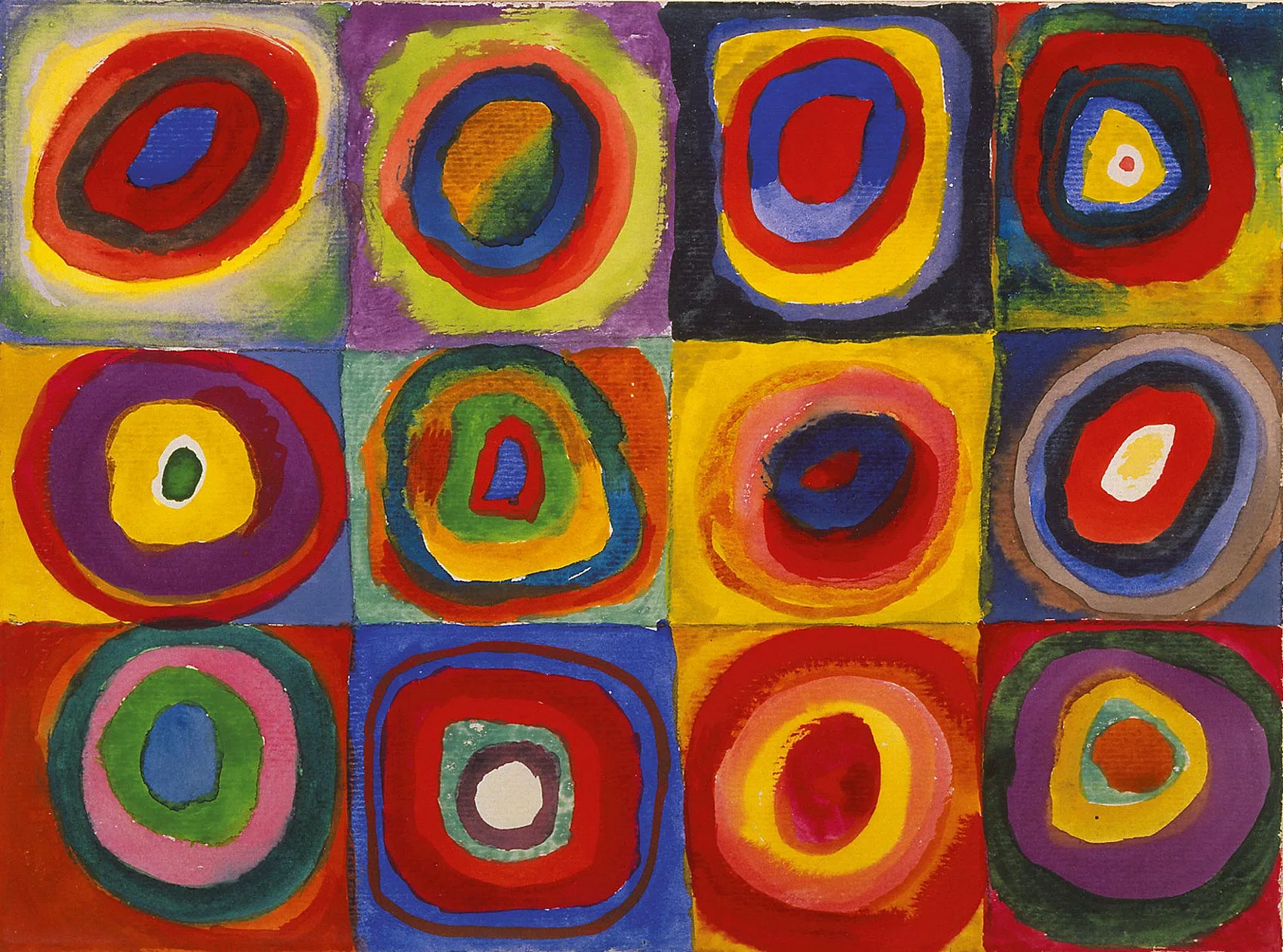
Understanding Rarity, Provenance, and Artistic Significance In the art world, value is rarely accidental. A painting’s worth emerges from a layered interplay of history, context, and perception — not just aesthetics. While taste is subjective, collectors who move with confidence typically understand five key drivers of value: 1. Artistic Significance Value begins with impact. Did the artist shift a movement, challenge convention, or redefine form? Consider Kandinsky’s early abstractions or Malevich’s Suprematist compositions — these works didn’t just reflect art history, they shaped it. 2. Rarity and Scarcity Scarcity enhances allure. Whether it’s a unique work or part of a limited series, the fewer there are, the more intense the…
The Jewish School of Paris: A Legacy of Artistic Innovation
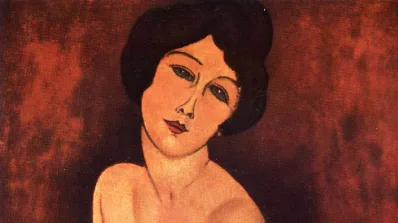
The Jewish School of Paris, often referred to as part of the broader École de Paris, represents a vibrant chapter in the history of modern art. This group of artists, predominantly Jewish and of Eastern European origin, converged in Paris during the early 20th century, transforming the city into a global art hub. Their contributions not only enriched French art but also left an indelible mark on the development of Israeli art. Historical Context In the early 20th century, Paris became a magnet for artists from around the world, including many Jewish artists fleeing persecution in Eastern Europe. The term École de Paris was coined by André Warnod in 1925 to describe this…
Russian Avant-Garde
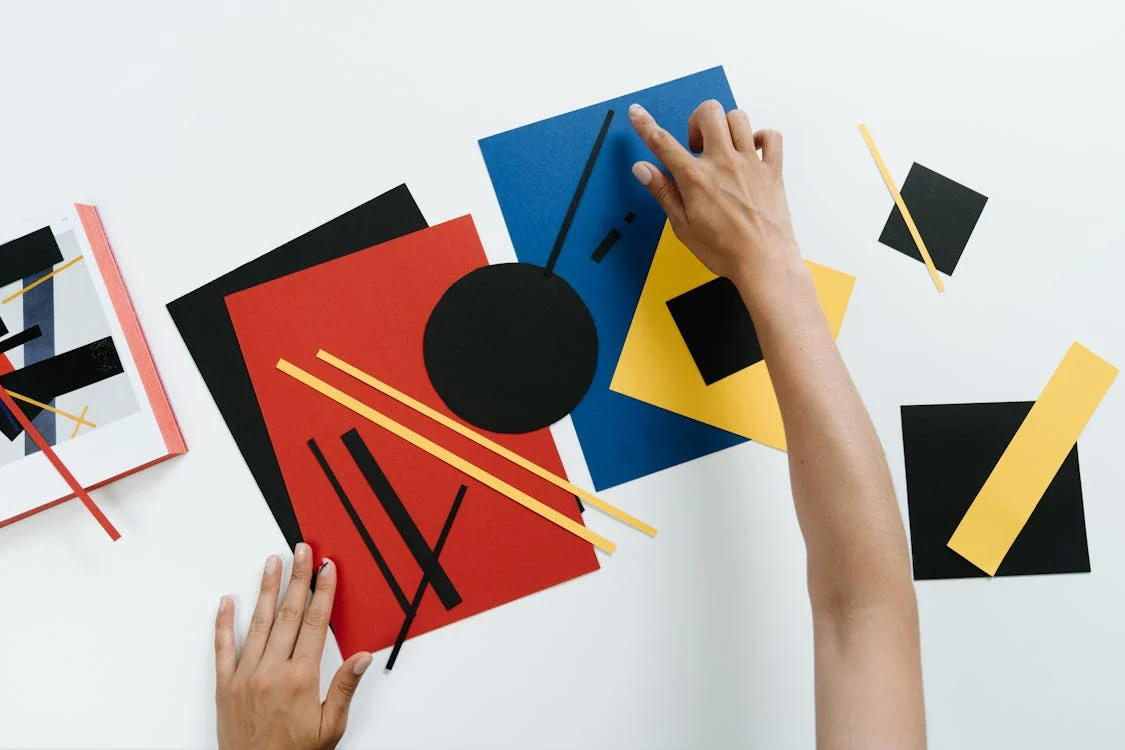
Exploring the Russian Avant-Garde: A Revolution in Art and Culture The Russian Avant-Garde was a groundbreaking movement that emerged in the early 20th century, roughly between 1890 and 1930. It encompassed a diverse array of artistic expressions, including painting, sculpture, literature, theater, and architecture. This vibrant period was marked by radical experimentation and a desire to break away from traditional forms, reflecting the turbulent social and political changes in Russia at the time. Origins and InfluencesThe movement drew inspiration from various sources, including Cubism, Futurism, and Expressionism in Western Europe. Russian artists sought to create a new visual language that would resonate with the revolutionary spirit sweeping across the country.…
Andrianov, Piotr
Piotr Nikolaevich Andrianov 1916-1995 Piotr Nikolaevich Andrianov is an outstanding example of the best type of Soviet Era painting. He was born in Moscow in 1916 to the family of a workman. He finished elementary school and went to vocational college at an engine factory where he later became an engine repairman. His family of six depended on young Piotr and his father to be the breadwinners. But Piotr was eager to draw and began attending painting courses in the evenings. Once his tutor visited Piotr’s mother and told her that her son was a gifted painter and his talent needed to be nurtured. He advised her to let him…
Maevsky, Dimitry
Dmitry Ivanovich Maevskywas born May 17, 1917 in Petrograd (Saint Petersburg; Leningrad), Russia. From 1937-1939 Mr. Maevsky studied at the Repin Institute of Arts. He enrolled in the art workshop and studio headed by the famous Isaak Brodsky. Under Brodsky’s tutelage, he learned painting in the very best naturalistic tradition of Russian Landscape, inspired particularly by Isaac Levitan and other Masters of the late nineteenth century Russian School. Mr. Brodsky’s other notable pupils included Nikolai Timkov, Alexander Laktionov, Yuri Neprintsev, Piotr Belousov, Piotr Vasiliev, Mikhail Kozell and others. Mr. Maevsky’s extensive art education also included studying in the art workshops and studios of Piotr Buchkin, regarded as one of the…
Chekalov, Vladimir Fedorovich
Vladimir F. Chekalovwas one of the greatest Master Portrait Artists to emerge from the Soviet Era. He captured body language and expression, stopping moments in time. At first glance, viewer connects with subject in various settings: Fishing on the banks of a river; farmers harvesting fields of hay; student and teacher painting en Plein Air; soldiers, and villagers going about their daily activities. Vladimir Chekalov of the 3rd Ukrainian Front created battle scenes, portraits and landscapes that have made their way into art museums and private collections in Russia, United States, England and throughout the world. He is published in various books and catalogues. Chekalov was born July 6, 1922…
Kossenkov, Vassiliy Petrovich
Vassiliy Petrovich Kossenkov takes his place among other renowned Soviet landscape painters such as Efrem I. Zverkov, Nikolai Efimovich Timkov, Vladimir Y. Yukin, and Vladimir Fedorovich Tokarev. These masters are brought together by openness, simplicity and delicacy. The emotional intensity of their paintings is rooted in their tender allegiance to their native land. Kossenkov was born in 1919 in the Smolenski Russian Region, or “Smolenshchina.” His father, who was a master carpenter and well-educated man, taught Kossenkov from childhood a great appreciation for art and beauty. He remained close to nature throughout his life, and traveled extensively throughout Russia, painting on location in all seasons and weather conditions. In 1937…
Semionov, Arseny Nikiforovich
ALEKSANDR MIKHAILOVICH SEMIONOVwas born February 18, 1922 in Torzhok. In 1940 Mr. Aleksandr Semionov graduated from the Tavricheskaya Street Art school in Leningrad. Since 1954 he participated in art exhibitions. Aleksandr Semionov became a member on the LCRAU in 1957. His paintings include landscapes, still life, views of Leningrad and ancient Russian towns. Personal exhibitions in Leningrad in 1987. Paintings by Aleksandr Semionov are in art museums and private collections in Russia and throughout the world. We have several pieces available, a good sampling. Explore artist stories, Russian avant-garde movements, and practical tips for navigating the fine art market—insightful reads for collectors and connoisseurs.
Tkachev, Mikhail Evdokimovich
Mikhail Evdokimovich Tkachevwas born in 1912 in a small town, Kalach, situated deep inside Russia. Ninety years ago Kalach was not even a town – just a beautiful Cossack village on the black soil not far from Voronezh. In spring the town is pink and white with blooming orchards. In summer it looks white as it is so hot at noon that you can hardly see other colors. There is a white-painted hut with blue shutters in Kalach. During the years of the revolution the house accommodated the staff of Budionny, who was one of the main heroes of the Civil War. In this house M. Tkachev spent his childhood…