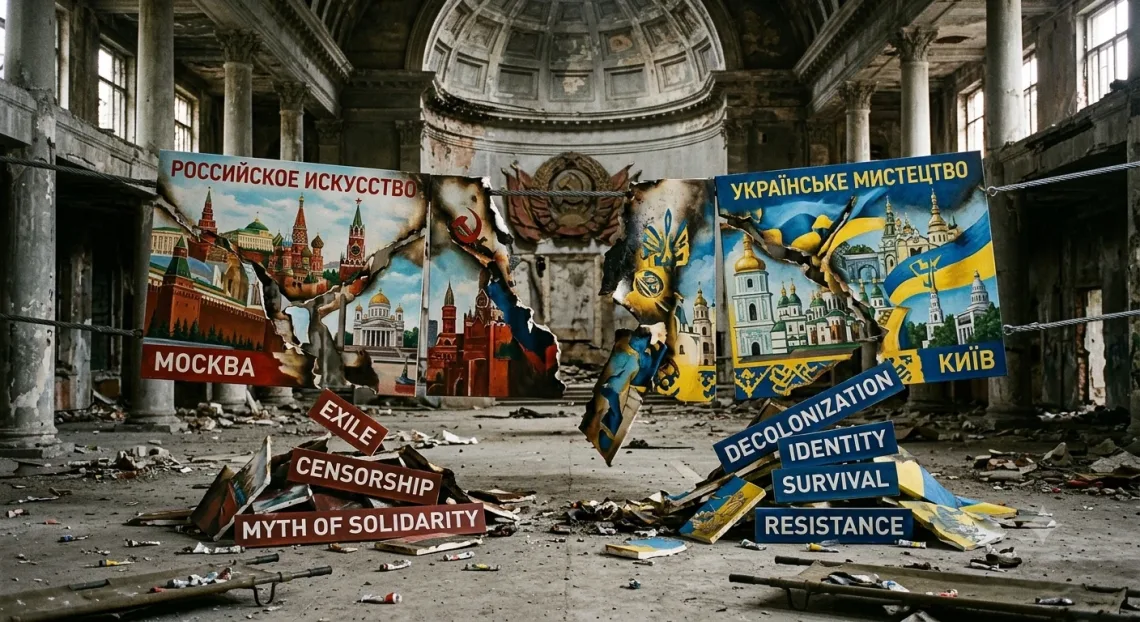
Shattered Canvases: The Brutal Divorce of Russian & Ukrainian Art
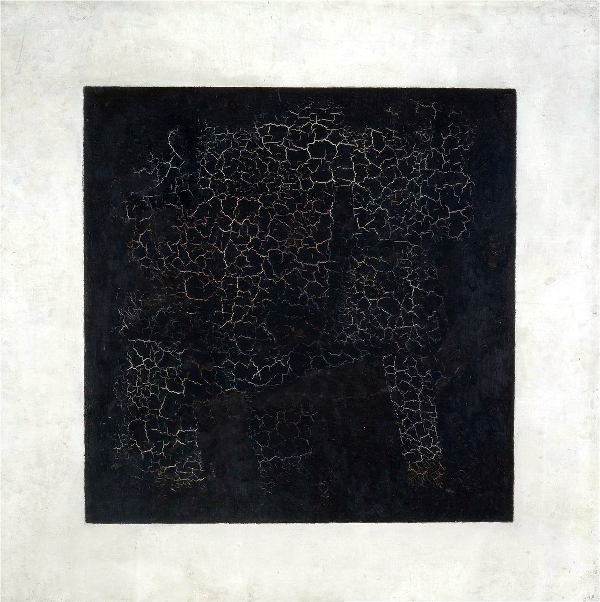
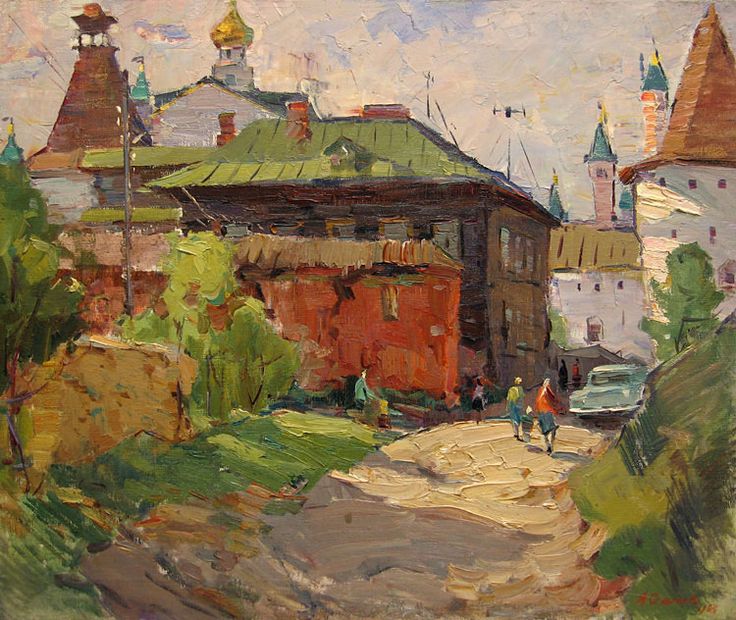
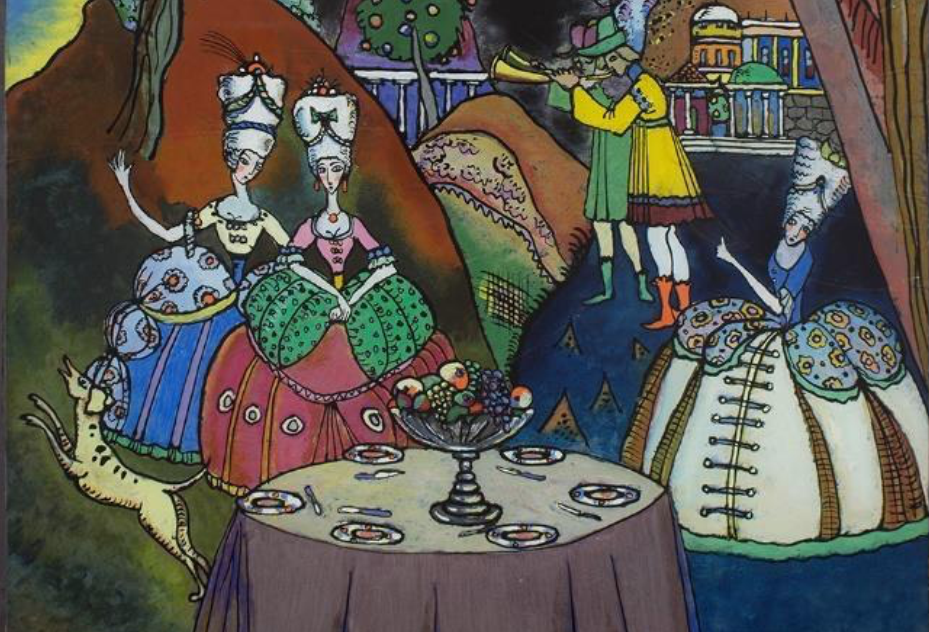
For decades, the art worlds of Moscow and Kyiv operated like estranged siblings who shared an apartment building but kept separate keys. They went to the same academies, studied the same avant-garde giants, and shared an uneasy geographical intimacy that dates back centuries through Soviet and imperial eras. Kazimir Malevich—born in Kyiv to Polish parents, but globally canonized as a titan of the Russian avant-garde—is the perfect symbol of this historical blur. For a long time, the Western art market didn’t care enough to untangle the knots. Anything coming out of the post-Soviet space was lazily swept into a single, lucrative bucket labeled “Russian culture.” Then came February 2022, and…
War Hits Global Art Market Hard
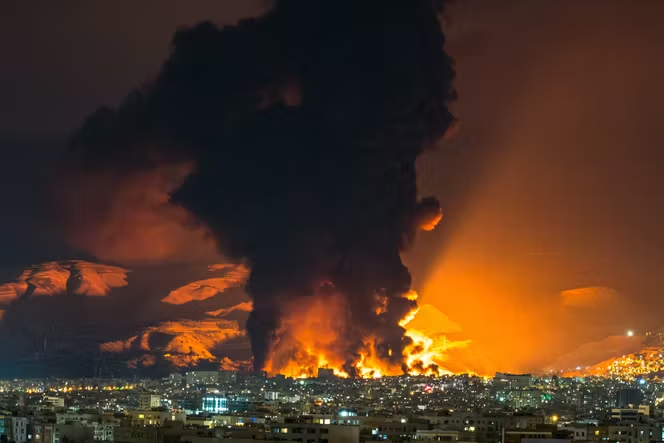
The Iran-US-Israel war started in late February 2026. It now shakes the global art market. As an art consultant at AmbarAzul, LLC, I see real pain. Galleries close. Artworks face danger. Collectors pull back. Let’s break it down step by step.[1][8] Iran’s Art Scene Stalls Tehran galleries shut fast. Safety fears grow. Artists stop work. They fear blasts and blackouts. For example, morale drops low. Inflation soars too. The Rial crashes hard. People buy less art now. Local sales halt completely.[9][Artnet] Moreover, sanctions block exports. War makes it worse. Shipments stop cold. Artists dream of global shows. Yet doors stay closed. Tehran feels quiet. Once-busy streets empty out. Heritage Sites…